Top 10 Tourist Destinations in Korea for 2025
- Place
- Gyeongju Hwanglidangil
- Region
- Gyeongju-si, Gyeongsangbuk-do
- Address
- 경상북도 경주시 황남동 포석로 일대
- Original source
- blog.naver.com



The Ministry of Culture, Sports and Tourism and the Korea Tourism Organization have unveiled the Top 10 Stars of Korean Tourism for 2025, highlighting destinations that reflect Korea’s evolving travel trends.
This year’s selection focuses on places that blend nature, culture, art, healing, and innovative tourism models, offering experiences beyond well-known landmarks.
From emotional alleyways to eco-friendly islands and inclusive travel routes, these destinations represent the future direction of domestic travel in Korea.
Tourist Destination of the Year – Gyeongju Hwanglidangil
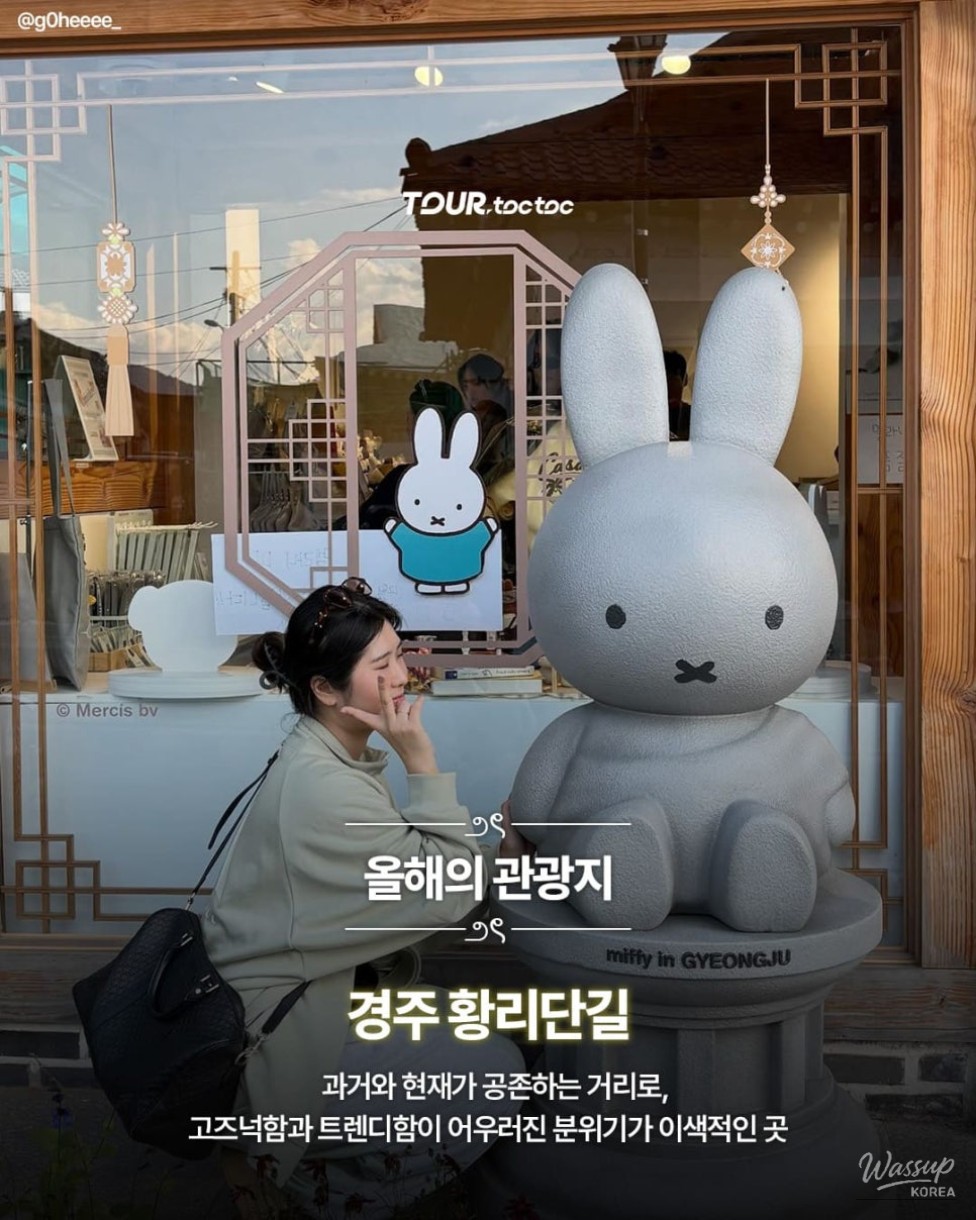
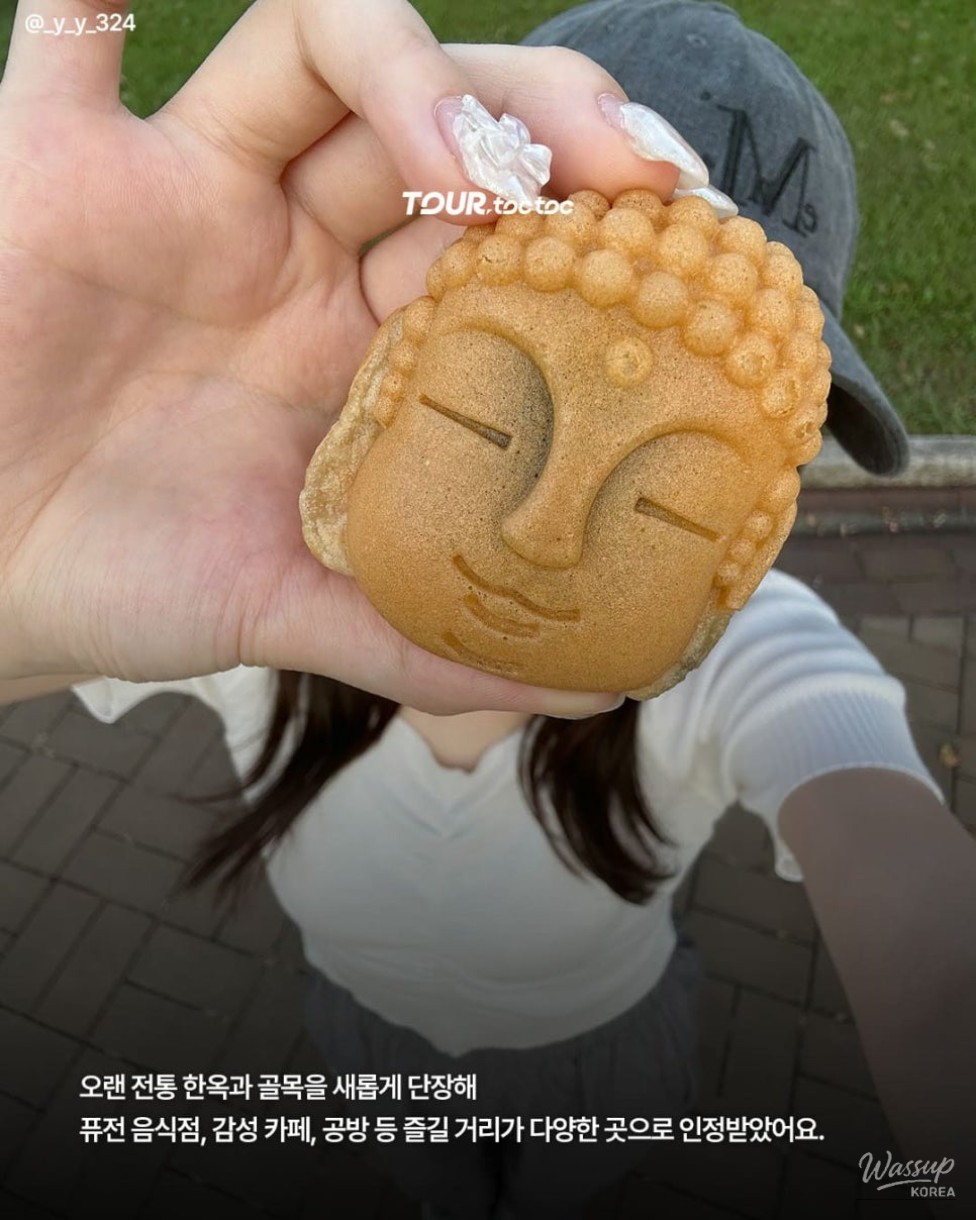
Hwanglidangil in Gyeongju is where traditional hanok architecture meets youthful creativity. Old alleyways have transformed into emotional cafés, restaurants, and workshops.
Surrounded by ancient tombs in the city center, the area offers a unique atmosphere that feels both historical and vibrant, especially during evening walks.
Promising Tourist Destination – Daegu Sayuwon
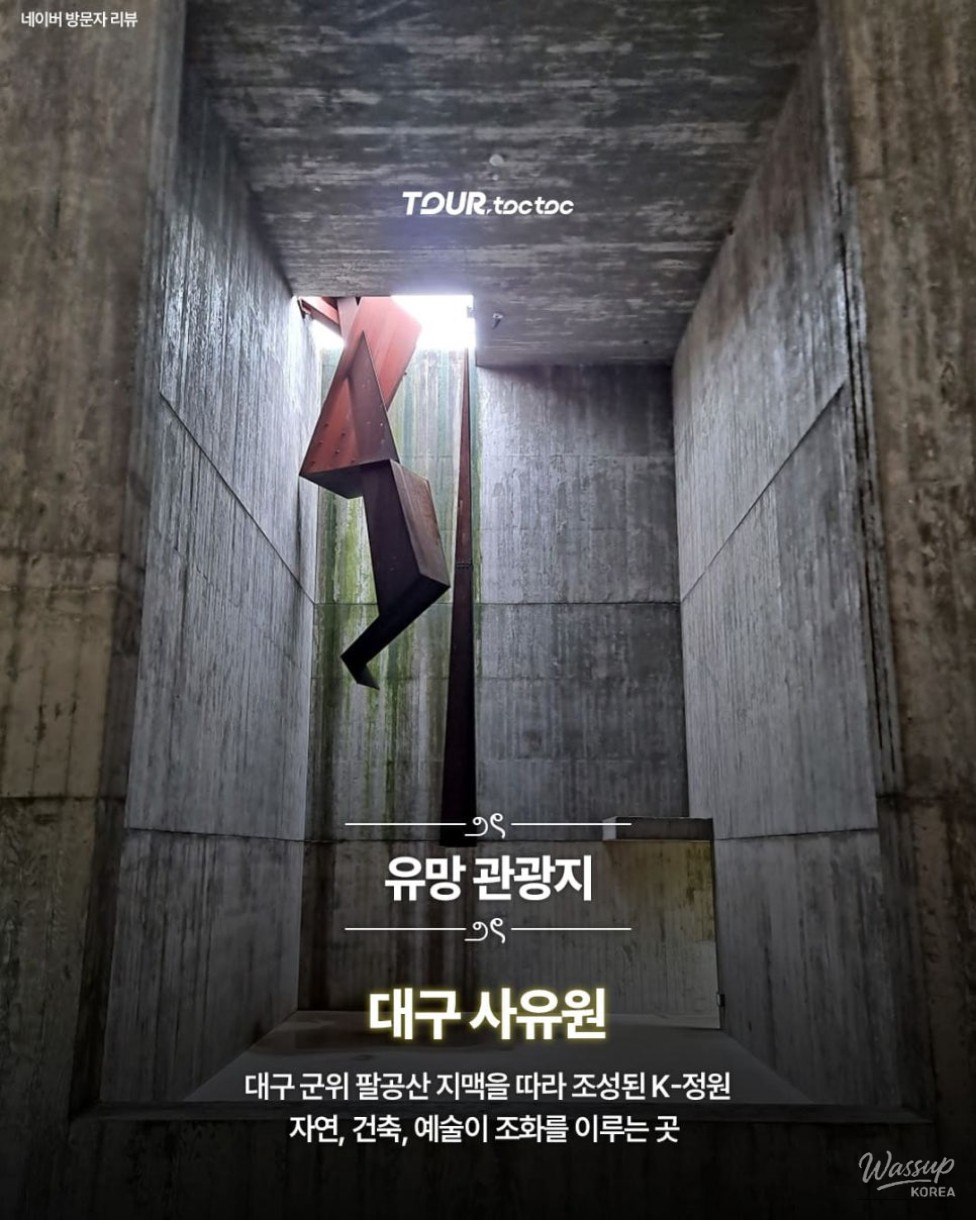
Sayuwon, located along the Palgong Mountain range, is recognized as a representative K-Garden showcasing harmony between architecture, landscape, and contemplation.
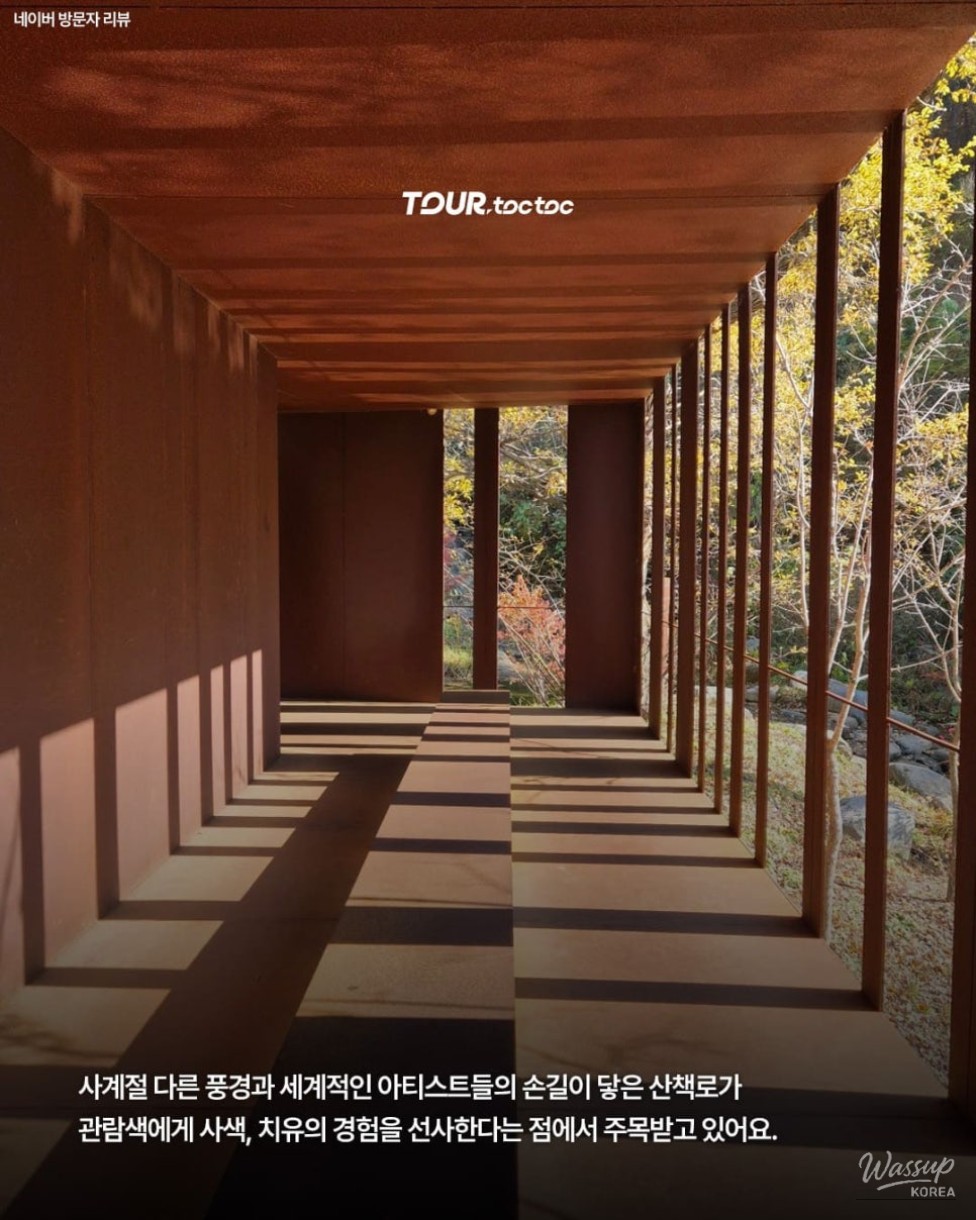
Walking paths designed by world-renowned architects reveal different seasonal views, while art installations invite moments of quiet reflection and healing.
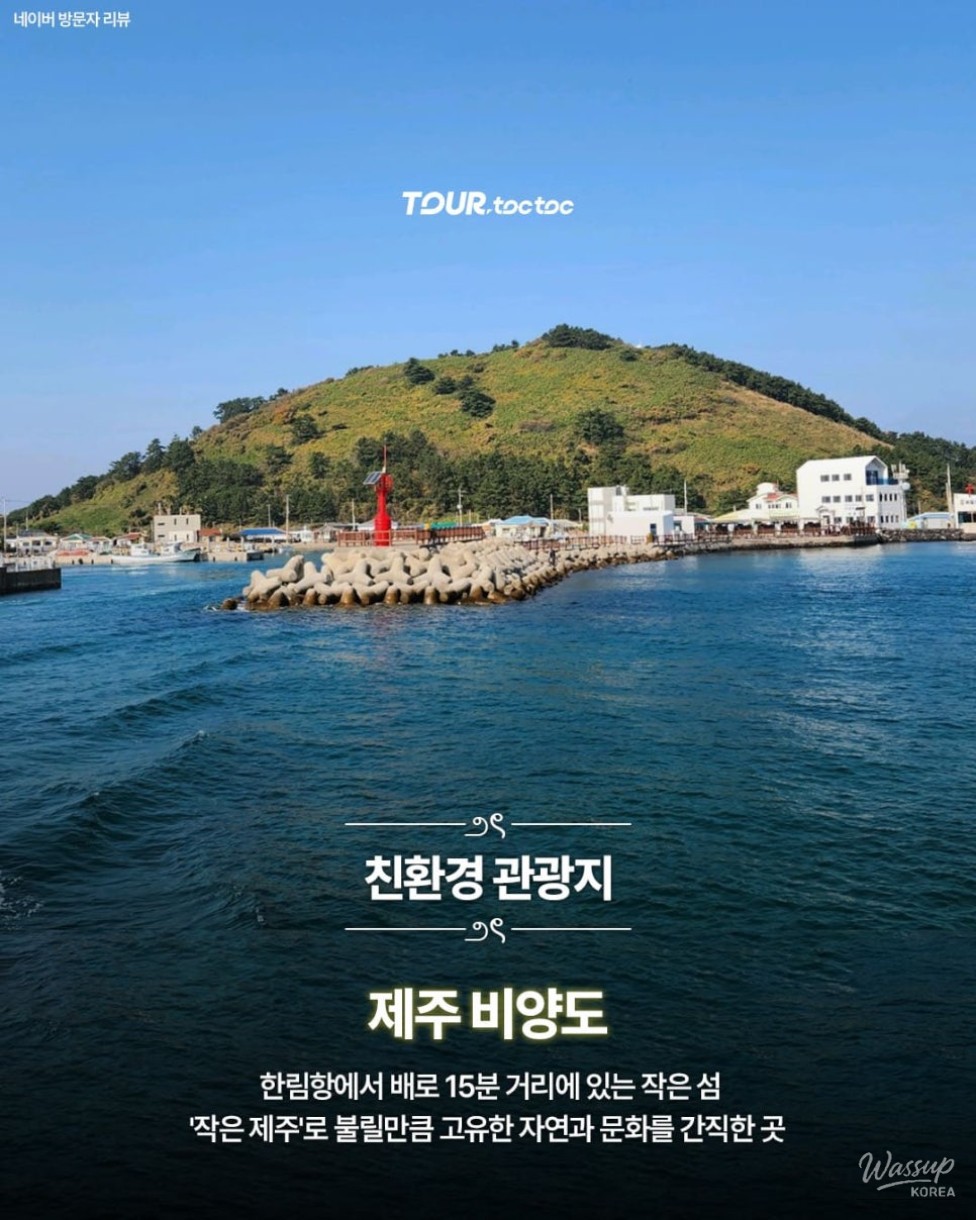
Eco-Friendly Tourist Destination – Jeju Biya Island
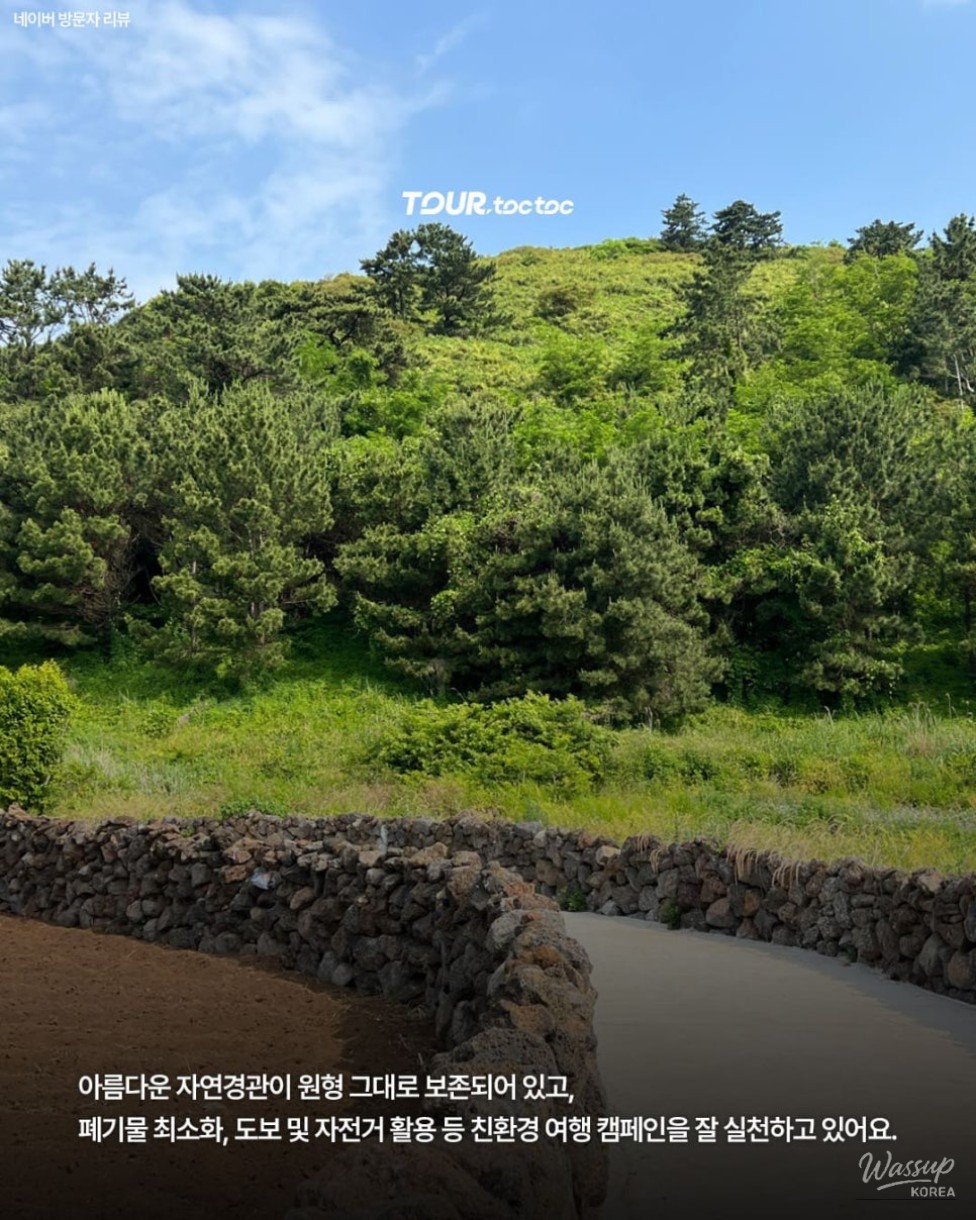
Jeju Biya Island preserves cliffs, meadows, and forests within a compact ecosystem often called Little Jeju.
Located just 15 minutes by boat from Hallim Port, the island promotes walking and cycling while actively practicing waste reduction and eco-friendly travel campaigns.
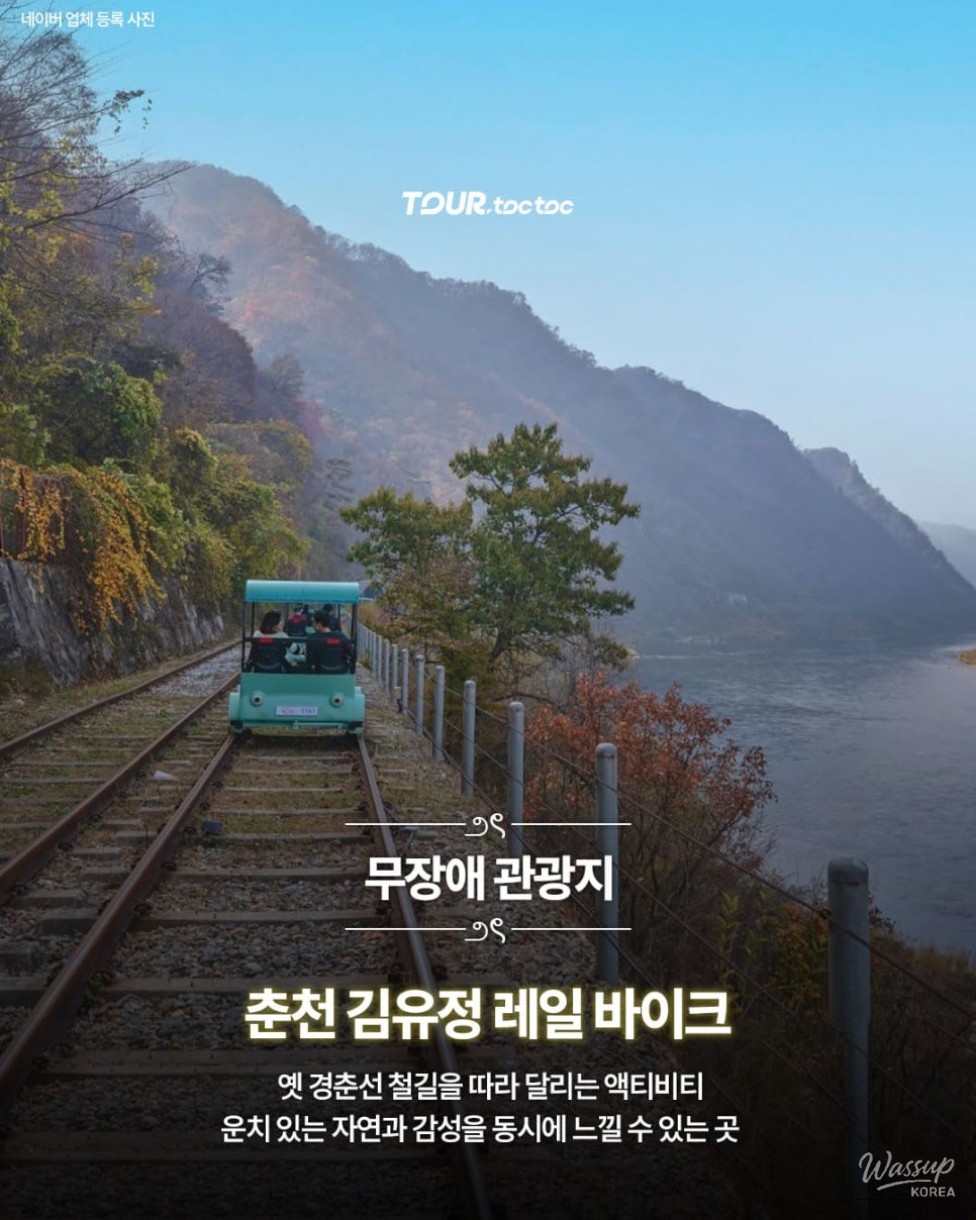
Accessible Tourist Destination – Chuncheon Kim Youjeong Railbike
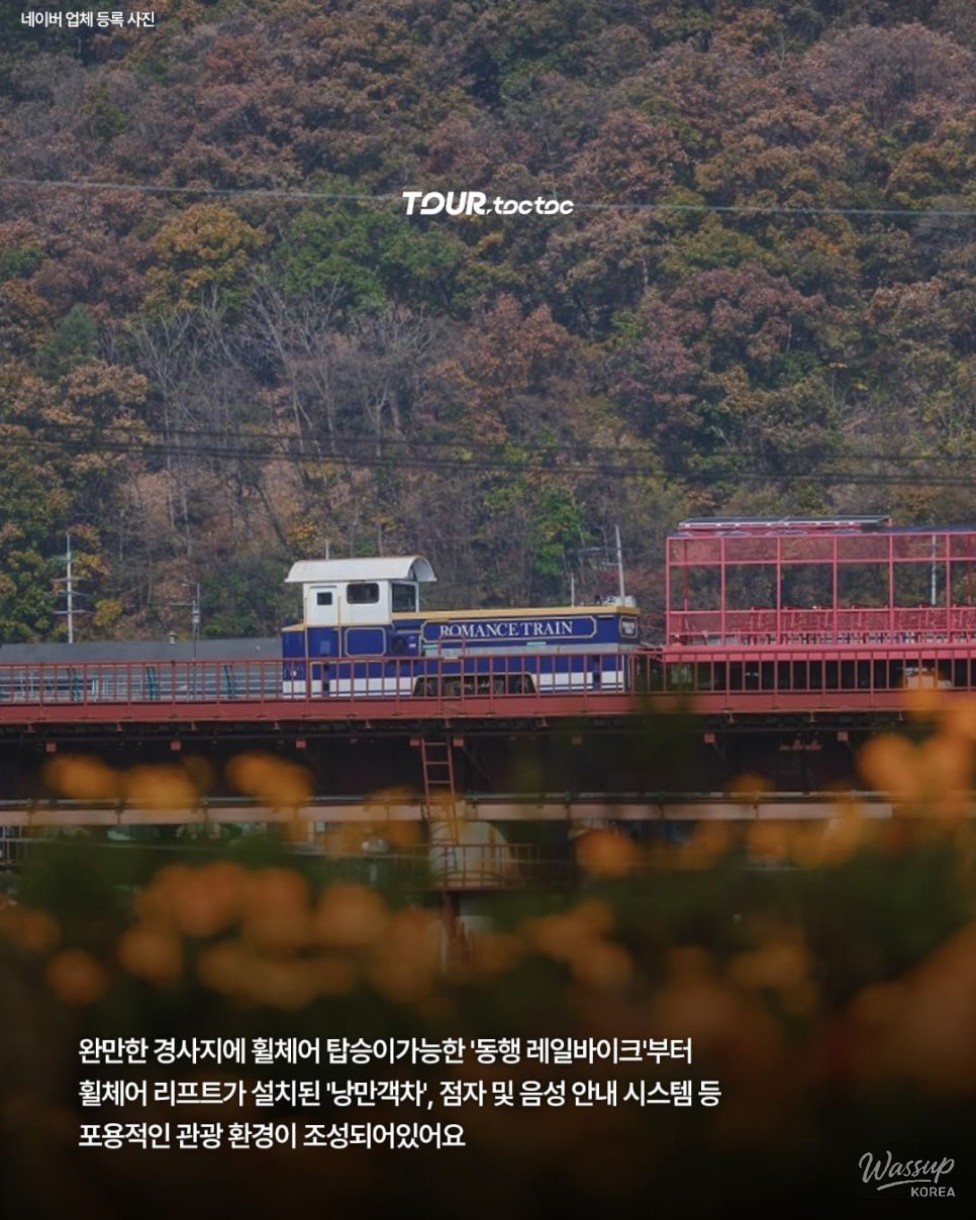
The Kim Youjeong Railbike in Chuncheon runs along the former Gyeongchun Line and is designed for travelers of all abilities.
With wheelchair-friendly facilities, braille guides, and audio systems, it sets a standard for inclusive tourism while offering scenic railway views.
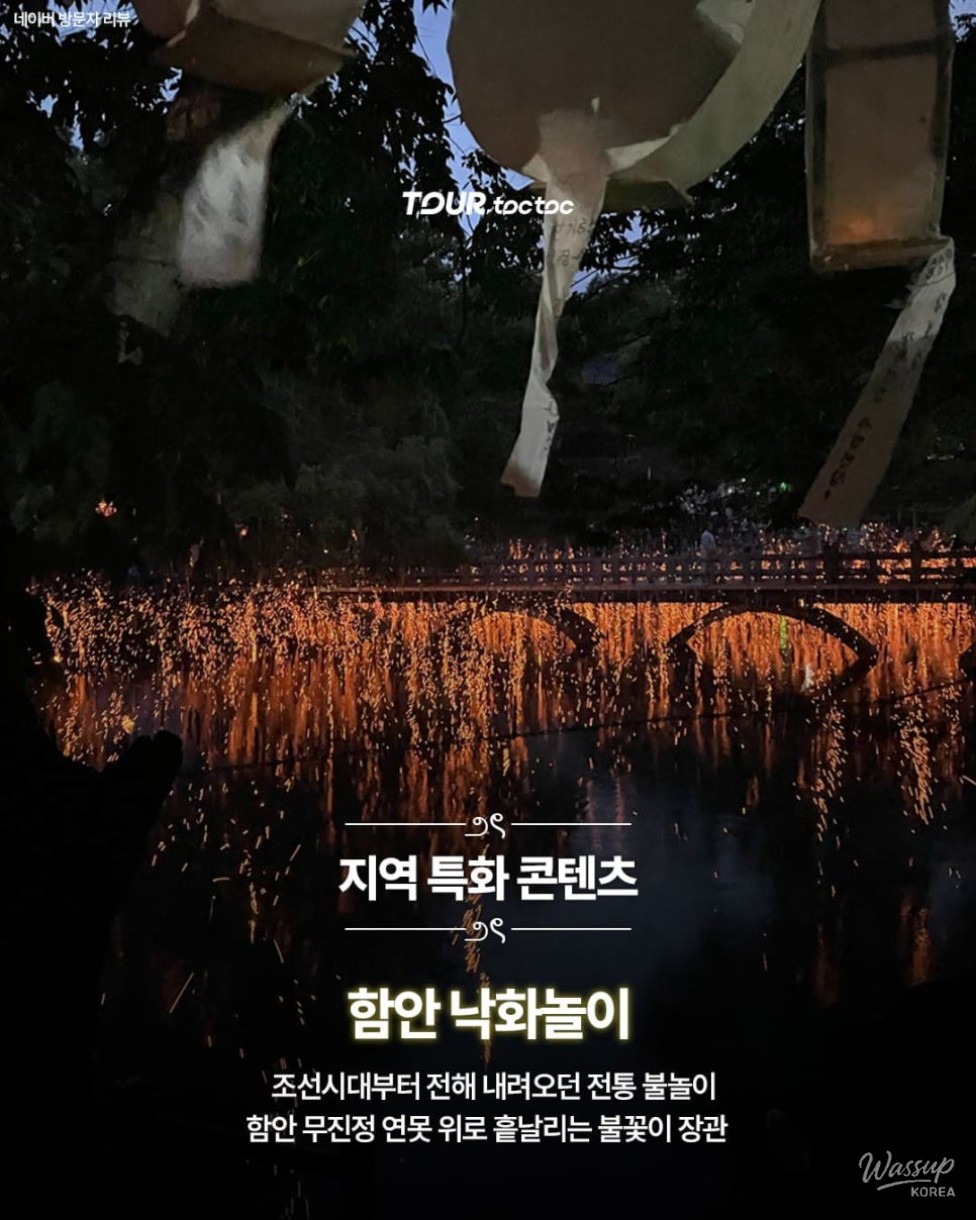
Regional Specialty Content – Haman Nakwhanori
Nakwhanori is a traditional fire play where charcoal-filled hanji balls are lit and released over a pond.
Dating back to the Joseon Dynasty, the falling sparks resemble flower petals, creating an emotional spectacle unique to Haman.
Regional Symbiosis Tourism Model – Gochang Sangha Farm
Gochang Sangha Farm operates as a circular economy model connecting local producers with food, crafts, and hands-on experiences.
Organic meals, handmade goods, and seasonal programs make it especially popular with family travelers seeking meaningful rural experiences.
Innovative Tourism Policy – Gangjin Half-Price Travel
Gangjin County supports travelers by refunding half of their travel expenses through local currency.
Accommodation, dining, and experience costs are partially returned, encouraging longer stays and deeper engagement with the local community.
Innovative Tourism Policy – Daejeon Dream Family
Daejeon’s Dream Family project modernizes the city mascot Ggumdori into a family-oriented character brand.
Tour products and merchandise built around the characters present a warm and playful image, ideal for family trips.
Contributor to Tourism Industry Development – Jeju Olle
Jeju Olle Trail revives old village paths into long-distance walking routes that connect nature and local life.
It has become a representative model of sustainable tourism, encouraging slow travel and local consumption.
Honorary Contributor – Writer Lim Sangchun
Writer Lim Sangchun’s Netflix drama Poksak Soksuda has drawn attention to Korea’s regional landscapes.
Scenic areas such as Aewol in Jeju gained popularity as emotional travel destinations, highlighting the strong connection between storytelling and tourism.

A New Direction for Korean Tourism
The Top 10 Stars of Korean Tourism 2025 reflect a shift toward experiences that value sustainability, inclusivity, and emotional connection.
These destinations invite travelers to slow down, explore deeply, and discover Korea beyond familiar routes.
More from Travel


No comments yet.