The Tranquil Beauty of Ssanggyesa Temple
- Place
- Ssanggyesa Temple
- Region
- Hadong-gun, Gyeongsangnam-do
- Address
- 경상남도 하동군 화개면 쌍계사길 59
- Coordinates
- 35.2327861183024, 127.651035235626
- Original source
- blog.naver.com


Located in the serene atmosphere of a traditional temple, Ssanggyesa Temple is situated in the scenic area of Jungsan-ri, Yangchon-myeon, Nonsan, South Chungcheong Province.
Just a 40 to 50-minute drive from Daejeon, this ancient temple offers a peaceful retreat, free from external noise. Upon entering the temple grounds, visitors can immediately sense a change in the air, with the coolness of the mountain creating a calming environment that encourages quiet footsteps.
The temple's layout is gentle and easy to navigate, making it accessible for the elderly. The smooth pathway from the parking area to the temple makes it an ideal stop for a light trip while driving around the Daejeon area, especially for those seeking a tranquil getaway in Chungcheong Province.
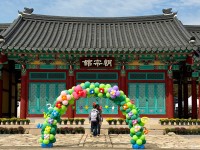
As you stroll through the temple grounds, the understated beauty of the landscape captures your attention. The tiled roofs peeking through the trees highlight the passage of time rather than ornate decorations, and even the sound of crunching winter leaves seems to fade into tranquility.
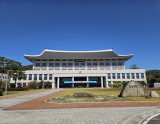
Standing in front of the Daeungjeon Hall, visitors can appreciate the harmony of wood and the stability of the columns, revealing the elegance of this historic structure. It is said that the eaves change their expression with the seasons, leaving visitors wanting to return for new experiences.
On one side of the temple is a statue of the Bodhisattva Avalokiteshvara, which is said to remain dry even in the rain. When the surrounding glass bells catch the wind, they produce a gentle resonance that invites visitors to linger.
Rich in legends and history, Ssanggyesa Temple has many stories to tell despite its modest size. The founder, Master Hyemyeong, is also known for creating the statue of the Mireuksaji in Gwancheoksa Temple, establishing a historical connection between the two temples.
Interestingly, records indicate that during the early Joseon period, Daeungjeon was a two-story structure housing over 500 rooms, making it a fascinating subject of imagination. From tales of a bluebird completing a mural to stories of longevity associated with winding around the vine pillars in a leap year, Ssanggyesa is filled with diverse legends.
As you learn about these stories while walking, even a small space can look different and bring joy.
The highlight of Ssanggyesa is the Daeungjeon Hall, designated as Treasure No. 408. Despite being a single-story structure with five bays, the craftsmanship of the wood and the harmonious proportions stand out, and the floral carvings on the window frames reveal a subtle texture when illuminated by sunlight, making it a perfect photo opportunity.
Inside, the Three-Body Buddha statue (Treasure No. 1851) showcases the early Joseon period's sculptural style, allowing visitors to deeply appreciate the temple's historical significance.
Along with Daeungjeon, there are other structures like Bonghwangru and Myeongbujeon that create a tidy and inviting space for leisurely exploration.
The intertwined roots of the tree known as Yeonri-geun also leave a lasting impression.
For a delightful day trip from Daejeon, visiting Ssanggyesa as the first destination before heading to Gwancheoksa or the modern streets of Gangneung is a natural progression. While Ssanggyesa offers a calming atmosphere, the grandeur of Gwancheoksa's Mireuksaji provides a contrasting visual experience, allowing visitors to enjoy different charms in one day.
In conclusion, Ssanggyesa Temple embodies the true charm of a peaceful journey in Chungcheong Province. Unlike flashy tourist spots, the air itself at Ssanggyesa creates a journey of its own. Its proximity to Daejeon, comfortable pathways, and gentle tranquility showcase the original allure of a travel destination in Chungcheong Province, making it a perfect spot for a quiet day of relaxation.


More from Travel



No comments yet.