The Significance of Bells in Jincheon


In most cities, bell-ringing ceremonies are held to announce the end and beginning of a year.
What does ringing a bell signify?
Bells have held great meaning for humanity since before the advent of metallurgy.
They have been used to communicate messages over long distances and foster a sense of community.
Throughout history, numerous bells have been created and have disappeared.
Each bell contains a series of partial tones, with various frequencies, and the tones used in music consist of harmonious partial tones and higher dissonances.
Jincheon County, a small municipality in North Chungcheong Province, is also known for its bells.
The Jincheon Bell Museum, the only one of its kind in Korea, has recently reopened after renovations and began full operations this year.
The permanent exhibition space has expanded from two to three rooms, allowing for a multidimensional understanding of the history, art, and technology of Korean bells through various media.
New facilities, including an immersive video room, a children's experience room, an archive room, and a multipurpose cultural space, have enhanced the museum's communication capabilities.
The preservation environment of the storage room has been improved, and a display-type storage room has been established to increase the stability and transparency of collection management.
One of the representative temples in Jincheon, Botapsa, houses the stone monument from the Goryeo Dynasty, designated as Treasure No. 404, known as the 'Jincheon Yeongok-ri Stone Monument.'
In spring, wildflowers and blossoms cultivated by monks beautify the temple grounds, while in autumn, the foliage paints a stunning landscape.
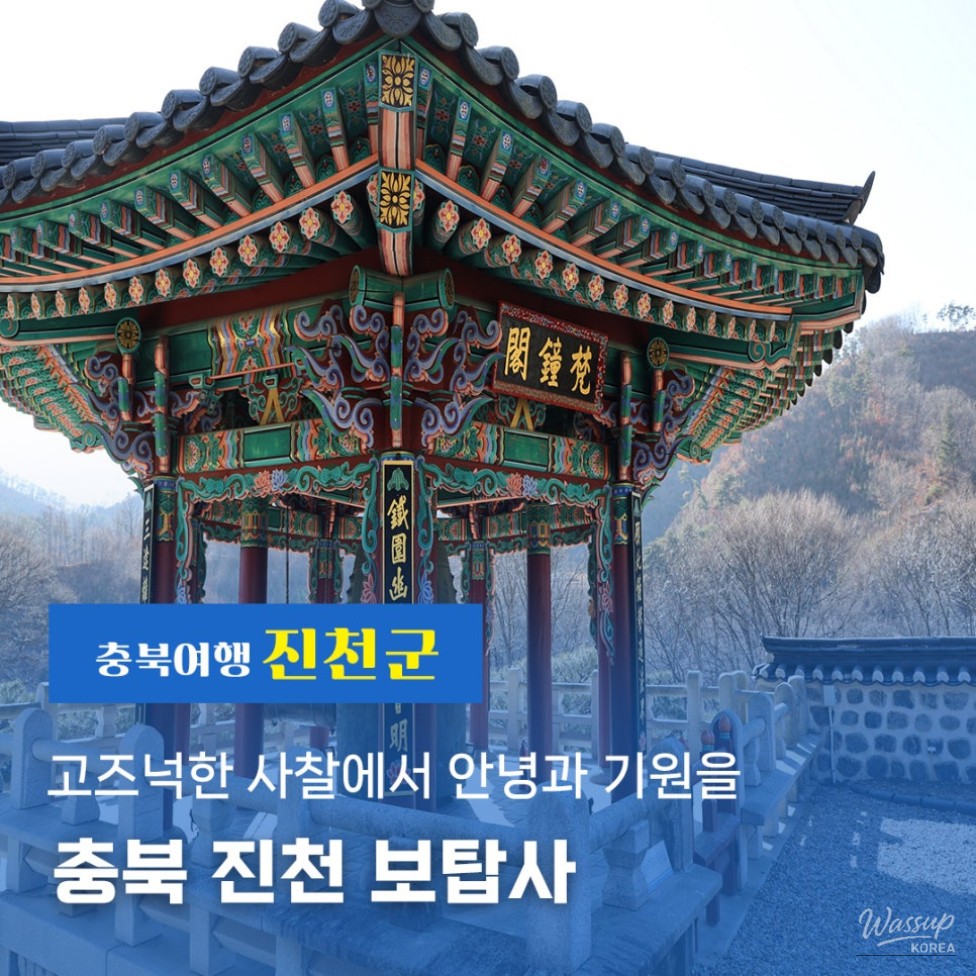
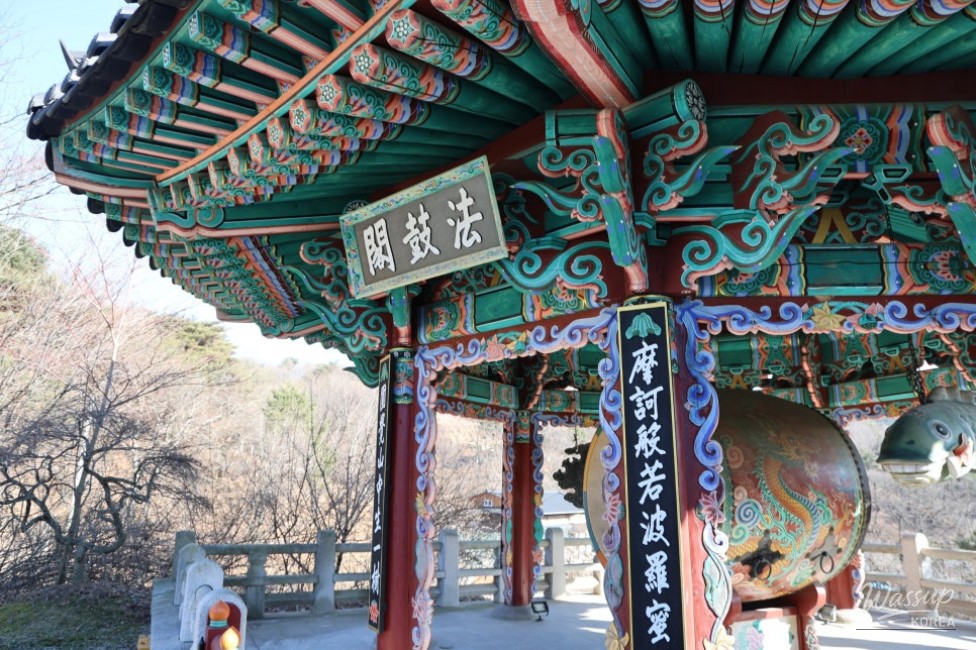
Like all temples, Botapsa features a bell, larger than typical bells, which serves to announce important events and times.
Since ancient times, bells have been used in religious ceremonies across East and South Asia, believed to purify sins.
On days when the white snow blankets the ground, the sound of the bell resonates in a world untouched by footsteps, creating ripples in the heart.
The three-story wooden pagoda, modeled after the nine-story wooden pagoda of Hwangnyongsa, stands at a height of 42.71 meters, reaching a total height of 52.7 meters when including the finial.
Botapsa comprises the Daeungjeon (199㎡), Beopbojeon (166㎡), and Mireukjeon (136㎡), incorporating most of the essential buildings a temple should have.
Visiting Botapsa in Jincheon offers a moment of tranquility amid the hardships of worldly life.
The temple features the highest existing three-story wooden pagoda at 42.71 meters, symbolizing the desire for unification, along with the Yeongok-ri Stone Monument, one of only three white monuments in the country.
In nearly all civilizations, bells have been crafted as art, combining the finest techniques and materials, with symbolic motifs used in their decorations.
When visiting Jincheon, known as the home of bells, you can enjoy a journey filled with the stories of bells.
Experience the serene, solemn, and majestic sounds of bells at Botapsa and embrace the spirit of 2026 during your winter travels in Jincheon.





Source :https://blog.naver.com/cbkb21/224148633886
No comments yet.