The Legacy of Poet Yun Dong-ju in Cheonan



Yun Dong-ju, a poet and independence activist during the Japanese occupation, is one of the 214 heroes without a family register. In 2022, he was officially registered as a resident of Cheonan, as his lineage had not been documented until then. He is a precious star of our nation, resting peacefully in 'Cheonan,' which means 'peace under heaven.'
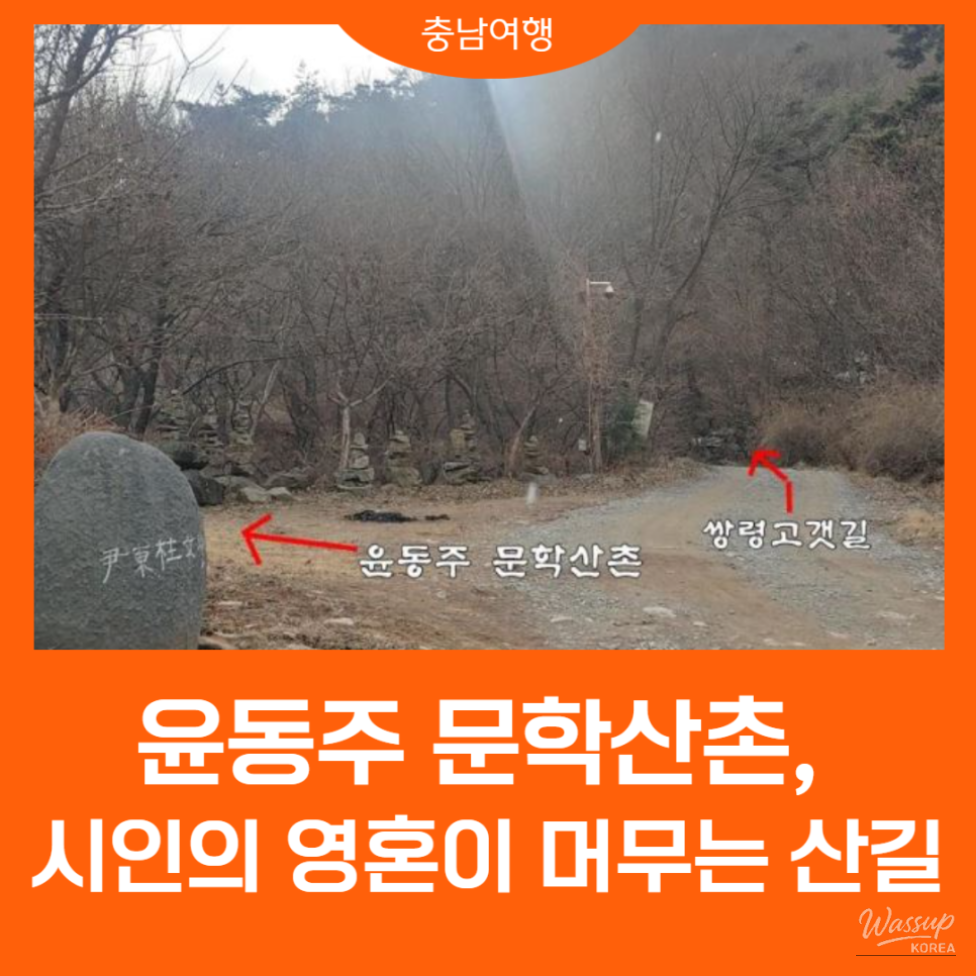
On January 10, while visiting the 'Yun Dong-ju Literary Village,' I was struck by the fierce winds that swept through the area, reminiscent of the turmoil of the Japanese colonial period that shook the poet's short life. Despite the storm, I felt a comforting presence, as if someone was gently patting my shoulder, perhaps because I understood how profoundly his brief yet impactful life resonates with those searching for his traces.
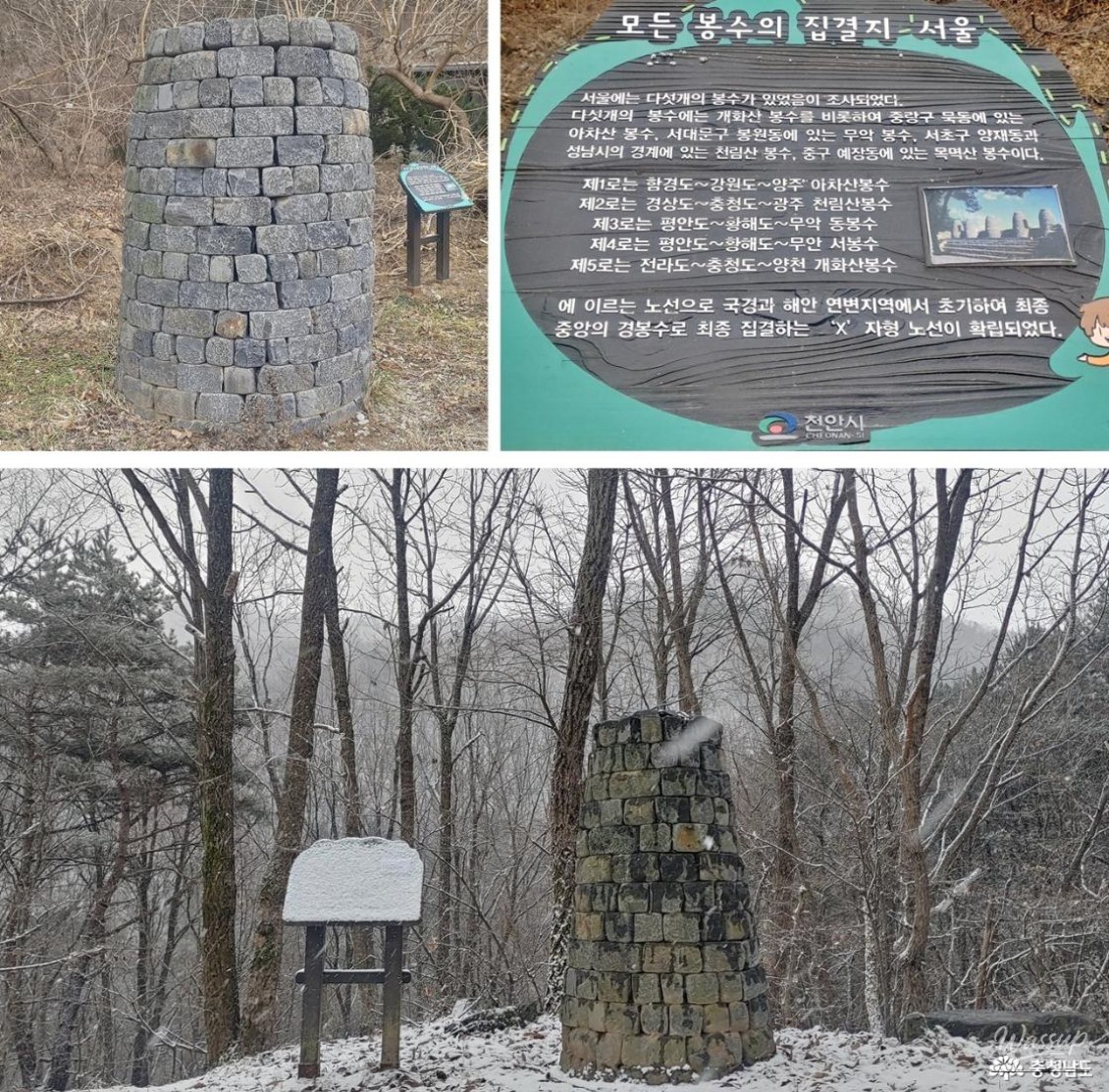
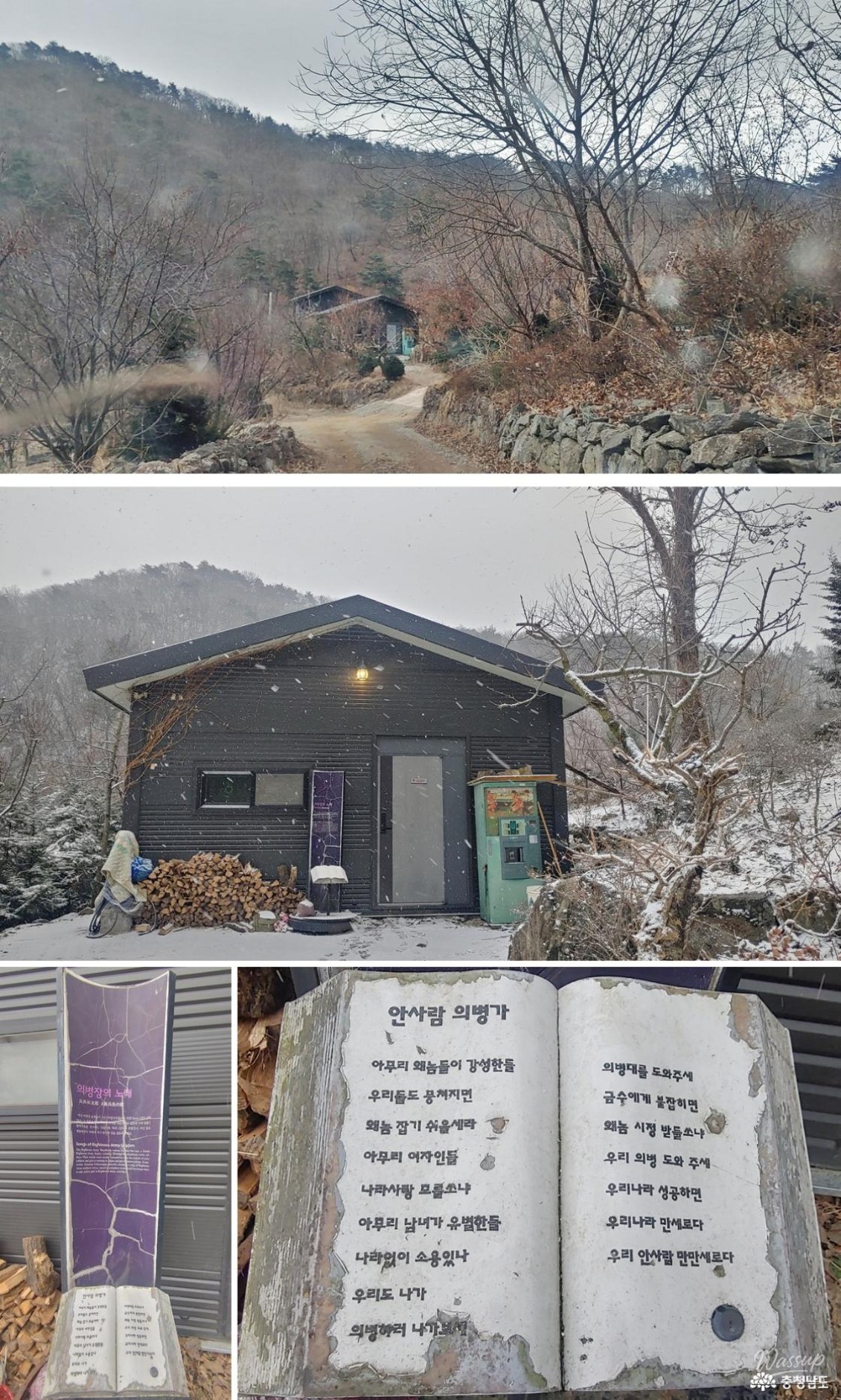
As I entered the second beacon along the Sangsong Pass and continued on, a quaint dark gray building came into view on the left. This building is the residence of Park Hae-hwan, the village chief who has established the 'Yun Dong-ju Literary Village,' where one can encounter the beautiful poetry and literary spirit of Yun Dong-ju. Although the village is still a work in progress, it has attracted the attention and support of many who love the poet.
Currently, Chief Park is leading the 'Yun Dong-ju Literary Ideology Promotion Association,' working diligently to recreate Yun Dong-ju's birthplace at the foot of Mt. Muhak and establish a proper exhibition hall. Local residents are also actively participating in this initiative.
Yun Dong-ju, born on December 30, 1917, in Myeongdong Village, North Gando, is celebrated for his strong spirit of resistance and his humanitarian ideals expressed through beautiful prose. His thoughts and poetry continue to inspire and resonate within our souls.
His life, though brief, was filled with profound experiences. After studying at Yonhi College, he spent three years in Seoul, where he actively wrote poems such as 'Night of Counting Stars' and 'Self-Portrait.' His life was cut short in a Japanese prison in February 1945, after enduring imprisonment for two years and three months.
At the 'Yun Dong-ju Literary Village,' one can find traces of the poet's spirit, including his poetry and artifacts. The village is designed to honor his legacy, with features like the 'Eyes of the Nation' and 'Voices of the People,' which were previously displayed at the Independence Hall but have now been relocated here.
As I walked along the paths of the village, I reflected on Yun Dong-ju's passionate life. Despite the winter chill, the desire to encounter even the smallest trace of the poet intensified. The outdoor performance area, though quiet in winter, comes alive with events in spring and autumn, serving as a space to continue the spirit of Yun Dong-ju's literary contributions.
Park Hae-hwan is dedicated to preserving Yun Dong-ju's memory, having collaborated with scholars and literary figures for over 27 years, establishing various awards and publications in his honor. The 'Seosi Pavilion,' a resting place within the village, was completed with support from the city of Cheonan and features a plaque created by Korea's top calligrapher.
As I left the temporary storage room for Yun Dong-ju's artifacts, I was reminded of the weight of his legacy and the importance of preserving his memory. I hope to return in spring to fully experience the beauty of the 'Yun Dong-ju Literary Village.'

Source :https://blog.naver.com/sinmunman/224148176328
No comments yet.