Korea’s Must-Try Fermented Seafood: A Deep Dive into Traditional Shrimp Sauce
충청남도 홍성군 광천읍 광천리
광천토굴새우젓시장



The Gwangcheon Traditional Market, located in Gwangcheon-eup, Hongseong-gun, Chungcheongnam-do, is bustling with visitors from all over the country, especially during the kimjang season.

Just a 3-minute walk from Gwangcheon Station, the market is easily accessible by public transportation, making it a popular destination.
During my visit on market day, I explored the unique traditional shrimp sauce and local specialties while purchasing ingredients for kimjang.
Gwangcheon is renowned nationwide for its traditional underground shrimp sauce, attracting many buyers looking for kimjang ingredients every late autumn.
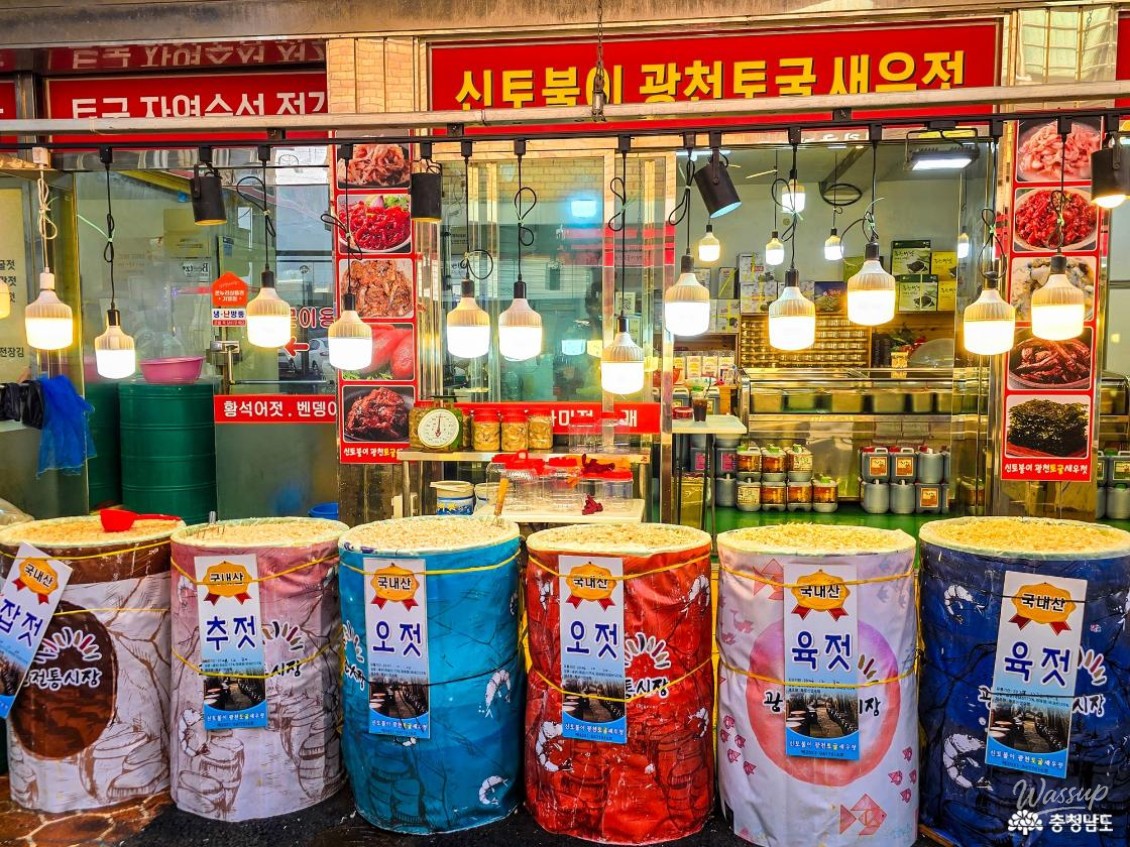
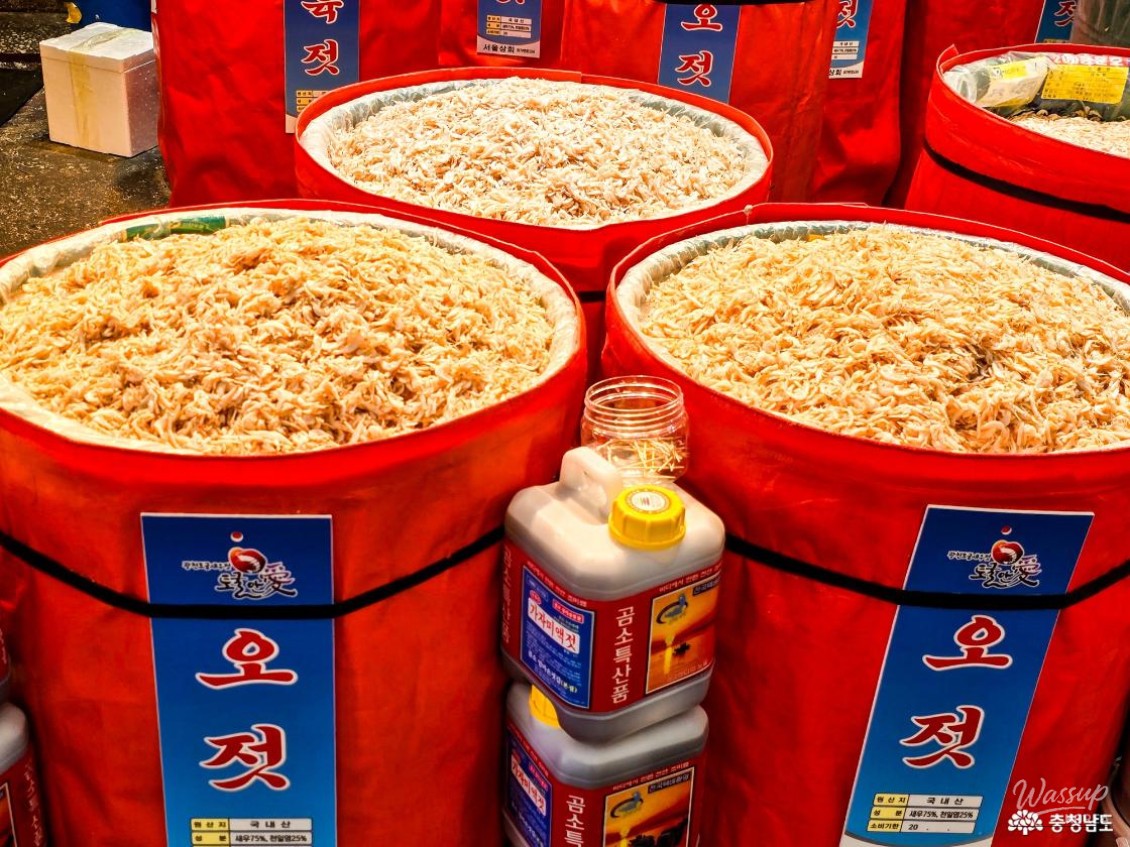
Inside the market, various shops offer different types of fermented seafood, including Ojeot, Yukjeot, Chujeot, and Japjeot, each categorized for easy selection.
The shopkeepers were friendly and provided recommendations when I mentioned I was looking for kimjang supplies.
The quaint alleys are lined with shops selling freshly harvested produce, fermented seafood, and local specialties. The shrimp sauce alley, in particular, is filled with jars and barrels of aged shrimp sauce, making it a must-visit for kimjang preparations.
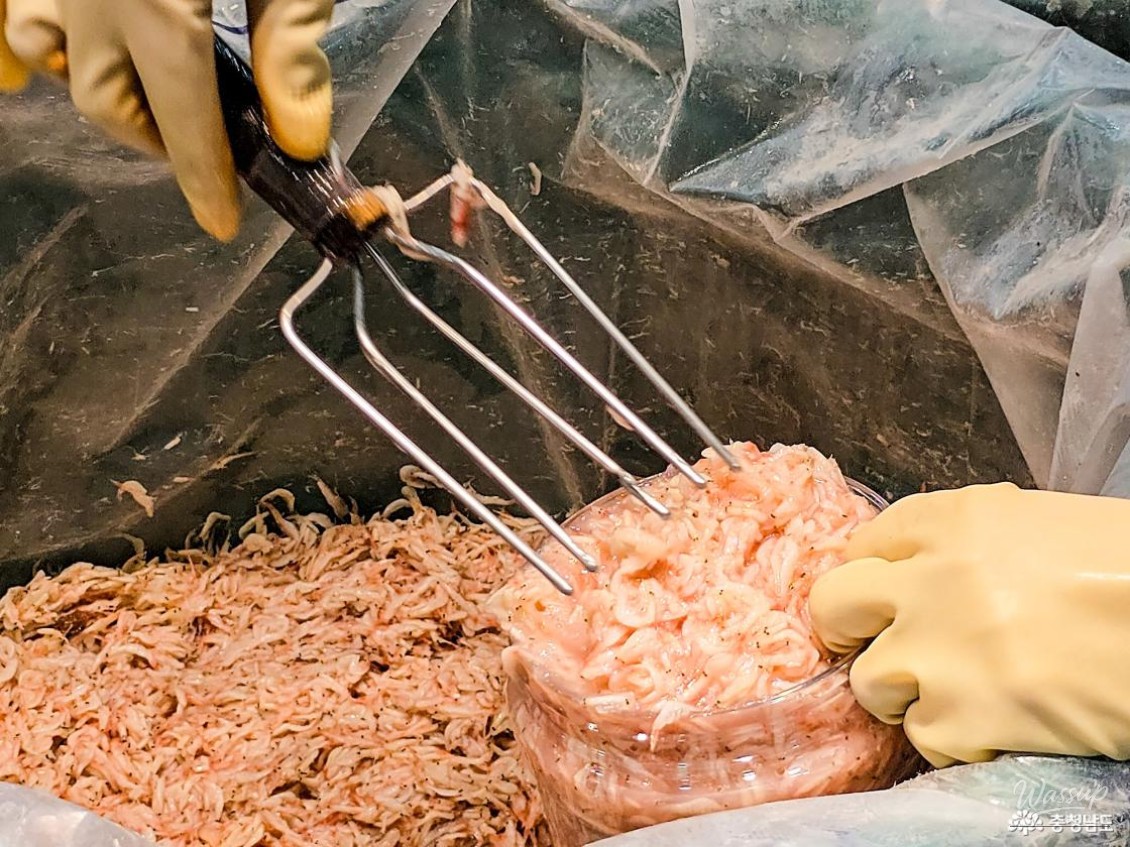
Gwangcheon underground shrimp sauce is made by salting shrimp caught from the sea and then fermenting them in underground caves at a controlled temperature and humidity for several months. This process results in plump shrimp with a clear broth and a rich umami flavor.
Depending on the timing of the catch and the fermentation level, the shrimp sauce is categorized into Ojeot (medium grade) and Yukjeot (premium grade), with the latter being pricier.
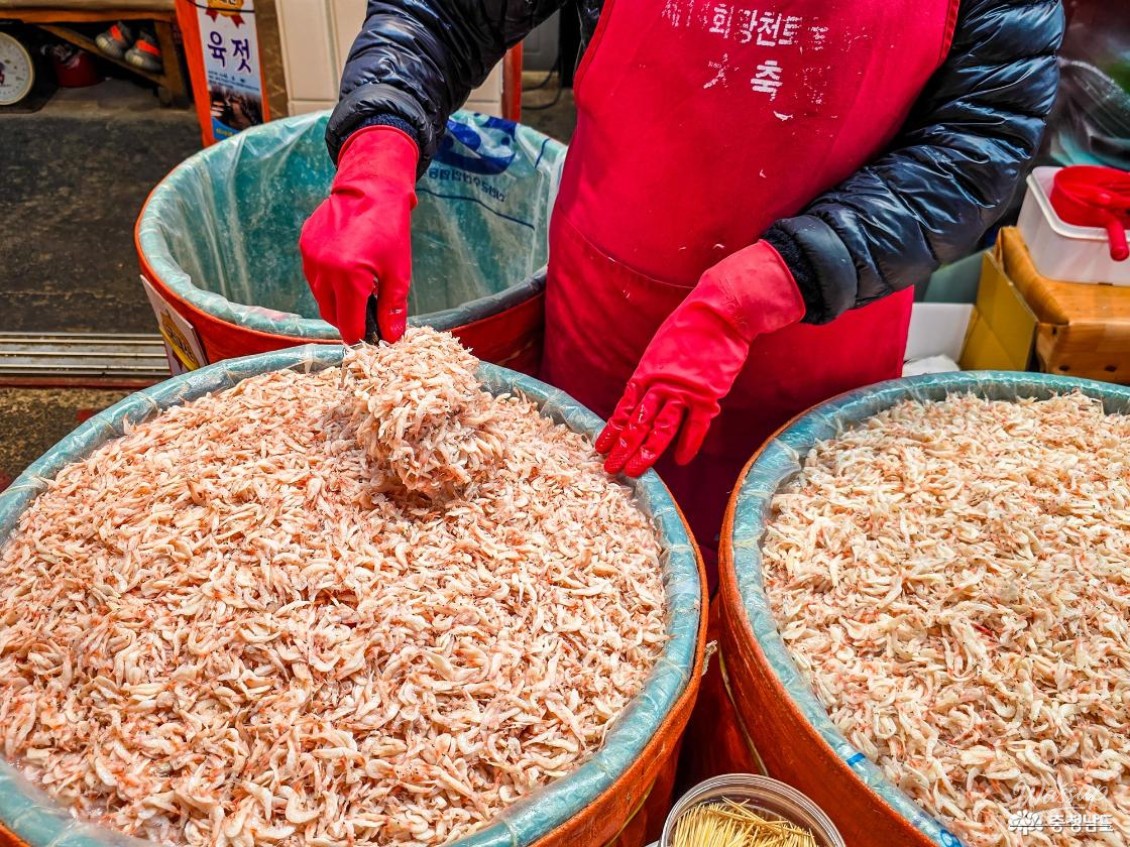
The shop owner explained, "The shrimp should be plump with clear tails and bodies to be considered real fermented seafood," while generously filling my purchase with fresh shrimp.
Shopping at the market allowed me to experience the warm hospitality of Gwangcheon, as the vendors were generous in their servings.
Hwangseok-eo jeotgal, made from small sea fish salted and fermented, is commonly used in kimjang to enhance flavor without any fishy taste.
Nowadays, younger customers have started recognizing the taste of Hwangseok-eo jeotgal and often buy it to mix into their kimjang preparations.
On market days, many vendors sell freshly grown napa cabbage, radishes, and other produce essential for kimjang. The freshness of the locally sourced ingredients is a highlight.
In addition to fermented seafood, popular Gwangcheon seaweed is also sold as a local specialty. The market offers a variety of fresh seafood, including seasonal crab and oysters.
The Gwangcheon Traditional Market operates on the 4th, 9th, 14th, 19th, 24th, and 29th of every month, providing ample opportunities to buy fresh agricultural and marine products.
There is a free public parking lot at the market entrance, making it convenient for those who drive.
By purchasing the deep-flavored underground shrimp sauce along with fresh napa cabbage and radishes, I made my kimjang preparations warm and delightful this year. I thoroughly enjoyed preparing for kimjang in the hospitable Gwangcheon market.








No comments yet.