Gilsangsa Temple: A Journey Through History and Nature in Jincheon


Jincheon is a region where nature and history breathe together. Among its attractions, I visited Gilsangsa Temple, a historical site in Jincheon where old tales quietly continue. A short drive from the city center leads to a shrine that exudes the scent of time beneath magnificent mountain scenery. This place commemorates General Kim Yu-sin, a hero of the unification of the Three Kingdoms, and it is a symbolic space of Jincheon that has upheld the spirit of 'loyalty and harmony' for over a thousand years. Gilsangsa Temple is also the best place to showcase the 'history and spirit of Jincheon,' where ancestral rites have been performed since the early Joseon Dynasty.
Its accessibility is particularly good, as it is located not far from the city center, about a 10-minute drive from downtown Jincheon. Admission is free, and parking is available near the entrance, making it easy to visit. It's a great place to feel the breath of history up close while experiencing the tranquil atmosphere of a mountain temple and feeling the passage of a millennium.
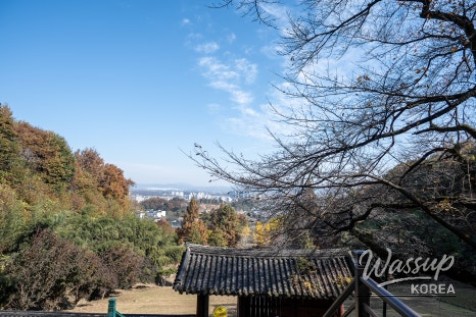
Gilsangsa Temple was originally built to commemorate the achievements of General Kim Yu-sin of Silla. According to the 『Dongguk Yeoji Seungram』 (Augmented Survey of the Geography of Korea), records indicate that the government officially performed ancestral rites here from the 8th year of King Taejong of Joseon (1408). As such, this place has been a historical symbol of commemorating figures who devoted themselves to the region and the nation for a long time. When I visited Gilsangsa Temple in Jincheon at the threshold of autumn, the maple trees were turning yellow, and even the surrounding birds were beautifully dressed in autumn colors.
Gilsangsa Temple was no exception to the wounds of war. The shrine was damaged several times during the Japanese and Manchu invasions, and in 1851, it was moved and enshrined in Gusu-ri, Baekgok-myeon, Jincheon, under the name 'Jukgyesa.' After several relocations and restorations, it was moved to its current location in Byeogam-ri in 1926, when the newly built shrine was named 'Gilsangsa'.
The name 'Gilsang' contains the hope that peaceful energy will be blessed with good omens. In 1957, the 'Stele of the Sacredness of King Heungmu' was erected in front of the shrine, and even now, ancestral rites commemorating General Kim Yu-sin are held every year. It is not just a cultural heritage but a place like a spiritual home that the people of Jincheon have cherished for a long time.
In the front yard, there are steles commemorating the reconstruction and the general's achievements, and the pine forest spreading on both sides quietly surrounds the temple grounds. Cherry blossoms bloom in spring, lush greenery in summer, and autumn foliage covers Gilsangsa Temple in red.
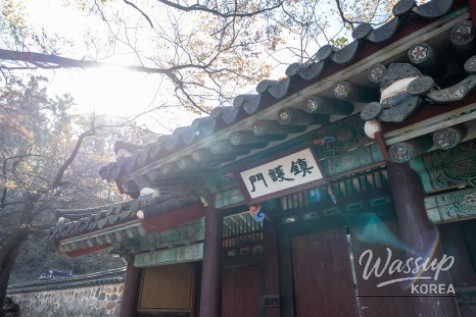
Gilsangsa Temple is a place that preserves the history and spirit of Jincheon. The traces of time are embedded in every stone step and pillar, and it conveys its meaning with different colors each season. Cherry blossoms bloom profusely in spring, lush greenery in summer, and autumn foliage colors the eaves of the shrine, adding a quiet beauty along with the spirit of General Kim Yu-sin. If you enjoy history, I highly recommend Gilsangsa Temple as a representative historical travel destination where you can directly feel the past of Jincheon.
Gilsangsa Temple
Location: 1411-38, Munjin-ro, Jincheon-eup, Jincheon-gun, Chungcheongbuk-do
Hours: Always open, free admission






Source :https://blog.naver.com/jincheongun/224089795669
No comments yet.