Garolim Bay: Korea's First National Marine Ecological Park
Oji-ri, Daesan-eup, Seosan-si, Chungcheongnam-do
가로림만




Garolim Bay (가로림만), whose poetic name translates to "the sea that adds dew to the forest," is a sanctuary of primordial life nestled between Seosan and Taean. Designated as Korea's first national marine ecological park, this area represents a triumphant decade-long effort to choose "coexistence through preservation" over industrial development, saving its vital tidal flats for future generations.
In the heart of mid-December, Garolim Bay offers a rare kind of solitude. Unlike the bustling seafood streets of other coastal destinations, this ecological park provides a meditative landscape where the clear winter sunlight reflects off tranquil waters. It is a place to "log out" from the noise of the world and reconnect with the quiet vitality of nature's untouched beauty.
The Vitality of Oji-ri and Balmal Pier
A Coastal Journey Through History and Nature
The exploration begins in Oji-ri (오지리), a village named after the giant puddle-like shape of its tidal flats. During high tide, the bay transforms, losing its muddy flats to resemble a vast, serene lake. Driving along the coastal road, visitors are greeted by an expansive horizon that brings immediate peace to the mind.
At the end of the village lies Balmal Pier, marked by a striking red lighthouse. Even in the winter chill, local fishermen can be seen casting their lines, embodying the slow and steady rhythm of life at the bay. The lighthouse is not just a maritime guide but a tribute to the bay's most famous seasonal residents: the endangered spotted seals.

Home of the Endangered Spotted Seal
Natural Monument No. 331 and the Health of the Sea
Garolim Bay is the only place in Korea where spotted seals (Natural Monument No. 331) can be observed with the naked eye on the sandy shoals of Okdo. Their presence from spring to autumn serves as a biological indicator of the bay's exceptional ecological health. While they migrate during the peak of winter, their spirit remains through delightful seal sculptures adorning the pier.
The commitment to protecting these creatures led to the area being named a marine protected area in 2016. Walking through this conservation zone, you can feel the results of local residents and environmental groups working together. It is a successful model of how humans and marine life can thrive together in a shared transition zone.
The Soothing Rhythms of Balcheonpo Beach
Pebble Beaches and Artistic Coastal Sculptures
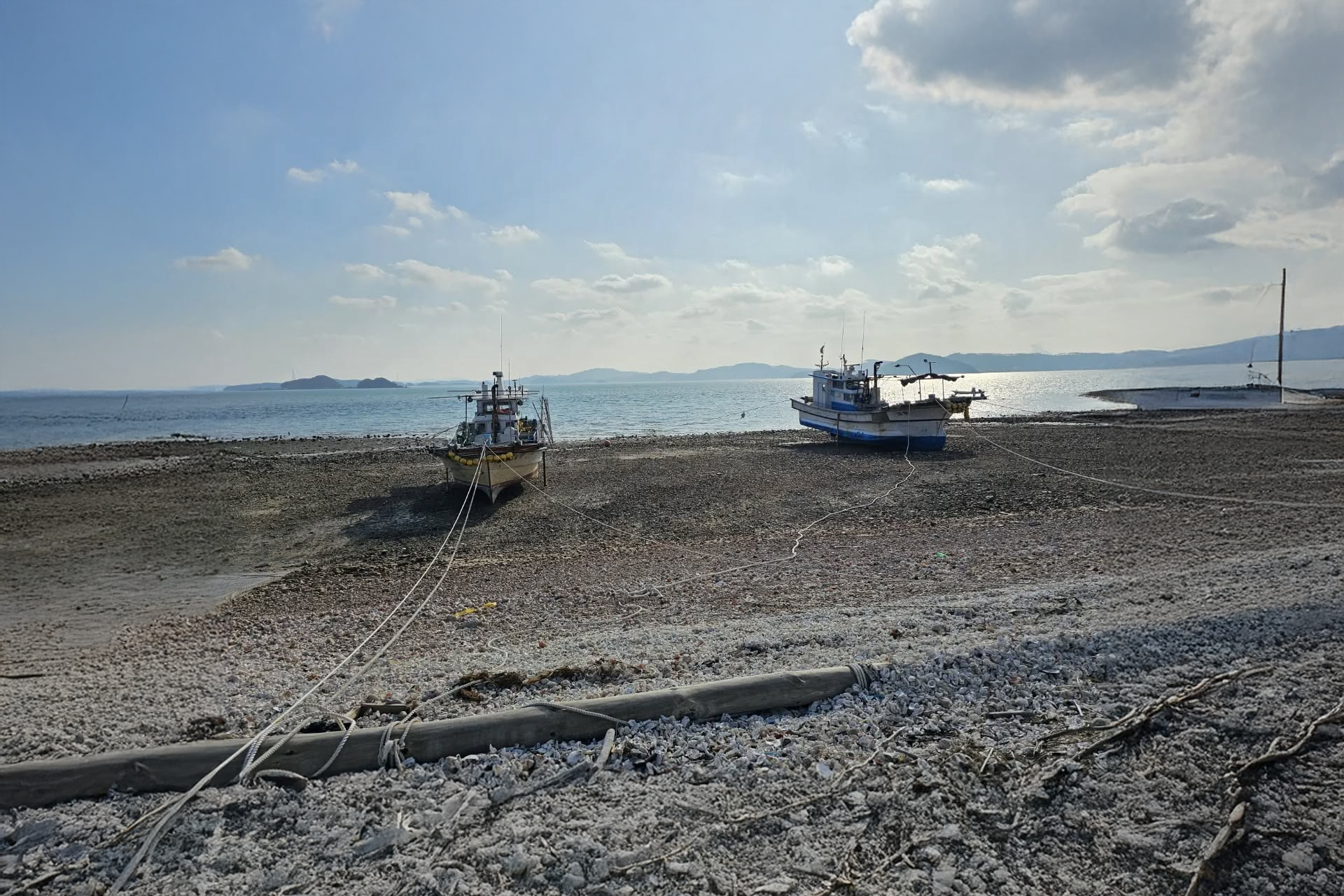
Continuing the journey leads to Balcheonpo Beach, a unique destination known for its pebble-filled shoreline. Unlike sandy beaches, the "clattering" sound of pebbles being tumbled by the winter waves provides a natural soundtrack that is more soothing than any meditation music. It is an ideal spot to walk while letting the sea breeze wash away daily worries.
Artistic metal sculptures, including oversized crabs, are scattered along the beach's edge, creating unusual and interesting photo opportunities against the backdrop of the cold winter sea. These installations highlight the biodiversity of the tidal flats that support both the local economy and the migratory bird populations.

Ungdo: The Mystical Island of Garolim Bay
Discovering the Hidden Path of Bear Island
The final jewel of the bay is Ungdo (웅도), an island shaped like a curled-up bear. Known as a "mystical island," it is accessible only during low tide when a hidden road is revealed through the receding waters. This phenomenon makes it a legendary spot for photographers and nature enthusiasts seeking to capture the grand gift of nature.
Ungdo sits at the very heart of the ecosystem, surrounded by expansive tidal flats that provide a vital habitat for countless marine species. As you conclude your visit to Garolim Bay, you carry back a sense of fulfillment. It is a place that doesn't need to be flashy to resonate deeply—it simply exists in a beautiful state of primordial coexistence.
Garolim Bay offers a profound sense of peace that is hard to find in the city. Have you ever visited a place where nature felt truly "untouched" and primordial? If you're heading to Seosan to explore the bay, would you like me to find some nearby local restaurants that serve authentic mudflat octopus dishes to complete your ecological journey?
No comments yet.