Exploring the Historical Space of Yangju's Hwaeamsaji Museum
경기도 양주시 회암동 산14-1
회암사지


In the open land at the foot of Cheonbosan Mountain in Yangju, Gyeonggi Province, there exists a vast historical space that embodies the royal culture of the Goryeo and Joseon dynasties.
The Yangju Hwaeamsaji Museum harmonizes the expansive grounds of the largest temple of its time with a modern art museum-like building made of red bricks.
Amidst the cold winds of February, take a moment to appreciate the beauty of the exposed stone bases on the vast snowy landscape, and enjoy a serene contemplation while encountering royal artifacts indoors.

The Site of the Ruins
The Site of the Ruins
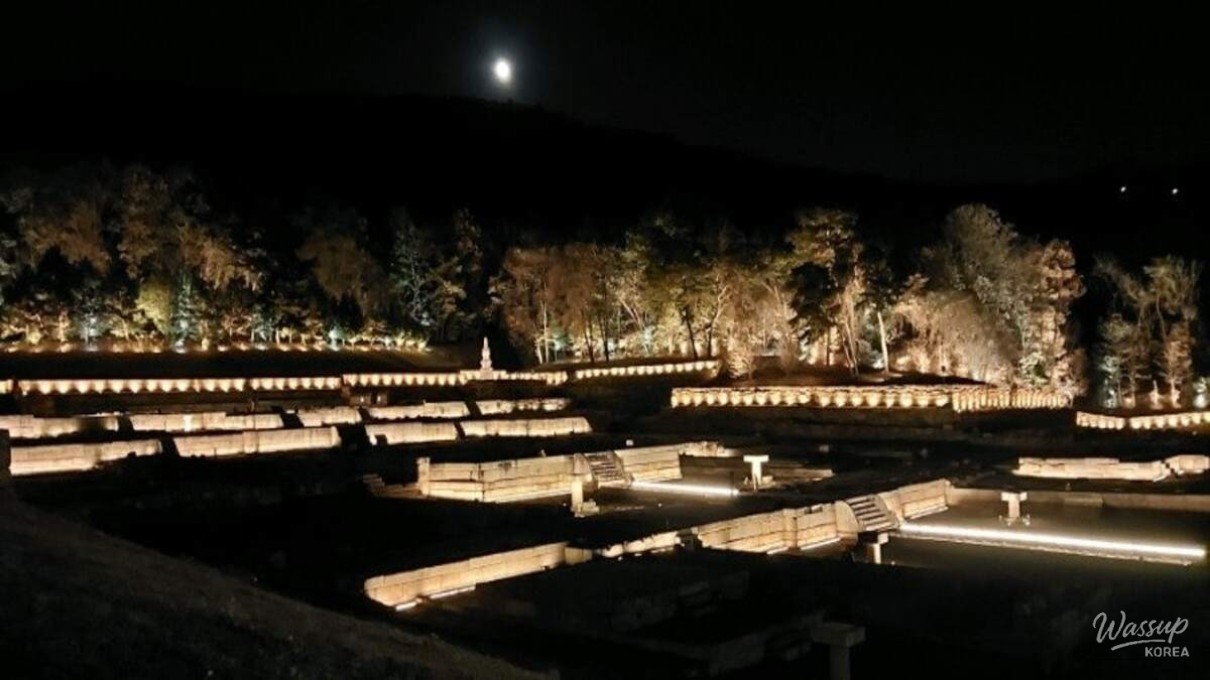
Behind the museum lies the Hwaeamsa site, the location of a large temple with over 260 rooms in the past, where only the foundation stones and bases remain today, creating a unique landscape akin to land art.
The regular arrangement of stones revealed on the vast ground covered in white snow during winter offers an overwhelming visual emptiness, blending beautifully with the monochromatic land.
The low February sun casts long shadows across the protruding parts of the ruins, adding a three-dimensional texture to the flat terrain.
Placing a figure against the endless linearity of the stone bases creates a striking visual record that highlights the scale of the space.

Red Brick and Exposed Concrete
Red Brick and Exposed Concrete
The museum building, facing the ruins, is designed with a minimalist approach using red bricks and exposed concrete, making it a sophisticated subject in itself.
The exterior of the building, where straight lines and curves intersect neatly, creates a dramatic color contrast against the blue winter sky or the white snowy landscape.
To escape the biting cold of February, the indoor lobby welcomes natural light through large windows, creating a warm atmosphere.
Taking photos using the neatly stacked brick patterns or framing between the columns of the building results in modern and artistic images.

Exhibition of Royal Artifacts
Exhibition of Royal Artifacts
Inside the museum's exhibition hall, splendid and delicate artifacts, such as blue tiles and dragon head decorations showcasing the grandeur of royal temples, are displayed under sophisticated lighting.
The exhibition setup, focusing light solely on the artifacts in a dim environment, offers an immersive experience akin to appreciating objects in a luxurious gallery.
Observing the aesthetic details enjoyed by the Joseon royal family in the quiet atmosphere of February enhances visual satisfaction.
Gazing at the silhouettes of exquisite royal ceramics or roof decorations is a sure way to capture the calm air of the space.

A Scenic Walking Path Away from the City
A Scenic Walking Path Away from the City
The walking path connecting the museum and the ruins excludes artificial decorations and preserves the natural terrain, providing a comfortable route for strolling.
The winter walking path, surrounded by the majestic ridges of Cheonbosan, creates an environment where one can focus solely on the sound of the wind, free from city noise.
Breathing in the cold February air while walking along the edges of the open grassy square brings a sense of inner calm, organizing complex thoughts.
Capturing the distant mountain ranges and the museum's view from the well-maintained walkway is the perfect way to reflect on the journey.
No comments yet.