Exploring the Historic Sites of Goesan


[ Goesan Travel ]
Places to Visit in Goesan County
A Sketch of the 2026 Military Academy Commissioning Ceremony
In the spring of 1919, the cry for independence resonated across the nation, reaching the small village of Sosu in Goesan County, Chungcheongbuk-do.
On April 2, the residents of this area shouted for independence, protesting against Japanese colonial rule.
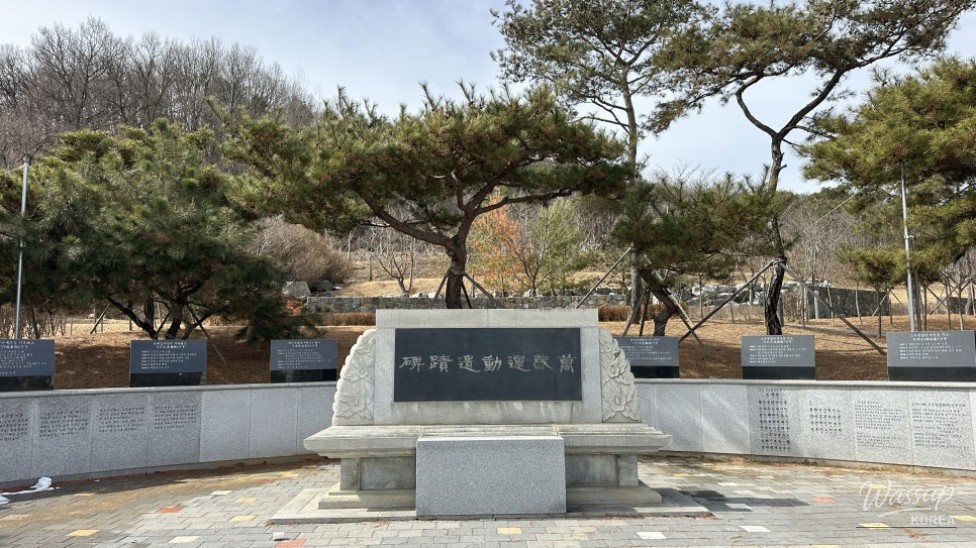
To commemorate the local independence movement, a monument was erected in Sosu-myeon.
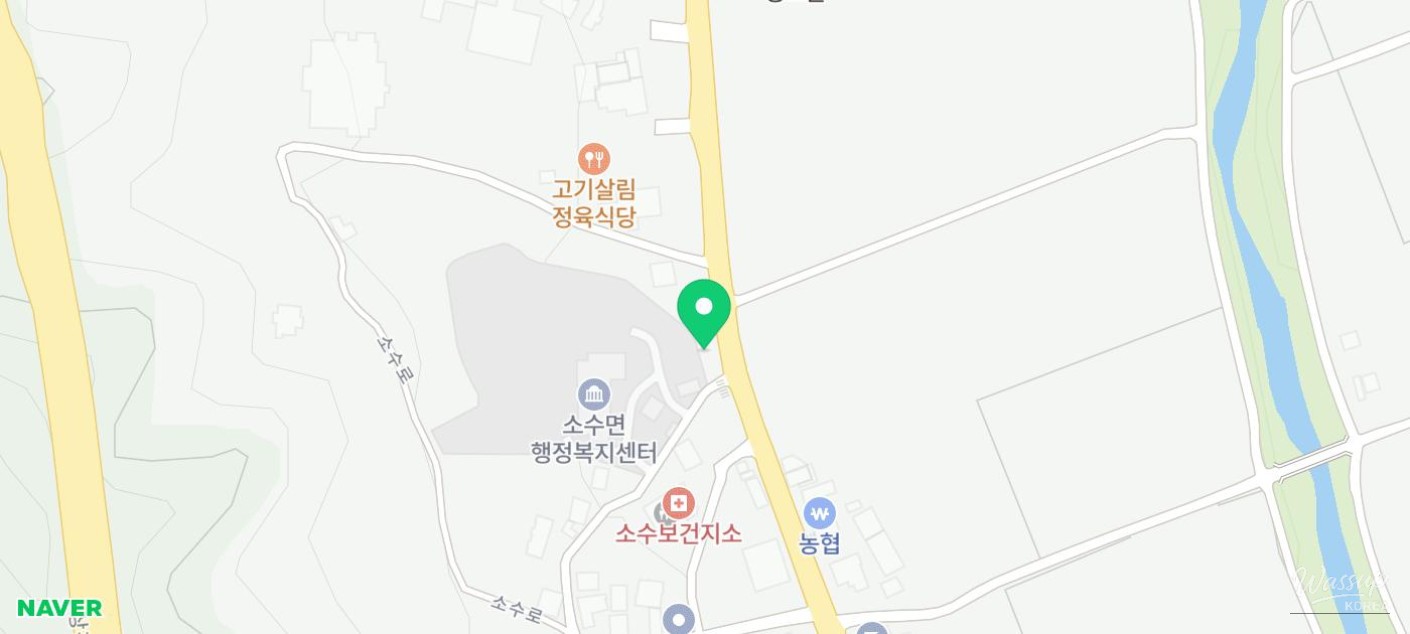
Currently, it is located behind the Sosu-myeon Community Center, preserving the history of that time.
The March 1st Movement was a nationwide anti-Japanese independence movement aimed at reclaiming lost national sovereignty.
Beginning on March 1, 1919, in Seoul, the call for independence quickly spread across the country, with spontaneous protests occurring in various regions, including Sosu-myeon.
In the early hours of April 2, 1919, around 500 people gathered in Okhyun-ri, shouting for independence as they marched toward the local government office.
Although they were thwarted by Japanese police, the residents' determination was unyielding.
Later that evening, about 300 people visited the house of the local chief, leading him to the police station to continue their protest.
This was a well-organized effort by the local community against Japanese rule.
Behind the monument, there is another stone commemorating the independence activists from Sosu-myeon.
Leaders such as Yoo Rae-ryun, Kyung Kwon-jung, and Song Neung-sik were arrested and endured hardships in prison.
In recognition of their contributions, the government awarded them the Order of Merit for National Foundation, and Song Neung-sik received a presidential citation in 1996.
To pass down this history to future generations, Goesan County built the monument in 1985.
Standing approximately 1.5 meters tall, it is currently managed as a national memorial site.
Every March, a reenactment event commemorating the independence movement is held here, allowing local residents to reflect on its significance.
Below the monument, Harmony Park has been created.
This park serves as a venue for various local events and is equipped with exercise equipment, making it a popular space for residents.
It functions as both a historical site and a community refuge.
The Sosu-myeon Community Center, located right in front, is also frequently visited by residents.
It provides administrative services, including civil affairs and welfare consultations, while also serving as a community space.
Various programs such as Nanta, gardening, yoga, silver gymnastics, badminton, and line dancing are offered to support local leisure activities.
On the second floor, there is a book cafe where anyone can freely read or take a break.
This space is suitable for quietly reflecting after visiting the historical site.
While the Sosu Independence Movement Monument may not be widely known, it is a place that reminds us of the courageous cries that echoed in this land during the spring of 1919.
As March approaches, visiting this site to recall the spirit and sacrifices of local residents in their fight against colonial rule will be a meaningful experience.





Source :https://blog.naver.com/goesan-gun/224202804550
No comments yet.