Exploring the Geochang Museum: A Journey Through History


If you want to gain a deep understanding of a region, visiting a local museum is the easiest way.
Today, I would like to introduce the Geochang Museum located in Geochang-eup.
The museum showcases the history and cultural artifacts of our area, featuring relics from the Gaya period to the Goryeo and Joseon dynasties.
In addition to these artifacts, you can also find folk materials and cultural heritage, making it a recommended spot for children's historical and educational experiences.
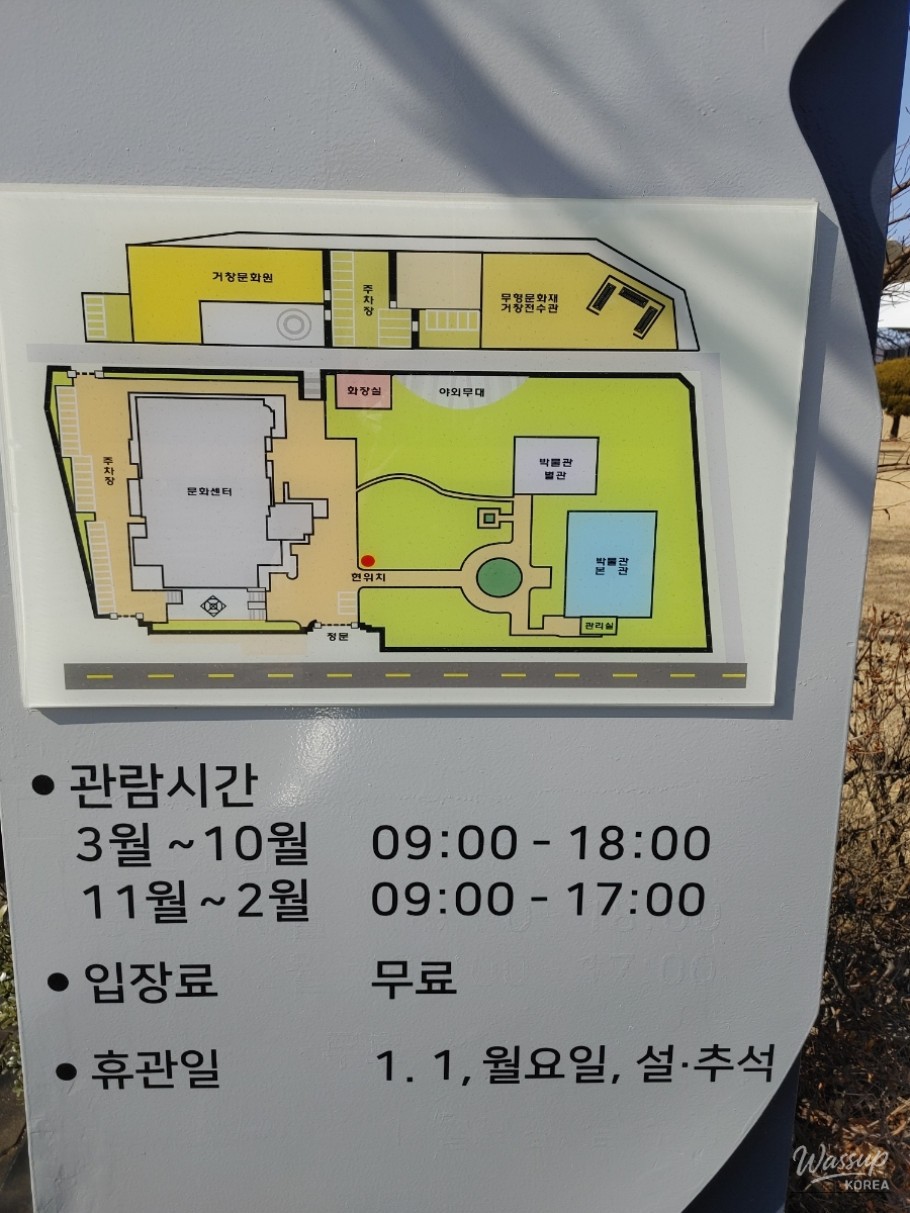
Admission is free, and the operating hours are as follows:
From March to October (summer): 9 AM to 6 PM
From November to February (winter): 9 AM to 5 PM
Closed on Mondays, January 1st, Chuseok, and Seollal.
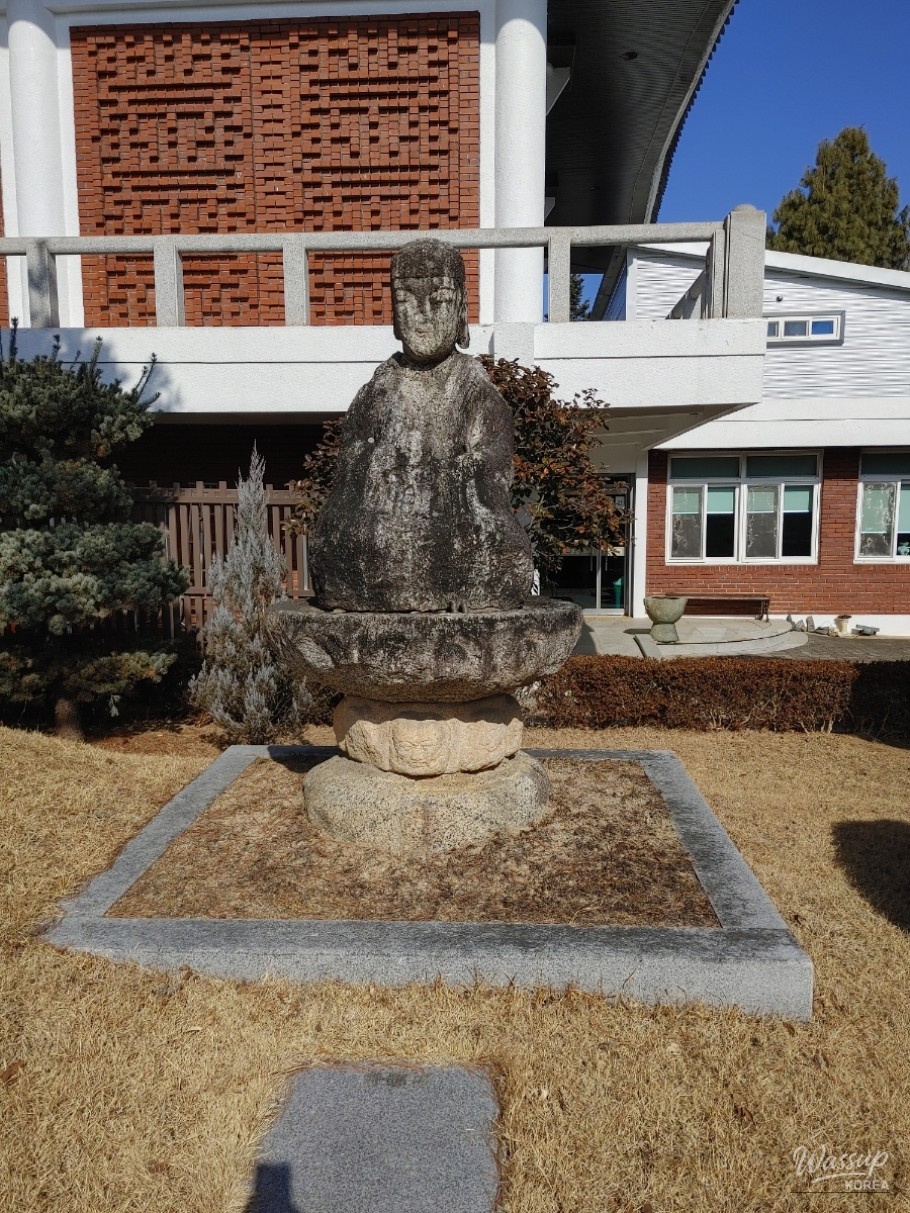
Outside, you can also see the stone statue of the seated Buddha, designated as a cultural heritage of Gyeongsangnam-do, located at Songrimsa Temple site.
This statue, carved from stone, was discovered in the area of Malihulri in Mari-myeon and was moved to this museum when it opened in 1988.
Geochang, located in a basin surrounded by mountains over 1 km high, is home to the Hwanggang River, a tributary of the Nakdong River, making it suitable for prehistoric settlements due to its fertile land.
At the museum's starting point, you can find an exhibition of the Gaseopamji Three-Statue of Buddha.
This statue, created during the 6th year of Goryeo's Yejong, is located in a natural cave on the slopes of Geumwonsan Natural Recreation Forest.
The statue can be reached within a 10-minute walk from the parking area of Geumwonsan Natural Recreation Forest, making it a great addition to your Geochang travel plans.
The museum also features a woodblock edition of the Daedongyeojido, a famous map created in 1864. The map was donated to the museum after being preserved by the Mil Yang Park family in Geochang-eup.
Among the exhibits are national treasures such as the white porcelain bottle and the gilt bronze statue of a Bodhisattva, although the ones displayed at the museum are replicas.
The authentic white porcelain bottle is housed at the Samsung Museum of Art, while the gilt bronze statue is at the National Museum of Korea.
You can also view a model of the Dunmari mural tomb located on the ridge of Geumgwi-bong in Namhae-myeon, which dates back to the late 13th to early 14th century.
In the exhibition hall's lower level, there is a video room featuring a six-minute video introducing the history and tourist sites of Geochang, making it convenient for travel planning.
Visitors can also enjoy the traditional sounds of the region while viewing dioramas of the four seasons in the past.
The museum showcases various traditional farming tools that have evolved since agriculture began in Korea, reflecting the agricultural practices suitable for small-scale farming.
Farmers typically made their own tools and prepared them in advance for the farming season.
In addition to traditional clothing made from silk and hemp, the museum presents the old forms of traditional instruments and herbal medicine.
It is interesting to note that the living spaces were developed with a male-centric separation of rooms.
For those planning a trip to Geochang during the cold weather, I recommend starting your journey at the Geochang Museum, which offers a warm indoor environment.

Source :https://blog.naver.com/geochanggun/224166806157
No comments yet.