Exploring the Arario Museum in Space: A Hidden Gem in Seoul
83 Yulgok-ro, Jongno-gu, Seoul
아라리오뮤지엄 인 스페이스




Escape the biting cold of December and step into a world where architecture and contemporary art collide. Located in Wonseo-dong, Jongno-gu, the Arario Museum in Space (아라리오뮤지엄 인 스페이스) is a breathtaking indoor destination housed in the former office of the legendary architect Kim Soo-geun. This masterpiece of Korean modern architecture has been transformed into a museum that feels more like a hidden labyrinth than a traditional gallery.
Navigating through its narrow staircases and low ceilings, visitors can discover world-class artworks tucked away in unexpected corners. Whether you are an art enthusiast or a fan of unique urban spaces, this museum offers a cozy yet thrilling cultural retreat in the heart of Seoul during the winter season.
The Architectural Wonder of Kim Soo-geun’s Labyrinth
Escape the biting cold of December and explore a maze of architecture and art in a warm indoor space.
Located in Wonsadong, Jongno-gu, Seoul, the Arario Museum in Space is a modern art museum that has transformed a former office building, considered a masterpiece of contemporary Korean architecture.
Experience the thrill of discovering art pieces as if searching for hidden treasures in the unique space characterized by narrow stairs and low ceilings.
Unique Maze-like Structure
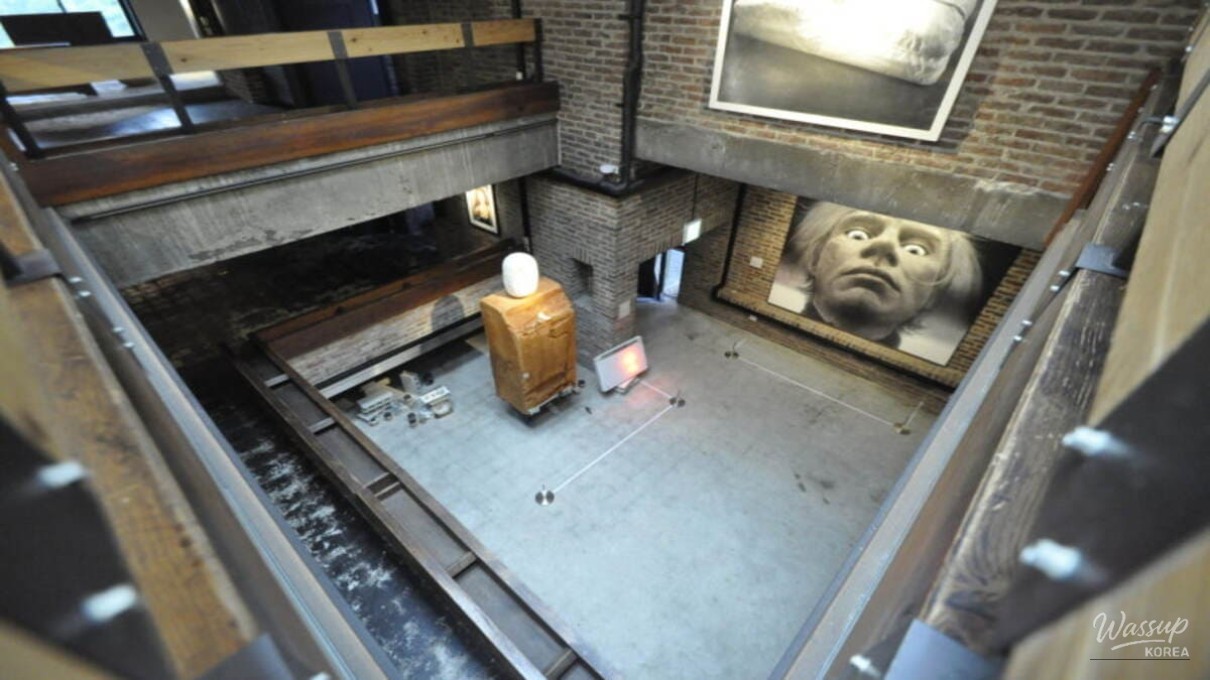
Designed by first-generation architect Kim Soo-geun, this building features a skip floor structure where each level is staggered by half a floor.
As you navigate the steep spiral stairs, you may feel the excitement of exploring a secret cave or labyrinth.
The absence of a defined viewing path encourages visitors to actively engage with the exhibits.
The sensation of moving through a narrow passage that suddenly opens into a spacious area provides a thrilling experience.
Exhibits Integrated with Space
Unlike typical museums that hang paintings on white walls, this museum installs artworks according to the characteristics of existing spaces, including rooms, restrooms, and hallways.
Contemporary works by renowned artists like Nam June Paik, Kohei Nawa, and Marc Quinn harmoniously blend with the building's aged features.
Particularly, a taxidermied deer covered in glass beads emits a mesmerizing light in the dim space, creating a dreamlike atmosphere.
The overwhelming visuals provide a stunning impact, allowing visitors to enjoy the exhibits without lengthy explanations.
Red Brick and Dry Vines
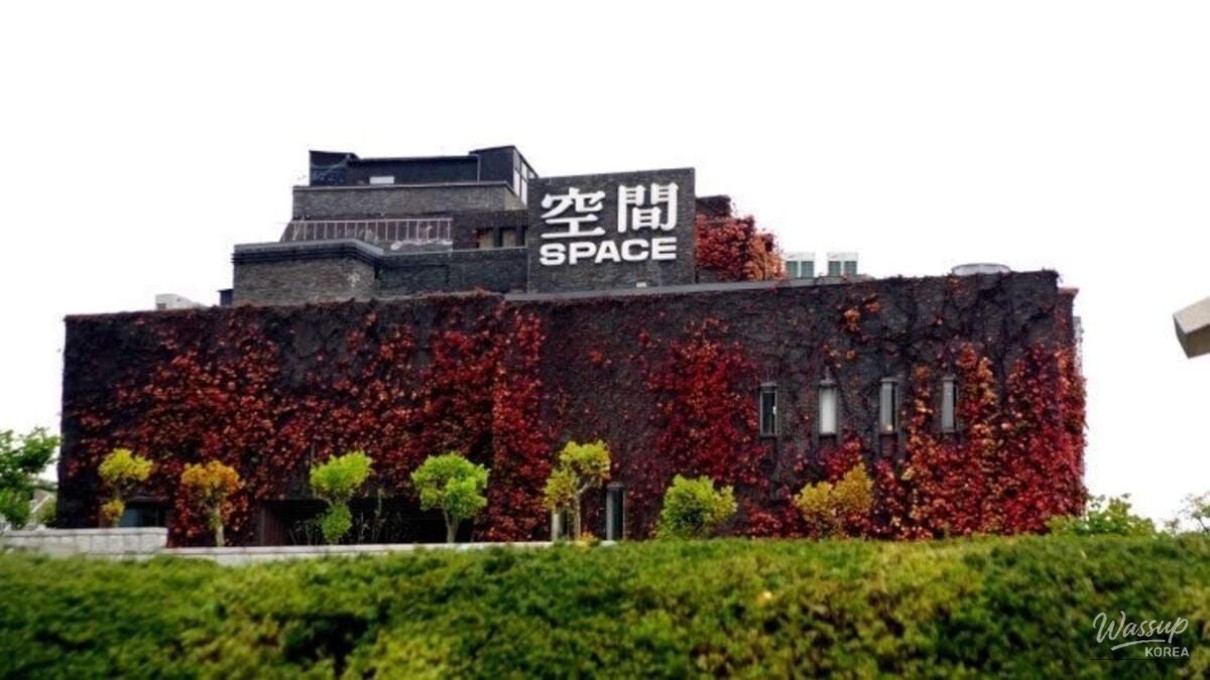
The ivy that envelops the building's exterior sheds its leaves in December, revealing the texture of the red bricks underneath.
In contrast to the lush greenery of summer, the winter appearance of the red brick building exudes a calm and vintage charm, making it a perfect retro photo backdrop.
The serene atmosphere created by the cold winter air and the old building from the 1970s offers a different hip vibe compared to Seongsu-dong or Euljiro.
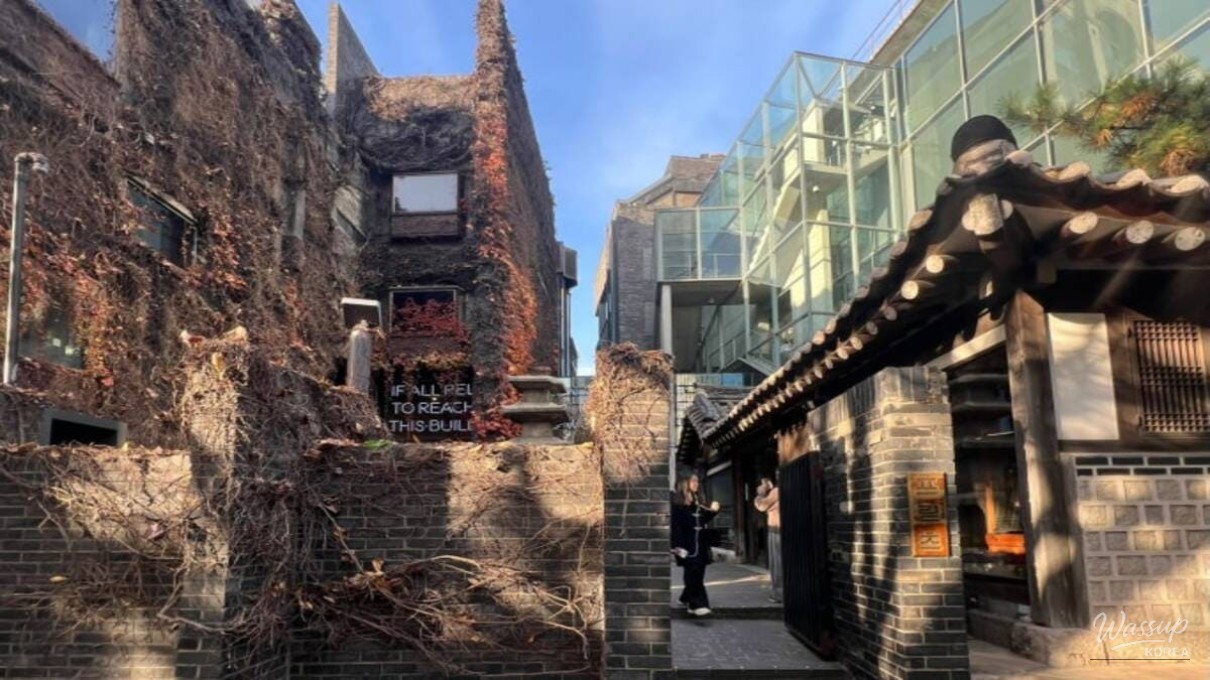
Stand in front of the narrow entrance or the vine-covered wall, striking a chic pose for a December photo.
Views of the Gyeongbokgung Palace Beyond the Glass
Adjacent to the former office building, a transparent glass structure provides a stunning view of the beautiful Changdeokgung Palace.
While seated in the museum's café or dining area, you can admire the serene tiled roofs and winter trees visible through the large glass windows.
If you're lucky enough to visit on a snowy day, you'll witness a fantastic scene of white snow blanketing the Joseon palace from within the modern glass building.
This is a perfect date course where you can enjoy art while appreciating the charm of a historic palace in the midst of a bustling urban environment.

No comments yet.