Exploring Sinwon Temple and Jungakdan
8 Sinwon-dong, Gyeryong-myeon, Gongju-si, Chungcheongnam-do
신원사


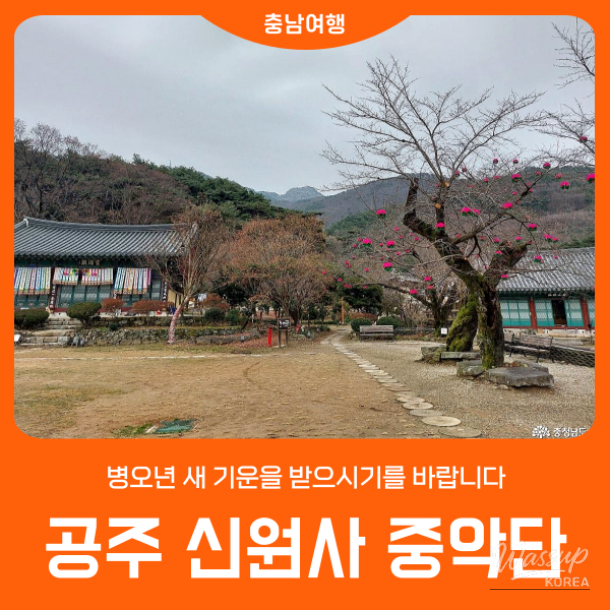
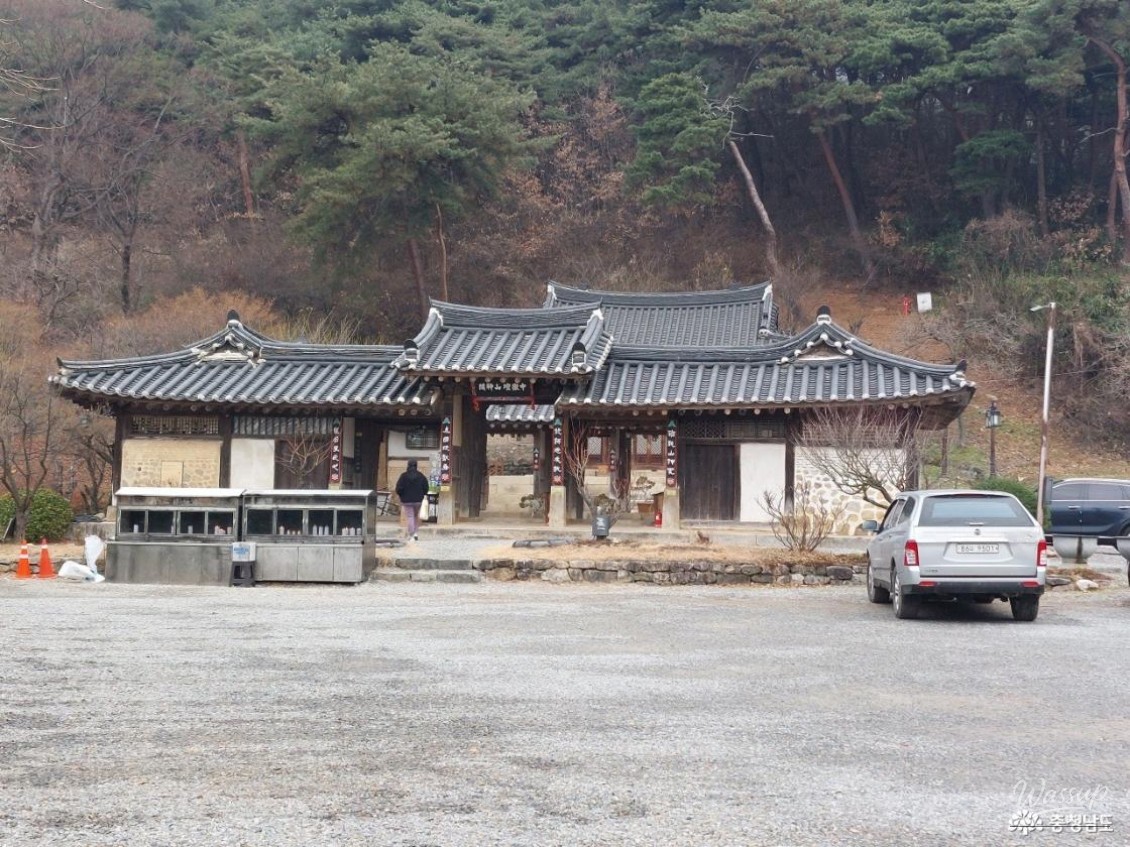
Nestled at the base of the mystical Gyeryongsan Mountain, Sinwon Temple(신원사) offers a serene escape into Korea's deep spiritual and royal history. Founded in 651 AD during the Baekje Dynasty, this temple serves as a peaceful sanctuary where the legacy of ancient monks and the prayers of the Joseon royal family still resonate today.
This winter journey explores the unique architectural treasures of the temple, including the famous Jungakdan Shrine. Whether you are drawn by the "reclining Buddha" silhouette of the mountain or the historical site where Empress Myeongseong sought spiritual solace, Sinwon Temple provides a profound experience for every visitor.
The Ancient Origins of Sinwon Temple on Gyeryongsan
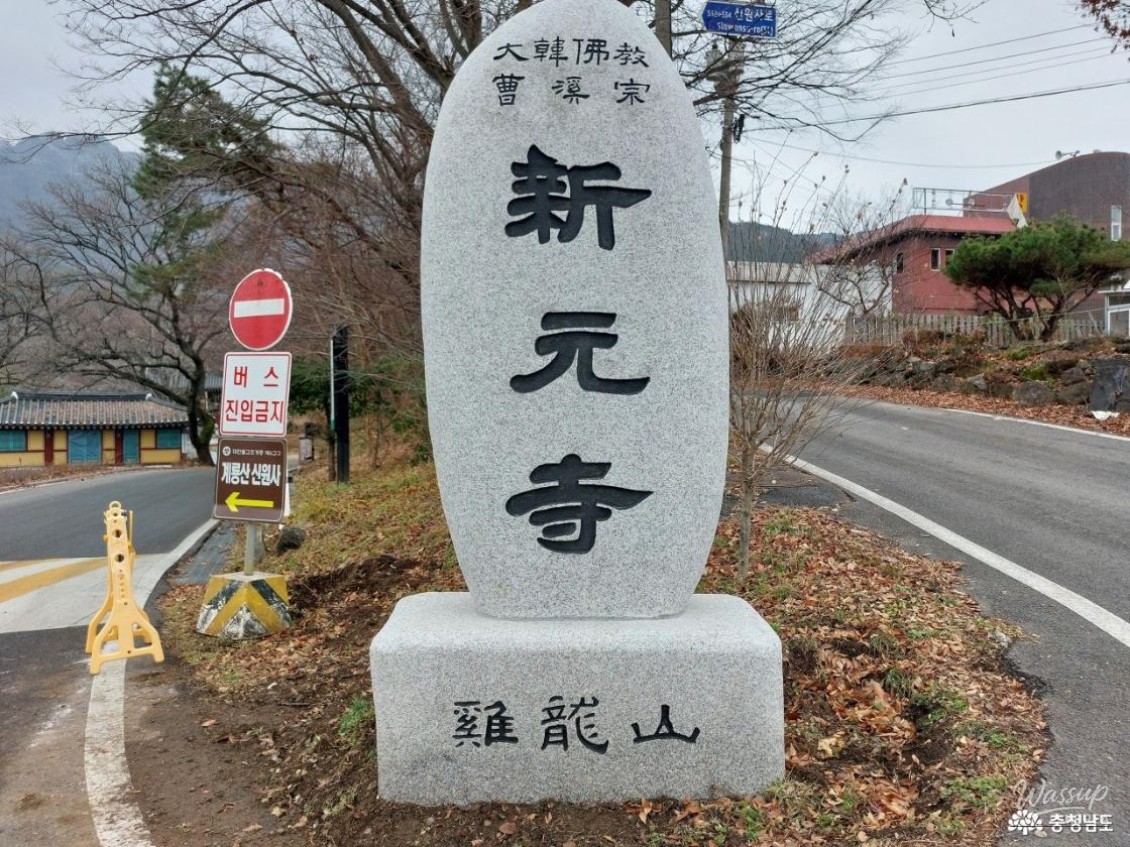
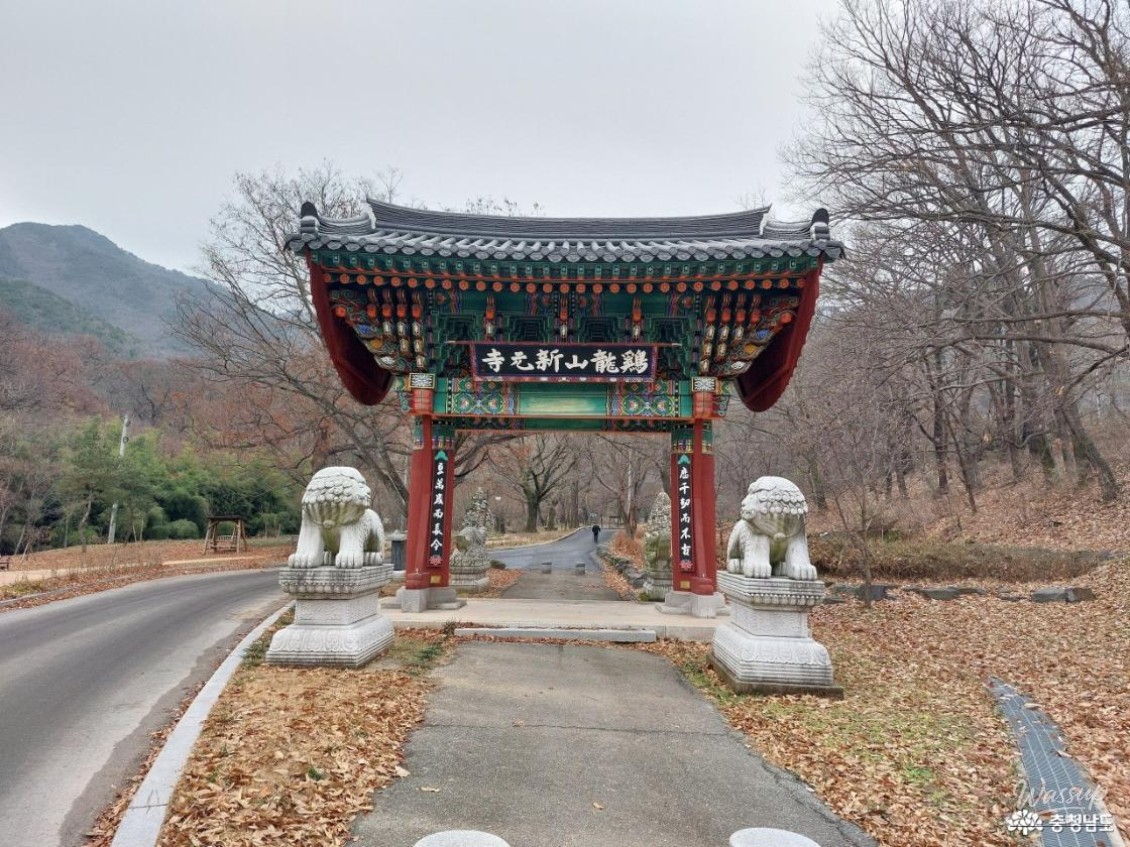
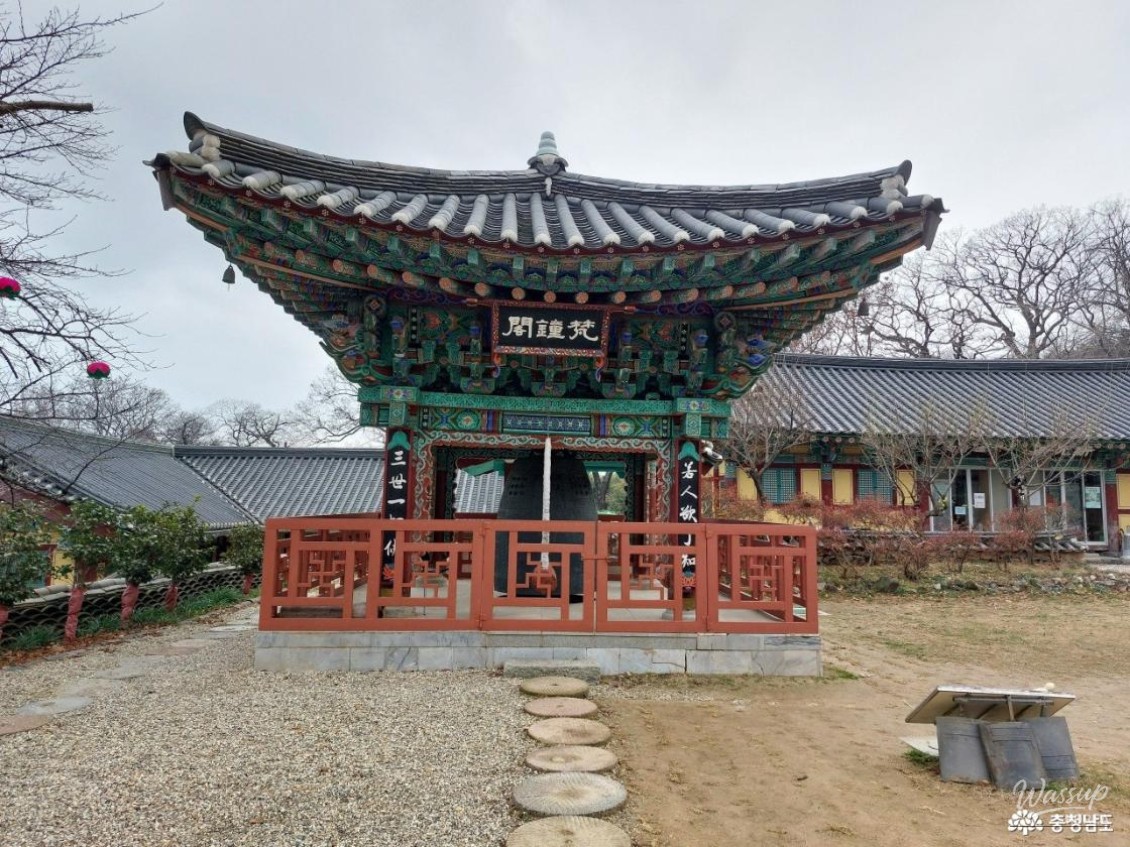
Sinwon Temple was established by the monk Bodok, a national master who brought the teachings of the Nirvana Sect to the Baekje Kingdom. Walking through the Iljumun gate, the temple's long history is palpable. Even in winter, when the vibrant spring flowers have faded, the grand evergreens and stark, leafless trees stand as magnificent sentinels of the mountain.

A Meeting Place for Legendary Monks
Historical records suggest that Sinwon Temple was a significant center for Buddhist thought, attracting legendary figures like Wonhyo and Uisang. The core philosophy taught here focuses on the Nirvana Sutra, encouraging individuals to extinguish the fires of greed and attachment to transform the world into a peaceful pure land.
Treasures of the Daeungjeon Hall and the Reclining Buddha
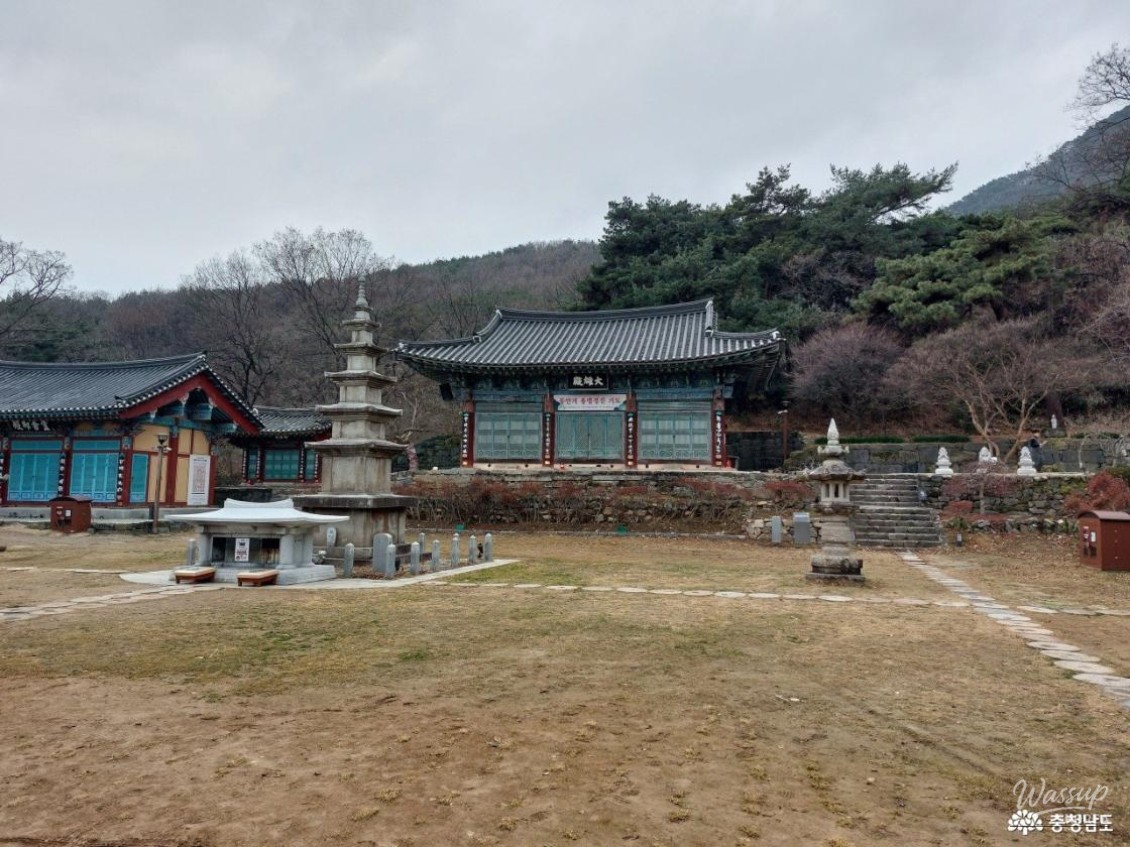
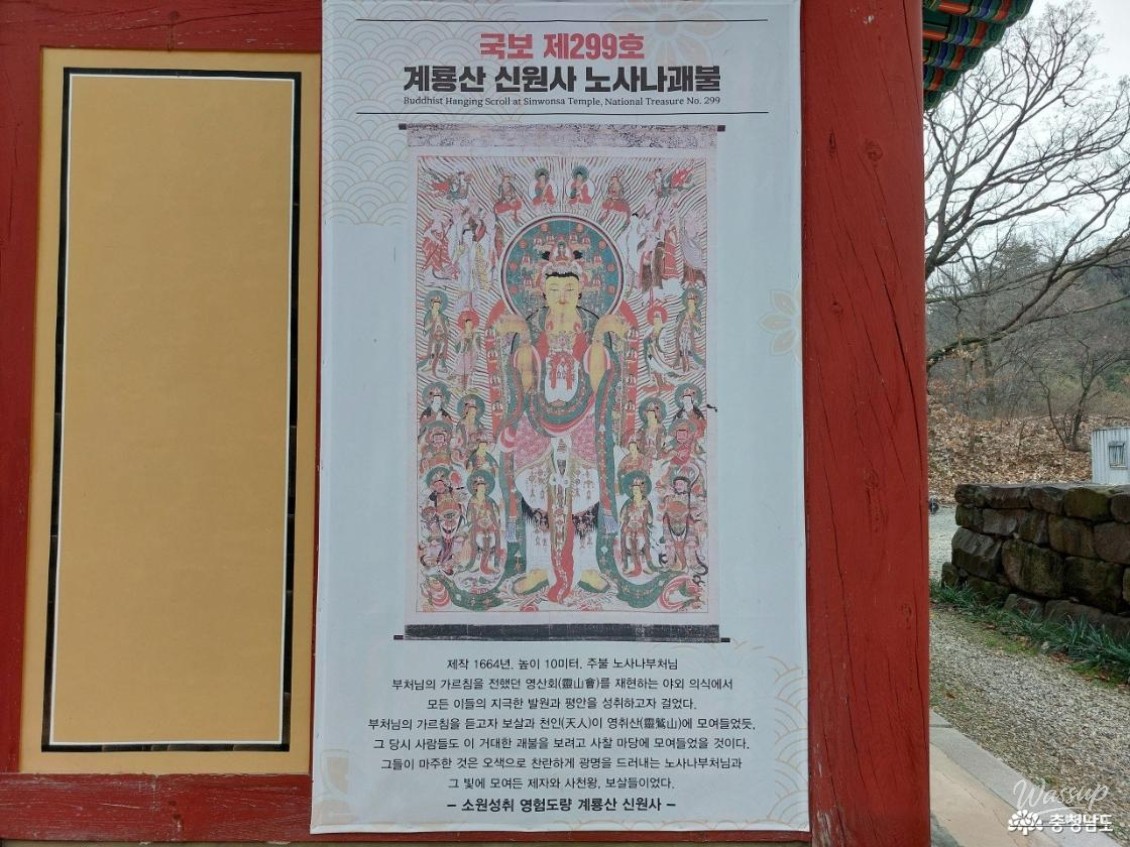
The Daeungjeon Hall houses remarkable artifacts, including a 10-meter-tall statue of the Nohsana Buddha dating back to 1664. This massive cultural treasure was used during outdoor ceremonies to pray for national peace and the fulfillment of the people's deepest wishes.
Nature's Artistry: The Mountain Reclining Buddha
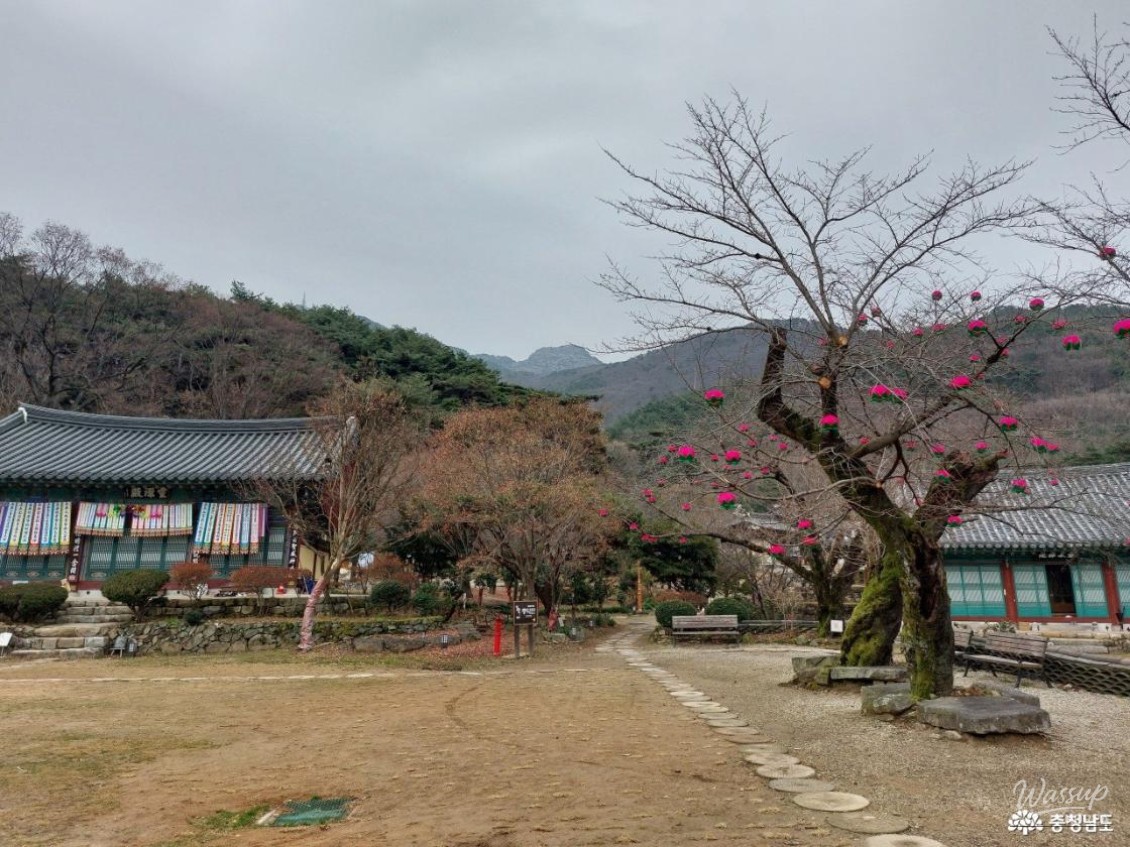
One of the most captivating sights at Sinwon Temple is the natural silhouette of the mountain itself. From a specific vantage point near the main hall, the ridges of Gyeryongsan resemble a reclining Buddha. Despite the growth of the forest, the facial features remain visible, beautifully accented by red lanterns hanging from winter branches.
Jungakdan Shrine: Where Empress Myeongseong Prayed
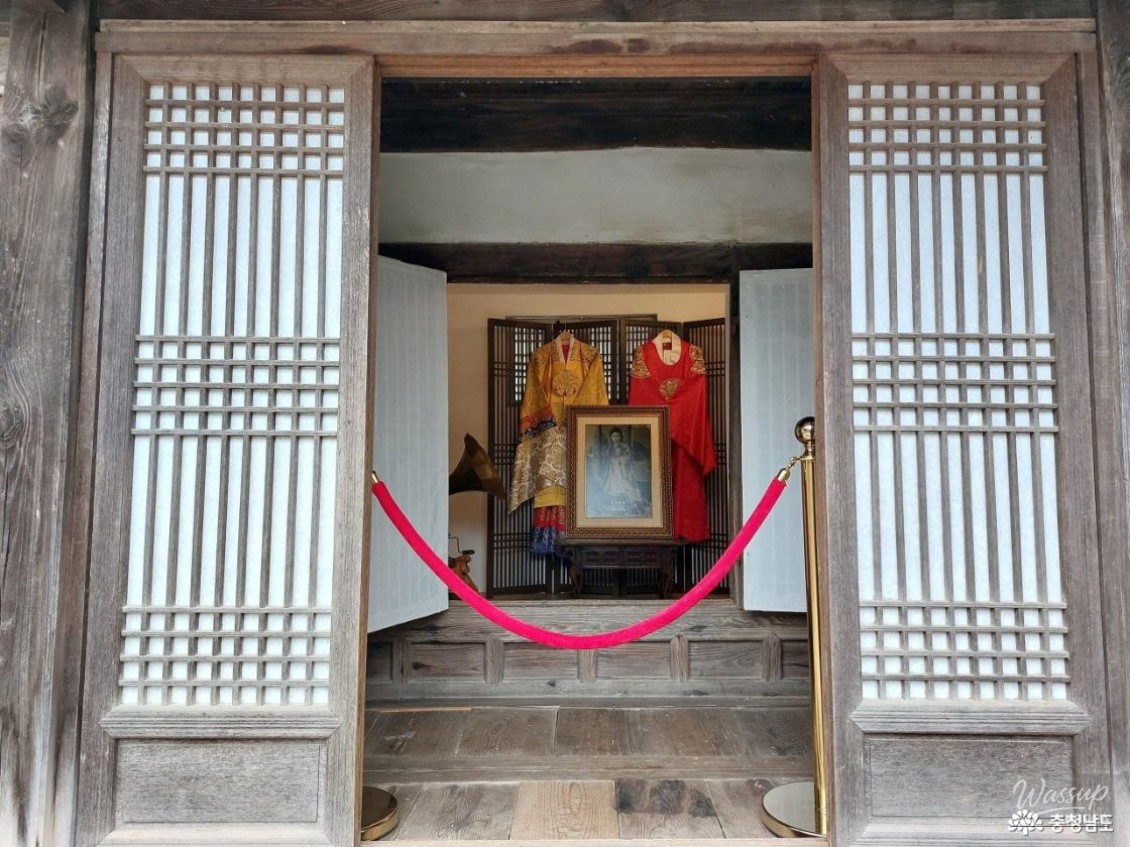
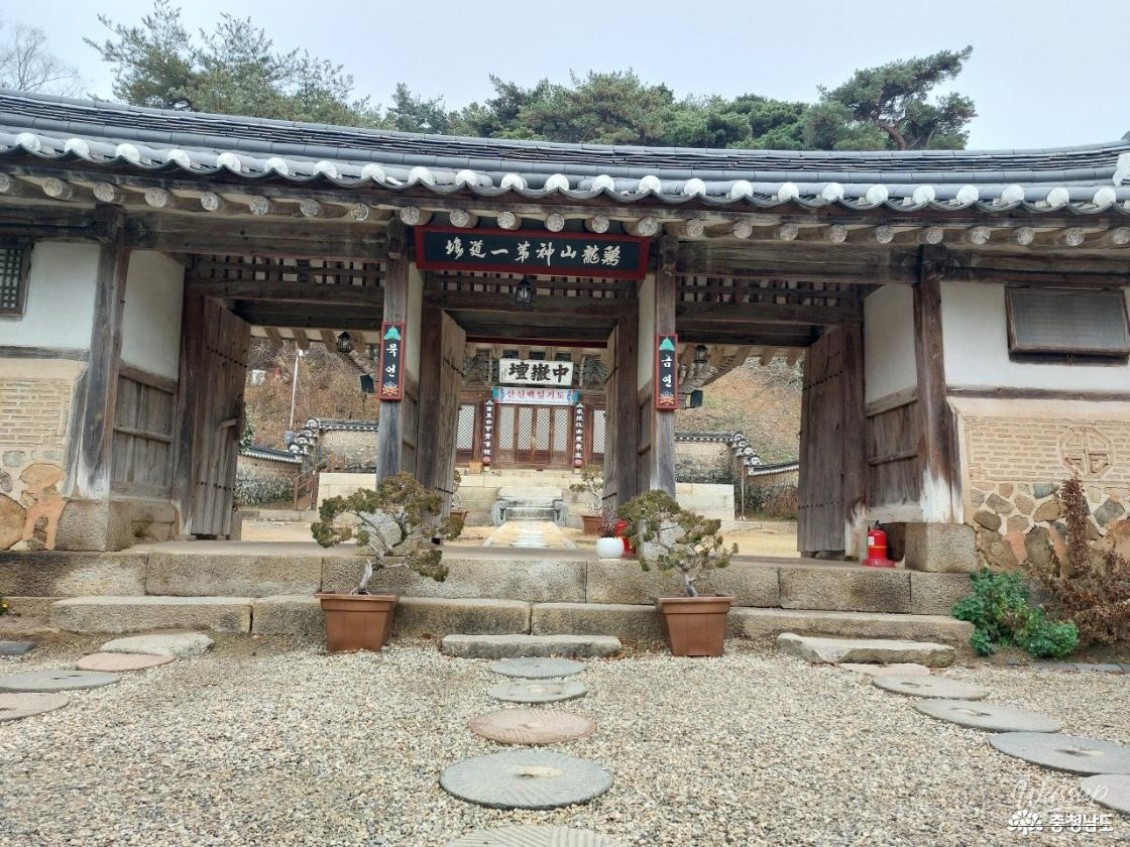
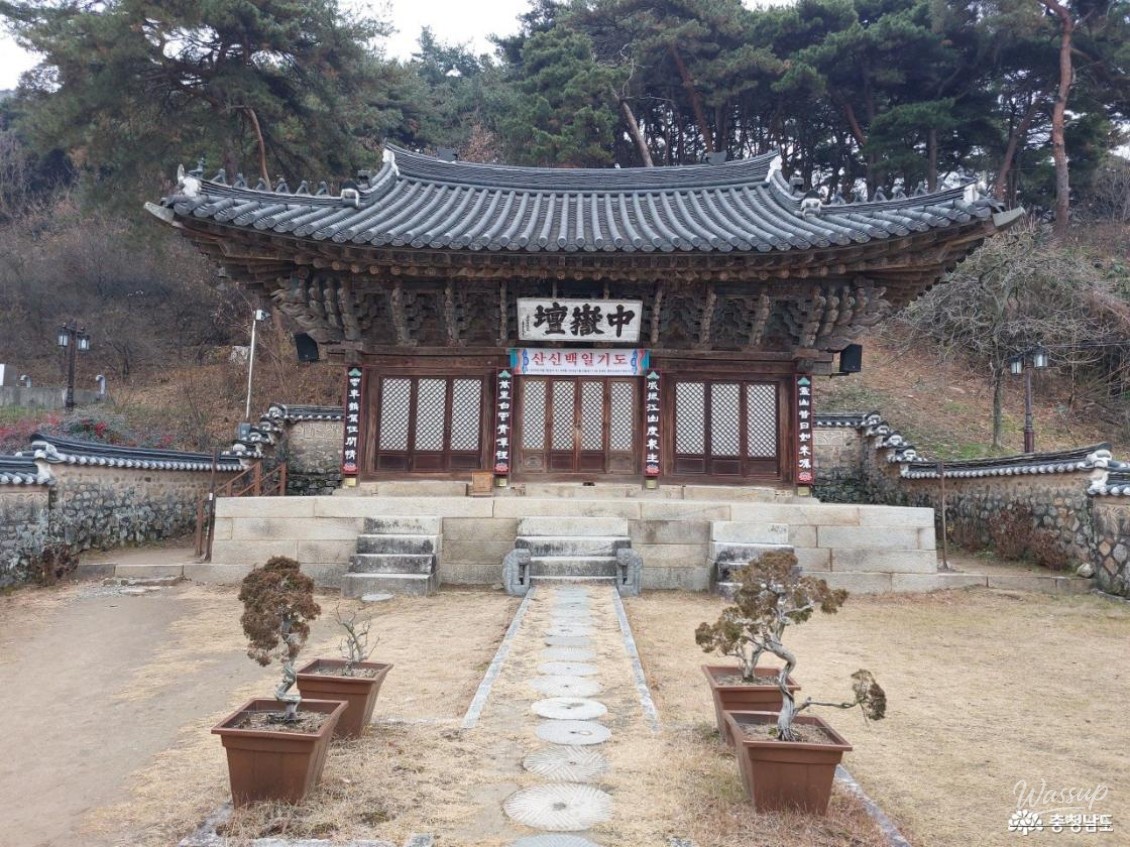
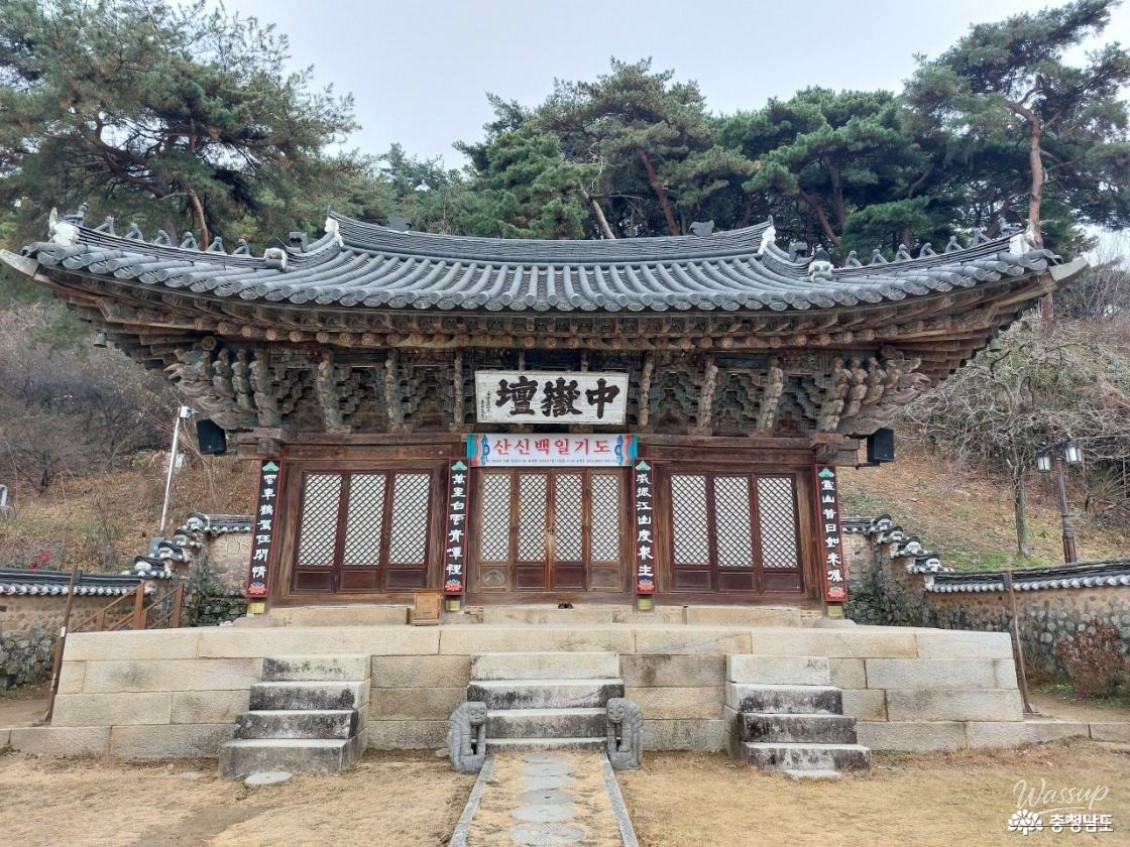
Jungakdan Shrine (Treasure No. 1293) is perhaps the most famous site within the temple complex. Originally established by King Taejo to worship the mountain deity of Gyeryongsan, it was later reconstructed in 1876 by Emperor Gojong and Empress Myeongseong. The empress, facing immense political pressure and personal tragedy, sought spiritual strength within these walls.
A Sacred National Shrine of Mystical Energy
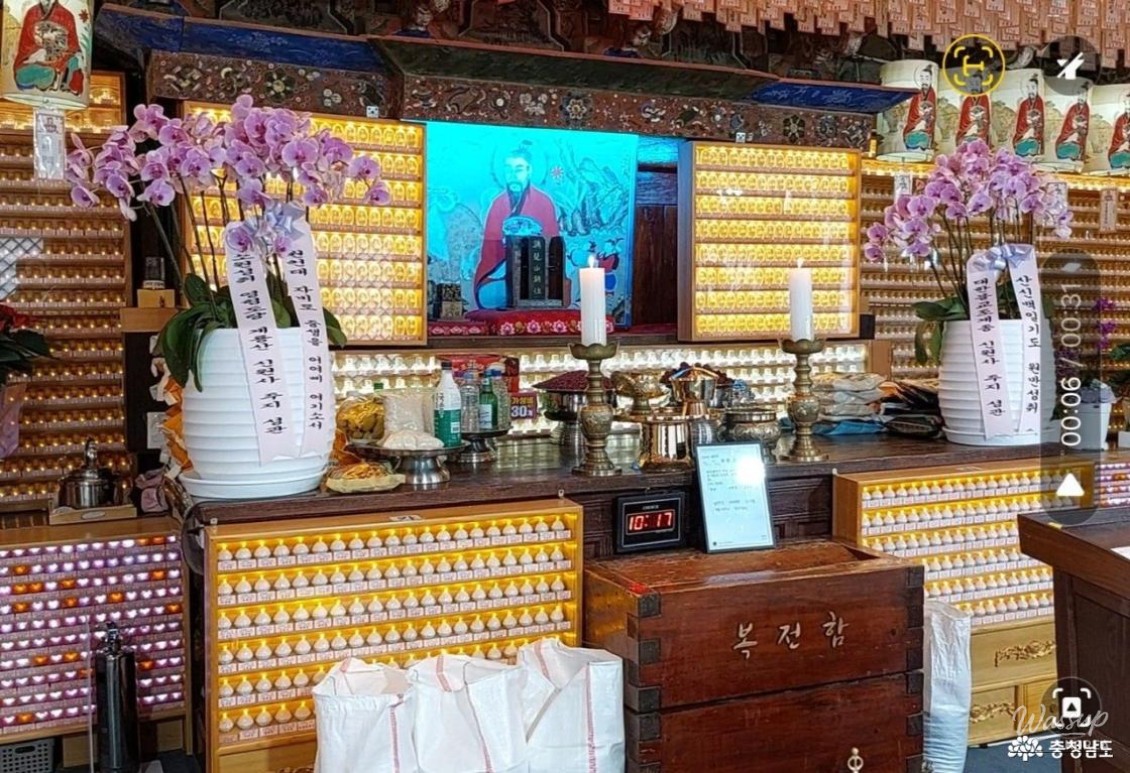
As one of the three major national shrines in Korea, Jungakdan is a focal point for those seeking the powerful "Ki" (energy) of Gyeryongsan. The internal structure is unique, featuring a central altar dedicated to the "Gyeryongsan Deity," flanked by paintings of tigers and young attendants, creating a distinct atmosphere compared to standard Buddhist halls.
Finding Peace in the Details of the Temple Grounds
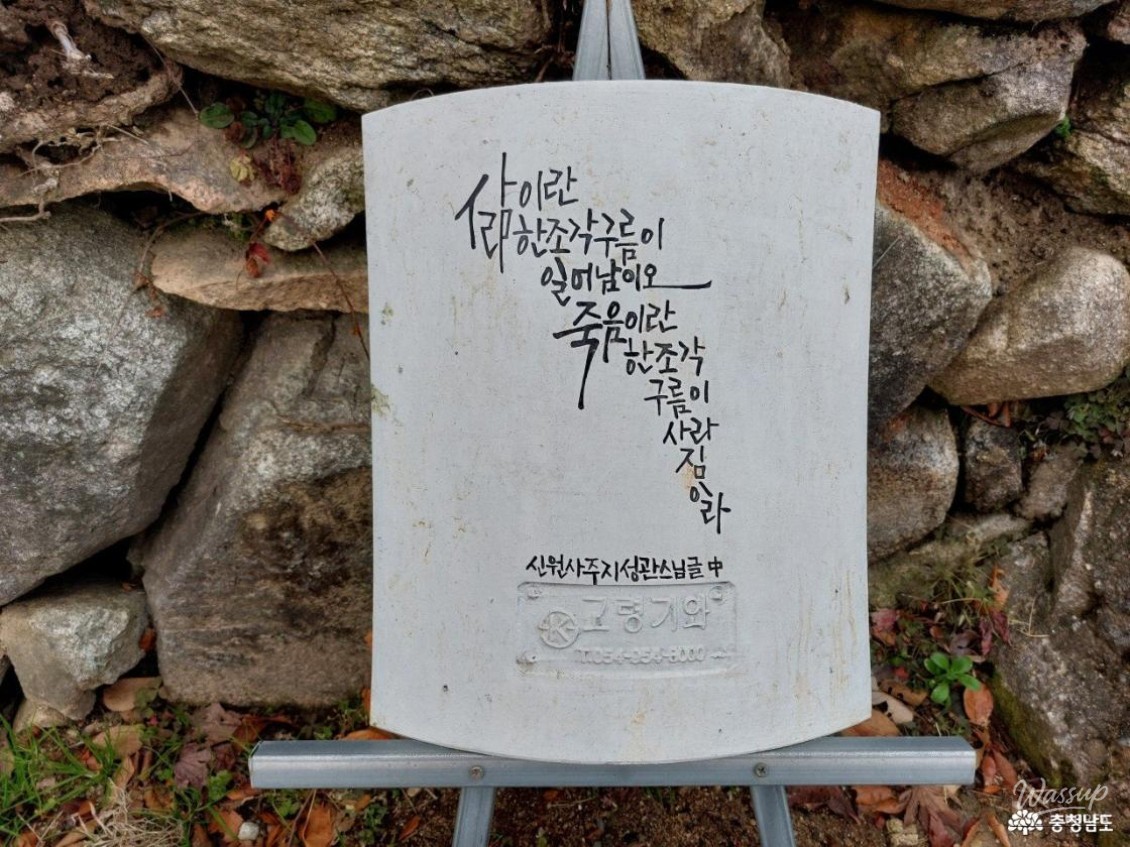
Beyond the major shrines, the small details of Sinwon Temple offer their own form of healing. Roof tiles inscribed with poetic phrases and good wishes line the paths, reflecting the thoughtful spirit of the monks who reside here. A walk around the grounds is a meditative experience that calms the heart.
A Winter Destination for Reflection
The combination of royal history, natural mountain beauty, and deep Buddhist philosophy makes Sinwon Temple a must-visit destination in Gongju. It is a place where history isn't just recorded in books but is felt in the very air and the stones of the shrines.






Have you ever visited a place where you could truly feel the mystical energy of the mountains? If you are planning a trip to Gongju, we also recommend visiting the nearby Magoksa Temple for its beautiful forest paths. What kind of wishes would you leave on a roof tile at Sinwon Temple?
No comments yet.