Exploring Seonlimsa Temple in Boryeong


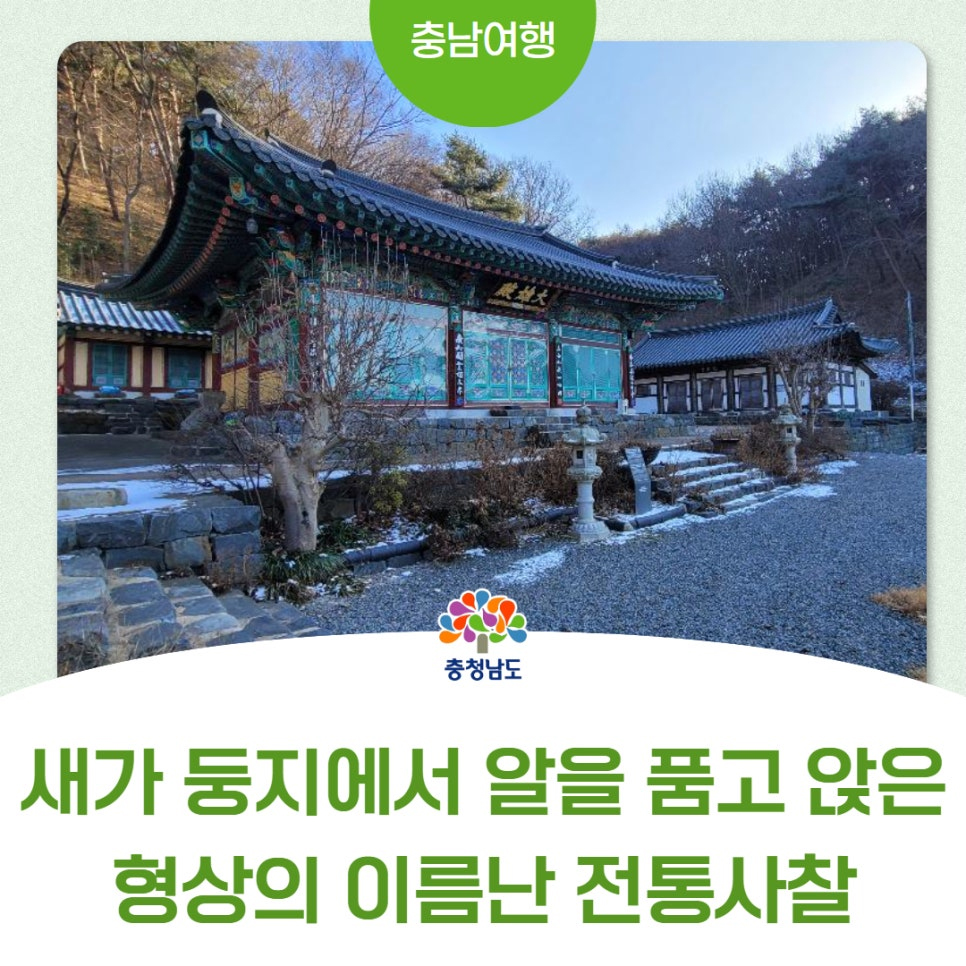
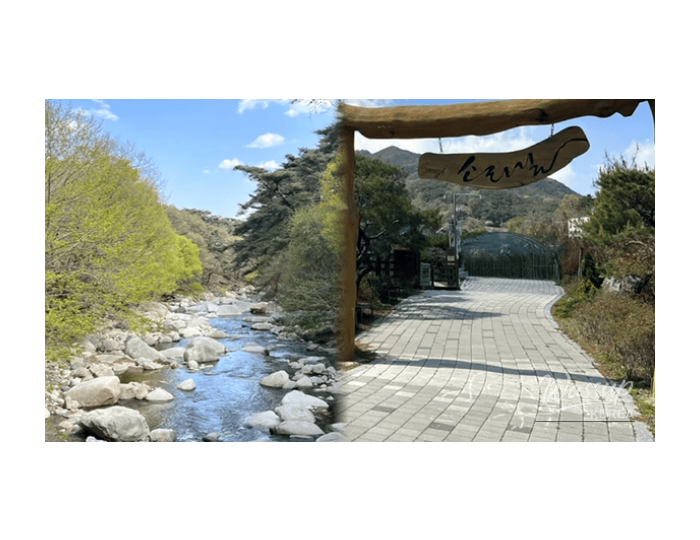
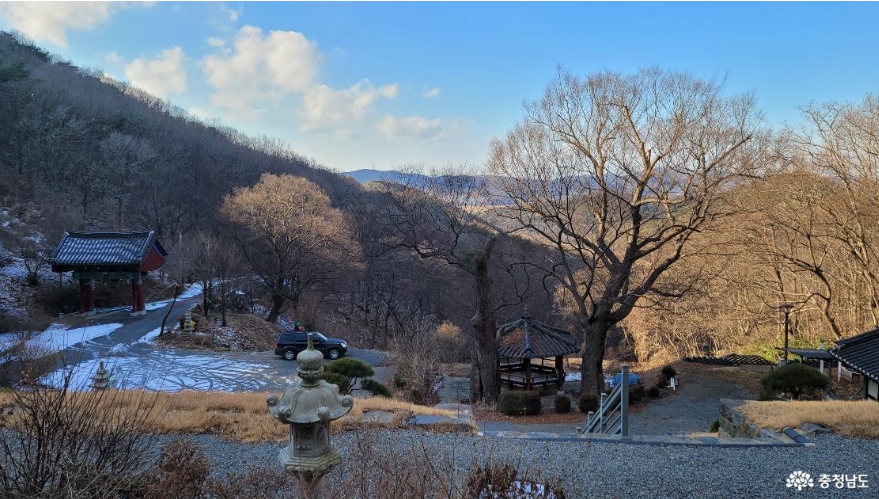
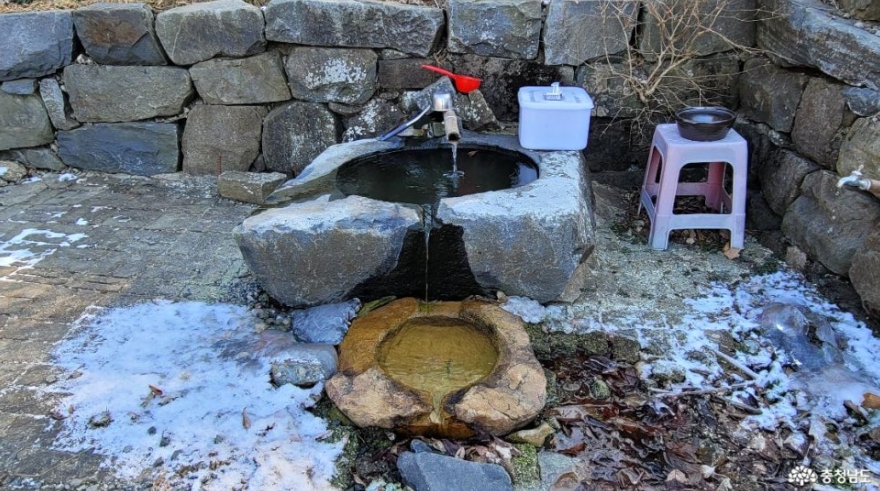
Before reaching Seonlimsa Temple, this valley curls up like a bird's nest, cradling a small temple within. The sign at the Iljumun gate reads 'Oseosan Seonlimsa,' and the sweet scent of the spring water that rushed here ahead of winter fills the air.

A sip of this refreshing water clears the mind throughout the seasons, washing away the bitterness from the tongue and bringing the mountain's essence down the throat. It feels as if it has known me for a long time as I slowly descend.
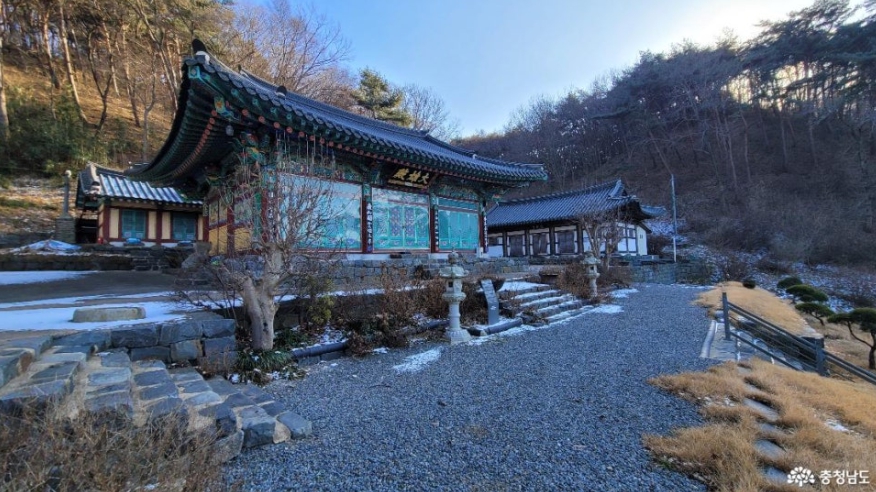
Climbing the terraced slopes, I reach the Daeungjeon Hall, where sunlight glimmers on the beautifully carved flower lattice. The calm waves ripple along the plastic covering used to ward off the cold.
Inside the Daeungjeon, the chilly air greets me alongside the wooden statue of Avalokiteshvara, reflecting the craftsmanship of artisans from the late Joseon period. Here, the expression of 'stability' resonates as a welcoming phrase.
Ascending another level to the Samsunggak, a small structure with thick pillars reaching skyward, it suggests that the true master of this mountain is still the Mountain God, who watches visitors with the eyes of a tiger.
Seonlimsa Temple, affiliated with the Jogye Order, is located near the historic site of Chungcheong Suyeongseong in Boryeong, surrounded by low hills of about 100 to 200 meters in height, resembling a bird sitting on its nest, known for its serene atmosphere.

The temple is said to have been founded during the reign of King Jinpyeong of Silla, attributed to the monk Damhwa, though no precise records have been found to support this. In 1860, renovations were made to the Mountain God Hall, and wooden statues from the late Joseon period suggest that the temple was maintained since the Goryeo era.
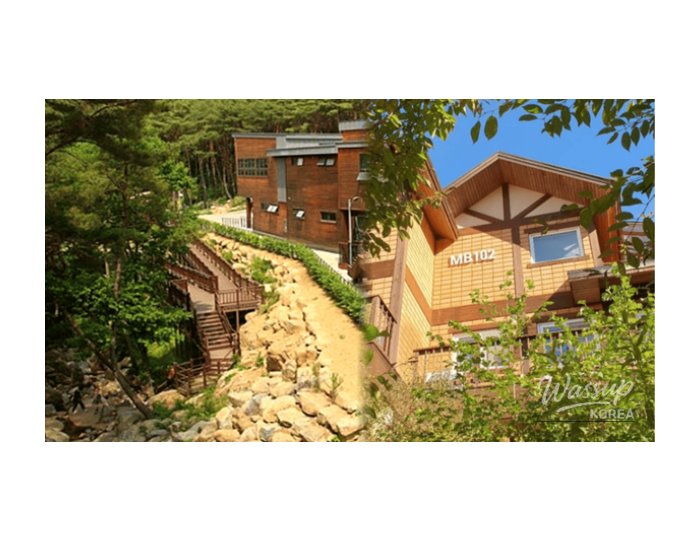
The layout consists of four terraced levels, with the Daeungjeon Hall at the center, flanked by the Samsunggak behind and the accommodation hall beside it. The Iljumun gate, marking the temple's entrance, features the sign 'Oseosan Seonlimsa,' with the surrounding spring water being quite famous.
Upon entering the Daeungjeon, which has a three-bay front and a two-bay side, the intricately carved flower lattice at the entrance is captivating. Inside, the main altar houses a wooden statue of Sakyamuni Buddha, classified as a cultural heritage of Chungcheongnam-do, showcasing the artistic style of the late Joseon period.
The Samsunggak is a modest structure with a hip roof, adorned with unique pillars, housing paintings of the Seven Stars, Mountain God, and Earth God. The belief in the Mountain God is significant in Korean Buddhism, often constructed before the main hall, reflecting both traditional faith and community reverence.
Seonlimsa is also home to legends, including the tale of a powerful man named Choi who disobeyed the Mountain God and faced consequences, leading to the establishment of rituals to appease the deity.
The temple is nestled in a picturesque location, offering views of the sea, with a shrine dedicated to the symbol of loyalty from the Baekje period nearby.
Source :https://blog.naver.com/sinmunman/224173258213
No comments yet.