Exploring Korean Traditional Music in Yeongdong: A Journey Through Sound and History
- Place
- Nangye Korean Music Museum
- Region
- Yeongdong-gun, Chungcheongbuk-do
- Original source
- blog.naver.com


About a year ago, a drama based on Korean traditional music (Gugak) after the Korean War was aired.
The drama was titled 'Jeongnyeon'.
It told the story and coming-of-age of Jeongnyeon, a naturally gifted singer who dreams of becoming the best female Gukgeuk (traditional Korean opera) actress.
During a recent trip, while listening to well-known melodies, I was struck by the beauty of our traditional sounds.
After discovering the charm of Gugak, I often find myself listening to it. This time, I'm visiting Yeongdong-gun, a city that promotes Gugak.
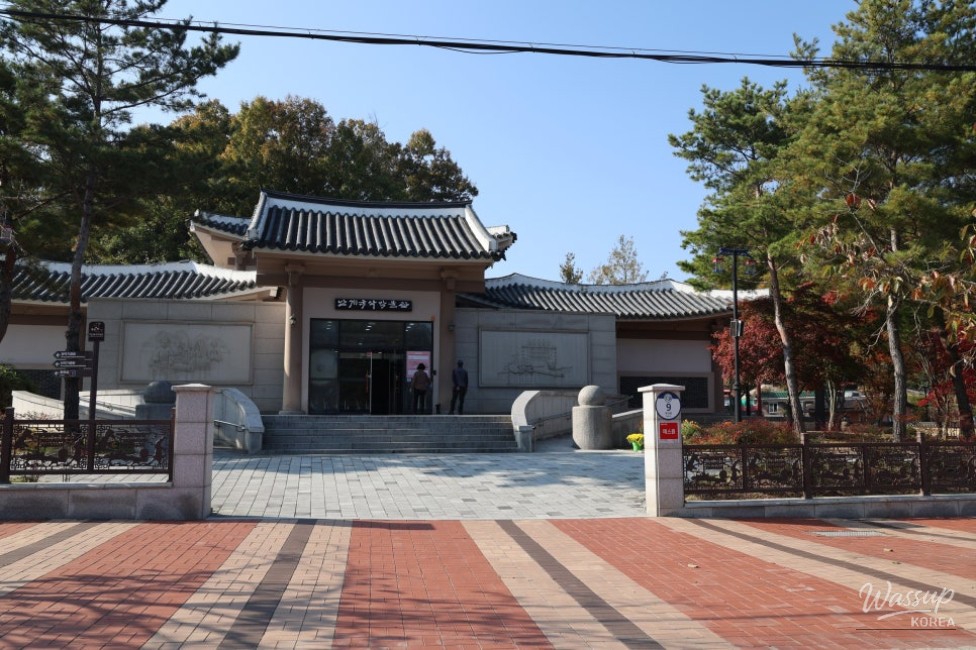
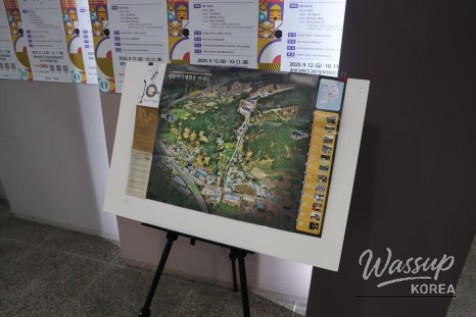
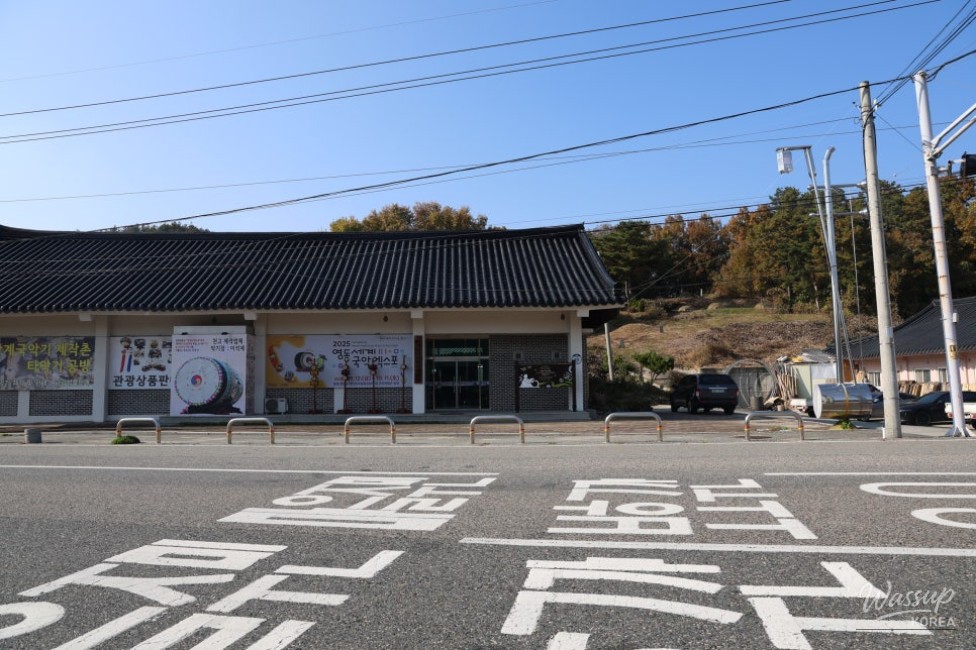
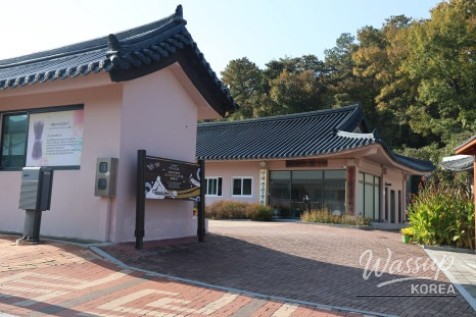
Before entering Yeongdong-eup in Yeongdong-gun, you'll find the Nangye Korean Music Museum, which tells the story of the sounds of Yeongdong.
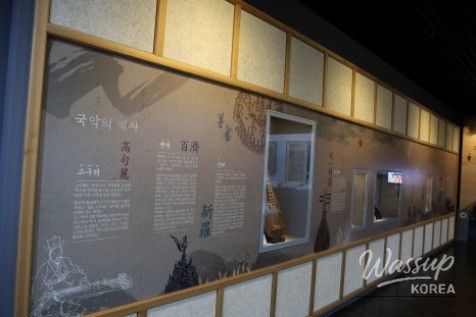
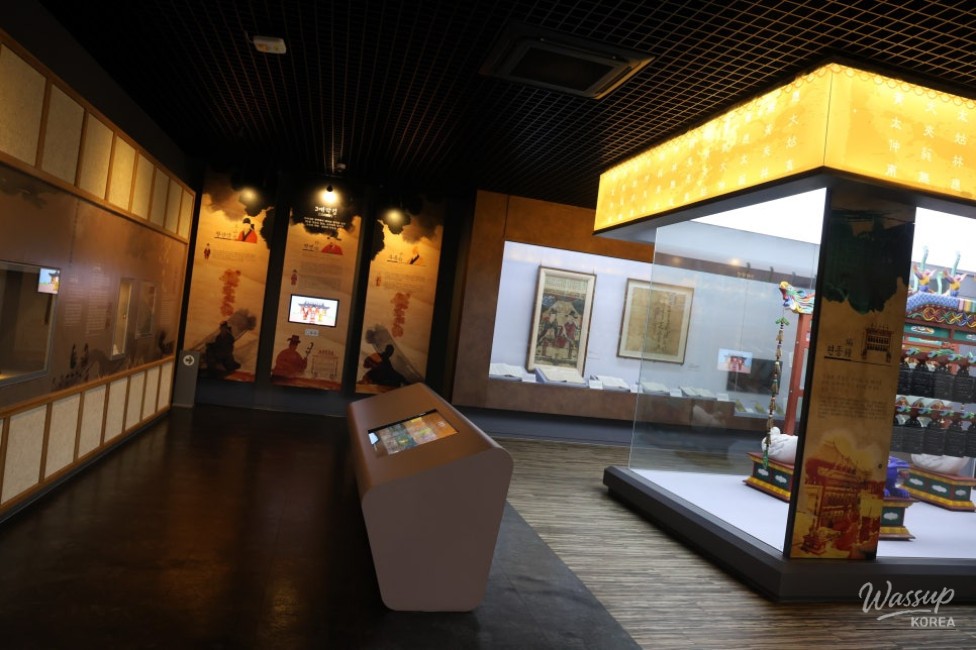
It is the only museum in Korea where you can view and experience Gugak exhibitions, a place for education where you can learn about the status of Gugak, its history, and systematic knowledge and information.
Nangye Park Yeon is considered one of the three greatest musicians in Korean history, along with Wang San-ak of Goguryeo and Ureuk of Silla.
Born in Yeongdong, Chungbuk, Park Yeon was a civil official and musician in the early Joseon Dynasty. His tomb is located not far from the Nangye Korean Music Museum.
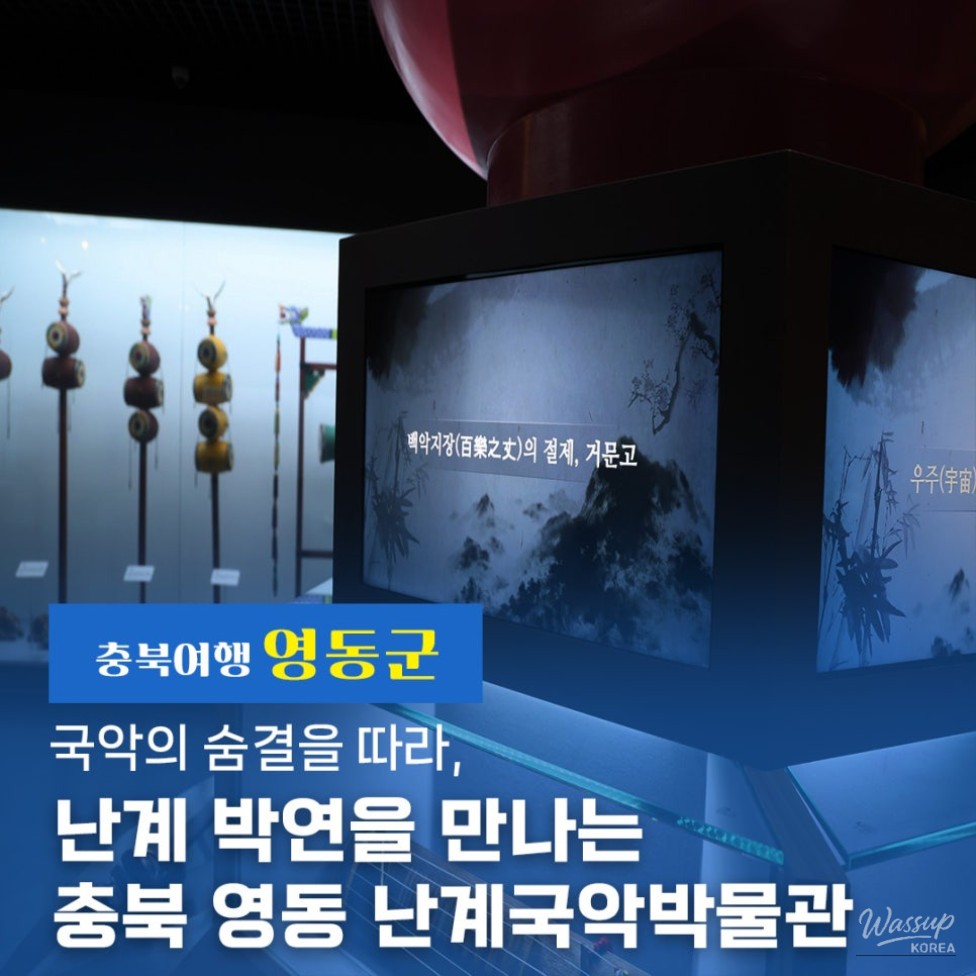
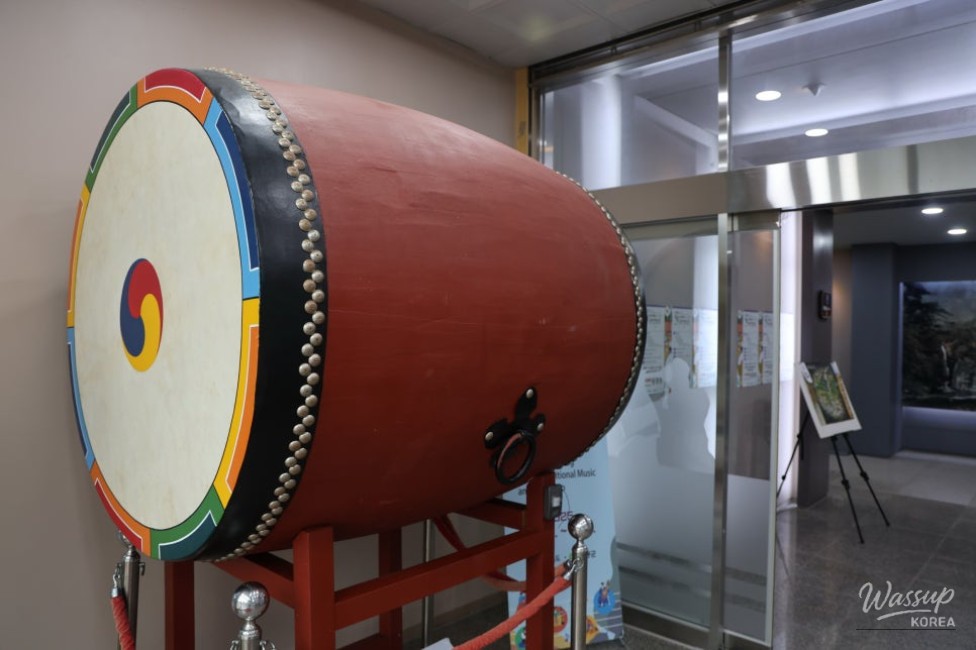
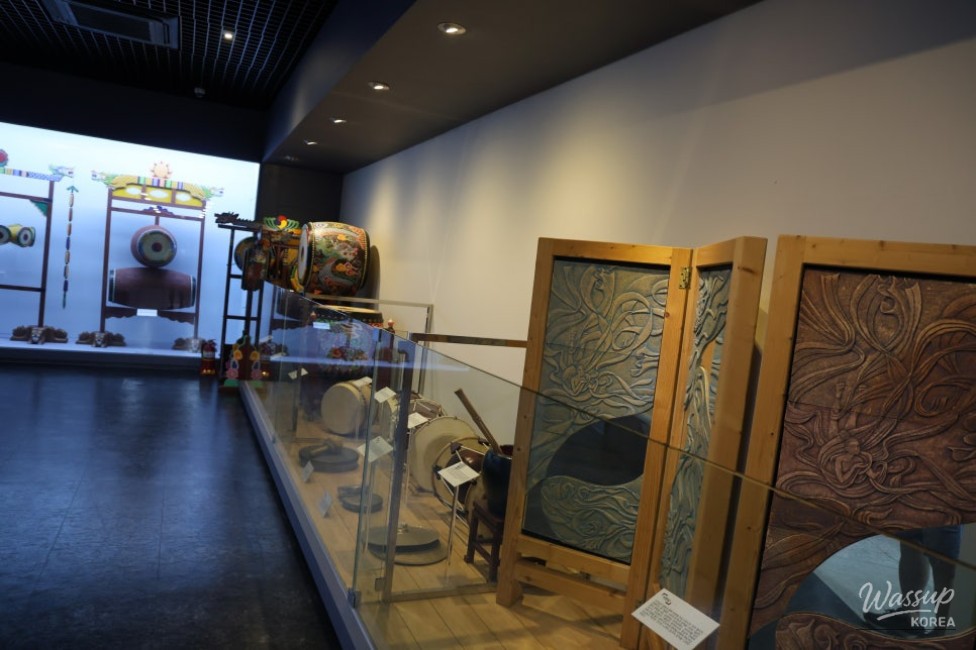
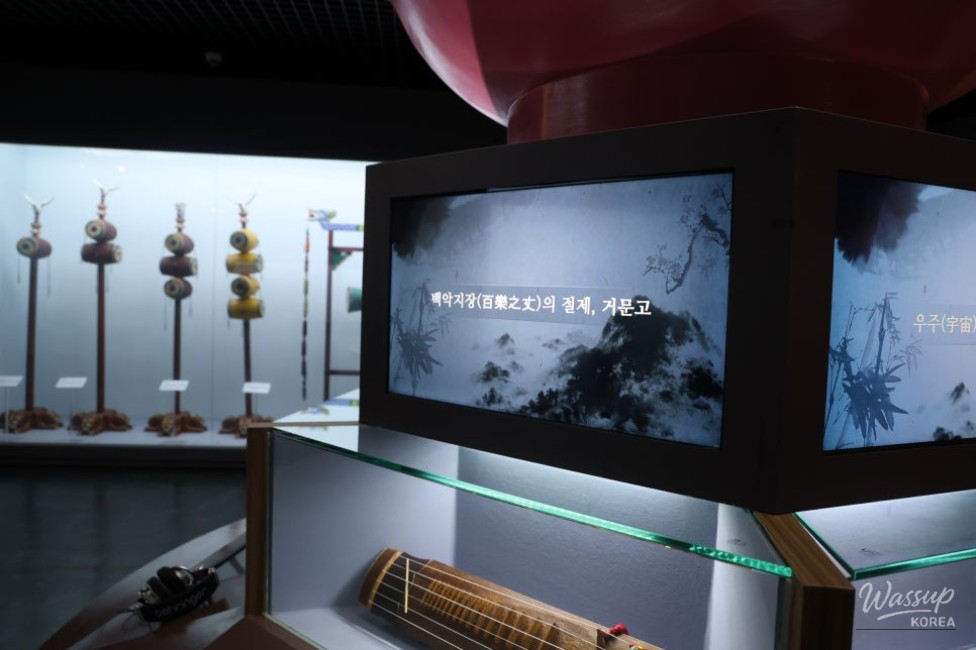
The Gugak Hall displays wind instruments such as the Daegeum and Nabal, string instruments such as the Gayageum, Haegeum, and Bipa, and percussion instruments such as the Jing, Buk, and Pyeongjong.
Over 80 different Korean traditional instruments, as well as folk instruments from around the world, are on display.
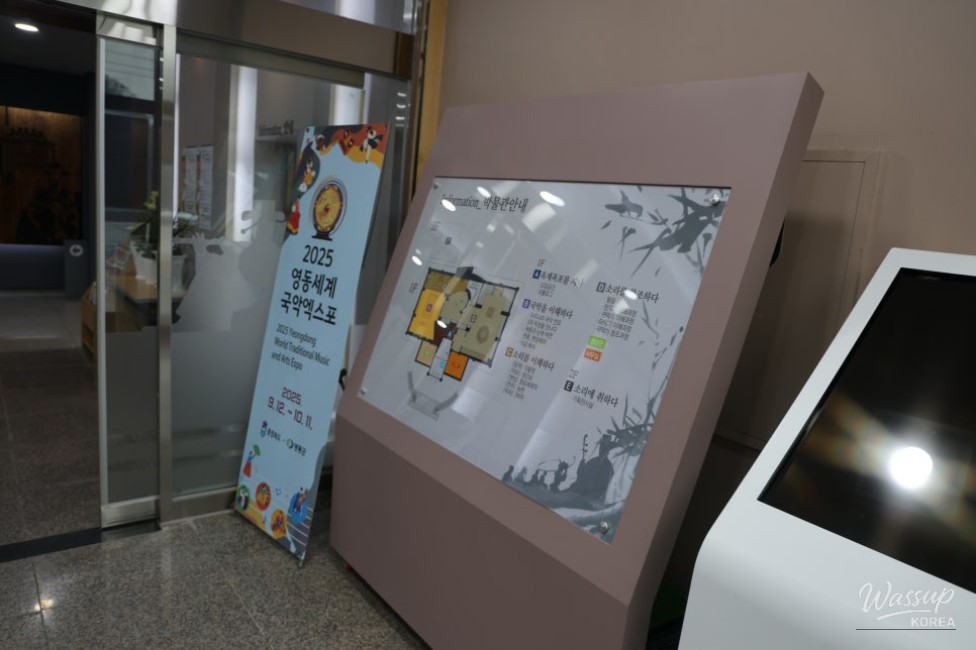
The 2025 Yeongdong World Traditional Music Expo, a major event not only for Yeongdong but also for Chungcheongbuk-do, aimed to expand Gugak into an industry. It featured various exhibition halls, including the Gugak Industry Promotion Hall and the Gugak Theme Hall, which presented the history of Gugak in an engaging way.
The expo attracted a total of 1.06 million visitors, highlighting the value of Gugak.
In Yeongdong, the Nangye Korean Music Museum, Nangye Korean Musical Instrument Manufacturing Village, and Yeongdong Gugak Experience Village have been established to promote our music widely, showcasing the history of Gugak's development and completion, including the creation of court music and the making of Pyeonggyeong (a set of tuned stone chimes).
You can see some unique instruments and indirectly experience the history of music played in Korea, even if they are not common instruments today.
The Gayageum and Geomungo are arguably the most frequently played instruments in Korean Gugak.
The Geomungo has been used since the Goguryeo Dynasty and is still used today. It was widely used in both the royal court and among the common people until the Joseon Dynasty.
The 'Geomun' in Geomungo means Goguryeo, and 'Go' is an ancient word for stringed instrument.
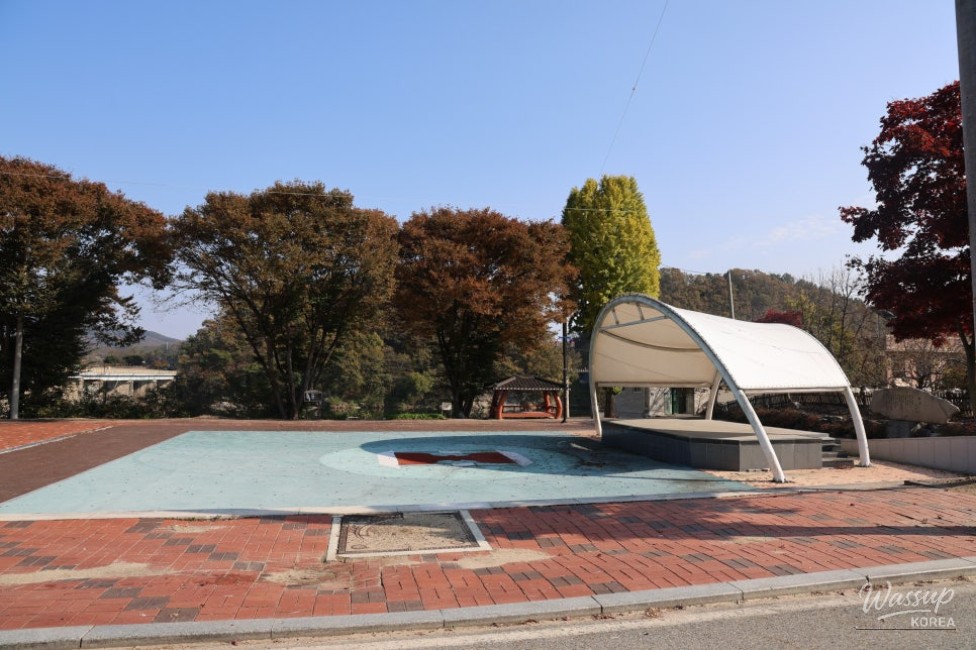
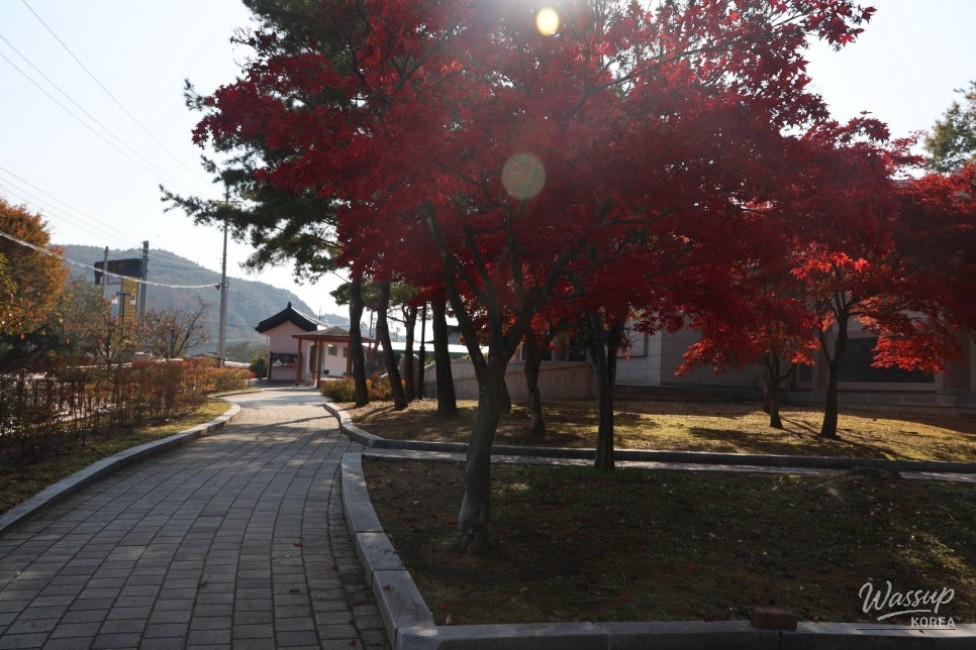
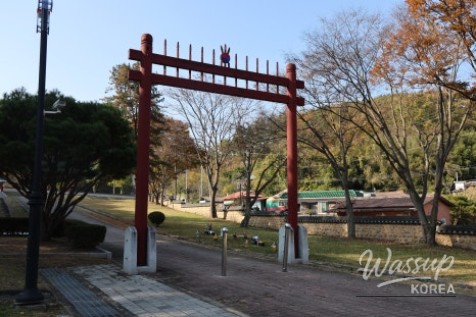
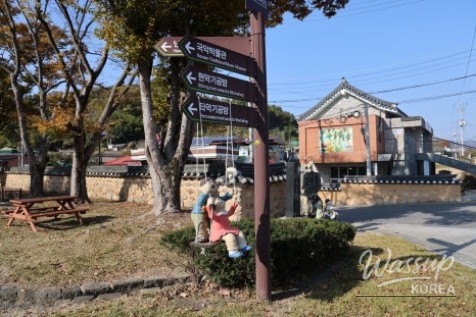
The area around the Nangye Korean Music Museum in Yeongdong-gun has well-maintained walking trails, making it a great place to visit in the fall.
Near the Nangye Korean Music Museum, you can find the Nangyesa Shrine, which houses the portrait of Park Yeon, one of Korea's three greatest musicians, and learn about the process of making stringed instruments.
Park Yeon was skilled at playing the Piri (Korean oboe), laid the foundation for Gugak in the early Joseon Dynasty, and was granted a horse for his contribution to creating Hoeryeak (court banquet music). He held various official posts and rose to the position of Daesejehak (Grand Scholar) of the Yemungwan (Office of Royal Decrees).
During the closing ceremony of the recent Yeongdong World Traditional Music Expo, Chungcheongbuk-do and Yeongdong-gun declared 'Yeongdong, a City of Korean Traditional Music Culture'.
This has become an opportunity to strengthen the policy and institutional foundations so that Gugak can establish itself as a cultural language connecting generations, regions, and the world.
The temperature has dropped sharply, making it feel like winter has arrived.
It feels like only yesterday that traditional and fusion Gugak were harmonizing amidst the scent of wine, but time has passed, and November is coming to an end.
Why not listen to the beautiful Korean sounds that are good to hear after a long time and experience the deep emotions of Korea?


Source :https://blog.naver.com/cbkb21/224083473302
More from Travel




No comments yet.