Exploring Goeasan: The Historic Yeonpung Hyanggyo
19-3, Hyanggyo-gil, Yeonpung-myeon, Goesan-gun, Chungcheongbuk-do
연풍향교


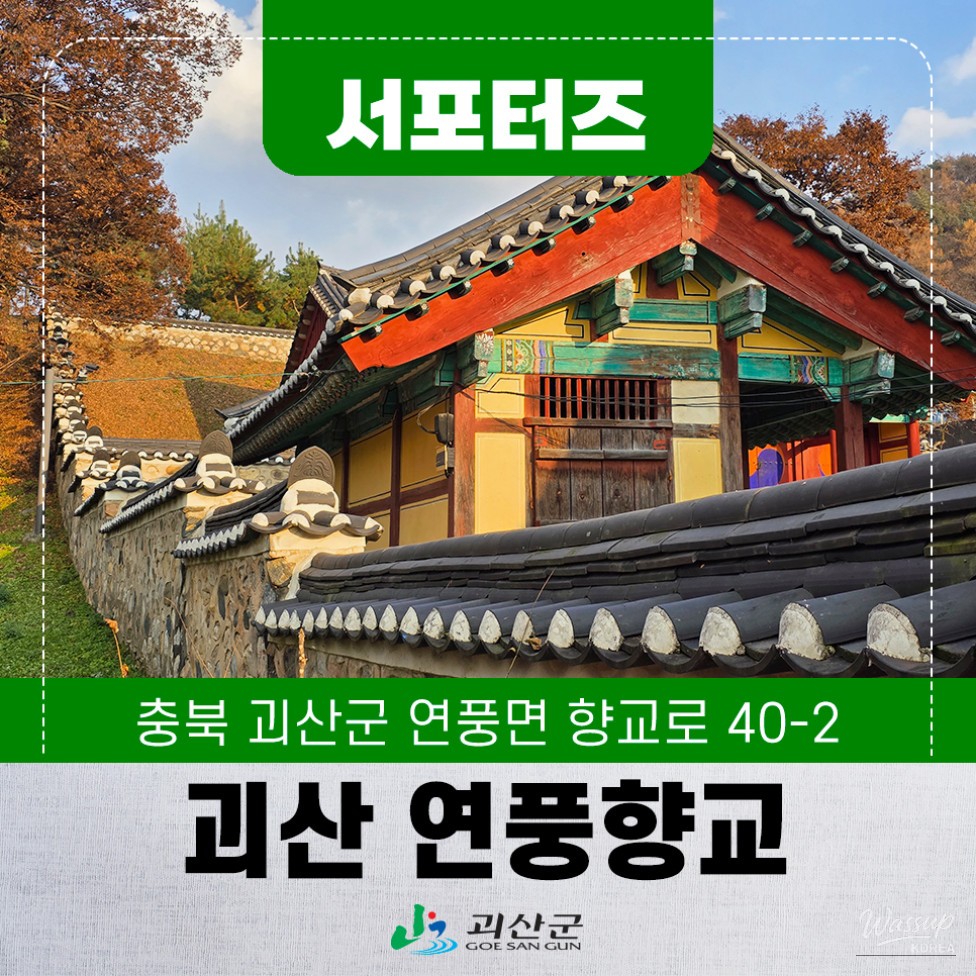
Yeonpung Hyanggyo, located in Gyochon Village, Goesan, stands as a serene testament to Korea's Confucian heritage. Originally serving as a public educational institution during the Joseon Dynasty, it now preserves the solemn traditions of ancestral rites and Confucian teachings.
Designated as a provincial cultural heritage material, this site offers a glimpse into traditional architecture and historical resilience. From the symbolic 'Hamabi' stone to the carefully restored halls like Myeongnyun Hall and Daeseongjeon, a visit here is a peaceful journey through time.
A Sanctuary of Confucian Learning
Located in the quiet Gyochon Village of Goesan County, Yeonpung Hyanggyo(연풍향교) is a traditional school that embodies the spirit of the past. In the Goryeo and Joseon dynasties, hyanggyos served as public secondary education institutions, focusing on instilling Confucian virtues such as benevolence, righteousness, and propriety in students.
The site exudes the elegance unique to traditional Korean architecture. The curved tiled roofs harmonize with the surrounding nature, creating an atmosphere of beauty and tranquility. Even from outside the walls, seeing buildings like the Chung-hyo Hall gives visitors a sense of the scholarly dignity that once permeated this place.

The Meaning of Hamabi
Near the entrance, you can spot a stone tablet inscribed with 'Hamabi'. This marker signifies a place where visitors were required to dismount from their horses as a sign of respect. These tablets were typically erected at significant sites such as birthplaces of kings, tombs of generals, and educational institutions like hyanggyos and seowons.
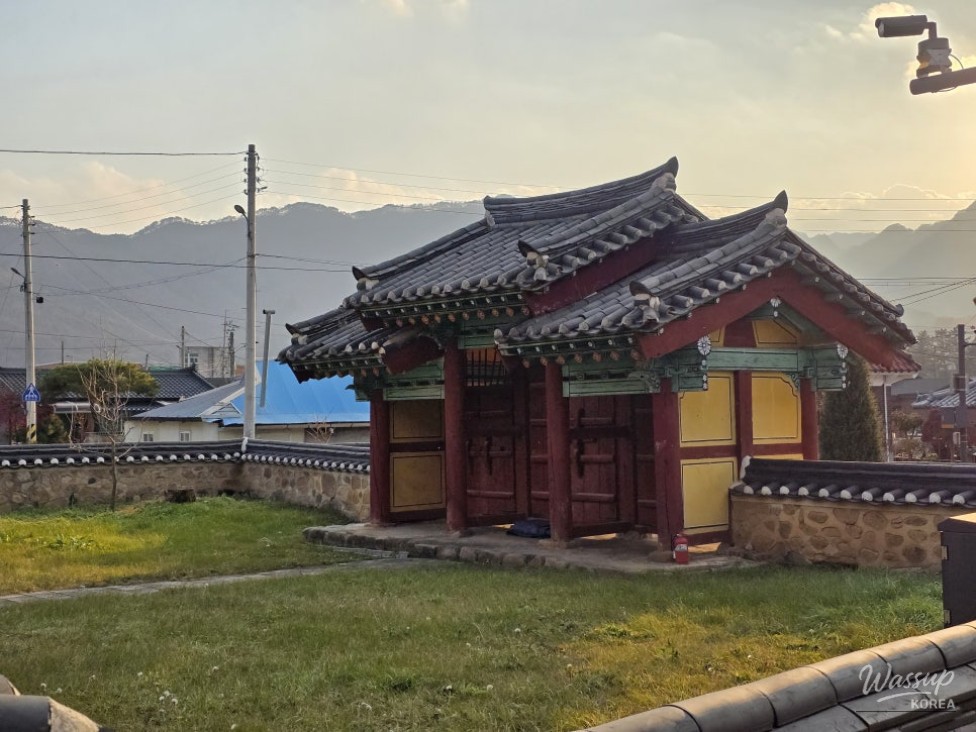
Passing through the red Hongsalmun gate and following the long path leads you deeper into the complex. Walking this path feels like stepping away from the modern world and entering a space dedicated to reverence and learning.

History of Resilience and Restoration
Yeonpung Hyanggyo is designated as Cultural Heritage Material No. 103 of North Chungcheong Province. Historical records from the 16th and 17th centuries mention its location and student capacity. A beam inscription found during restoration revealed that it was founded in 1628 by Hyun-gam Lee Su-yak and rebuilt in 1664.
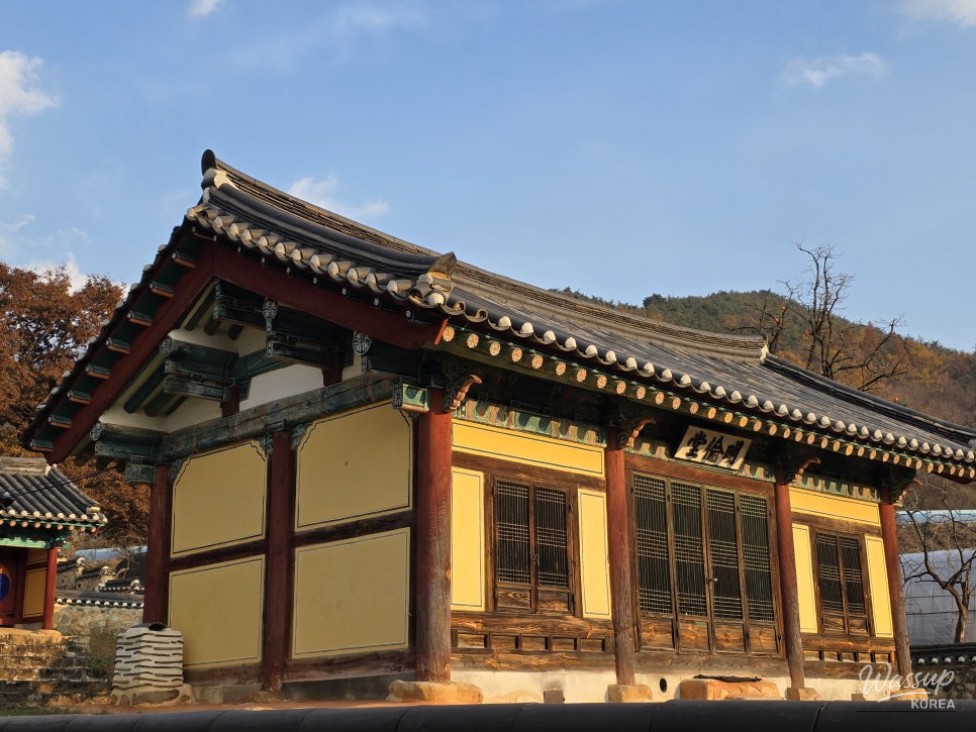
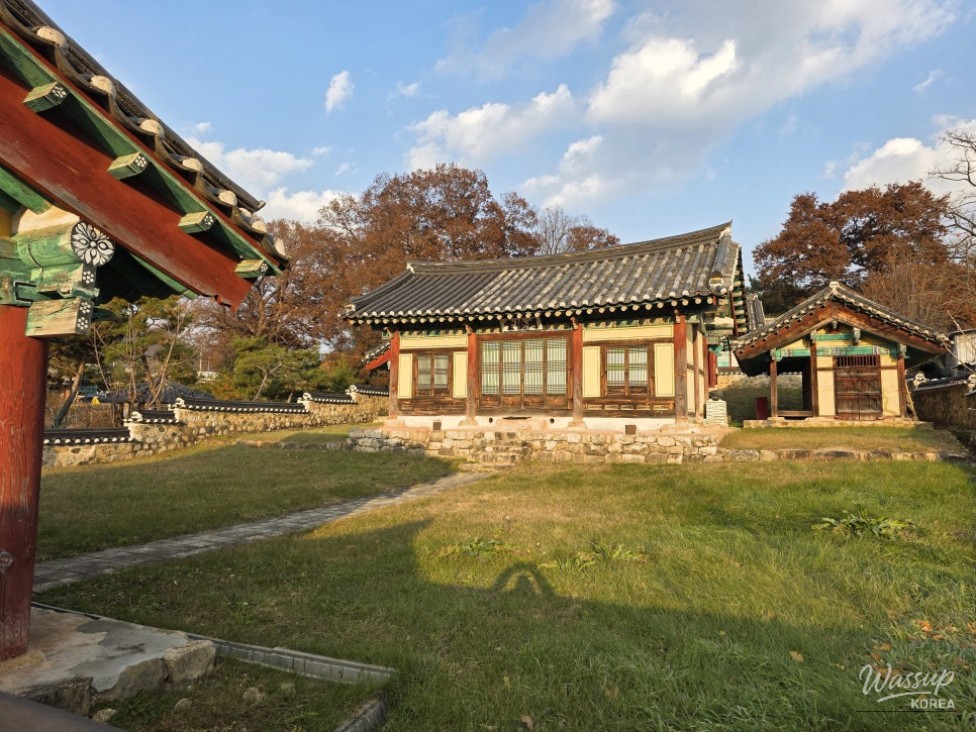
The complex follows the typical layout of placing academic buildings in the front and ritual halls in the back. It consists of essential structures such as Myeongnyun Hall, the dormitory spaces of Dongjae and Seojae, and the main shrine, Daeseongjeon. An inner gate separates the learning space from the sacred ritual space.

Preserving Tradition Today
Throughout its history, the hyanggyo faced destruction during the Imjin War and the Korean War, leading to the loss of several buildings. However, diligent restoration efforts in the late 1970s brought Daeseongjeon and Myeongnyun Hall back to their former glory.
Although its educational function ceased after the Gabo Reform in 1894, Yeonpung Hyanggyo continues to perform rituals for Confucius and other sages. If you visit Yeonpung-myeon, this site offers a meaningful opportunity to reflect on the values of the past amidst a peaceful setting.







No comments yet.