Exploring Buyeo: A Journey Through Baekje's Royal Tombs


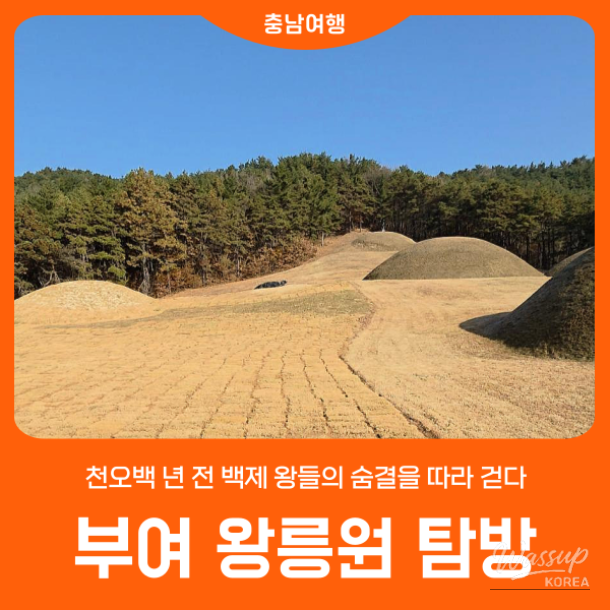
Located in Buyeo, Chungcheongnam-do, the Buyeo Royal Tombs are a significant part of the UNESCO World Heritage site known as the Baekje Historic Areas. This site, once referred to as the Neungsanri Tombs, served as the final resting place for the kings of Baekje during the Sabi period (538-660 AD), a time marked by both glory and decline.
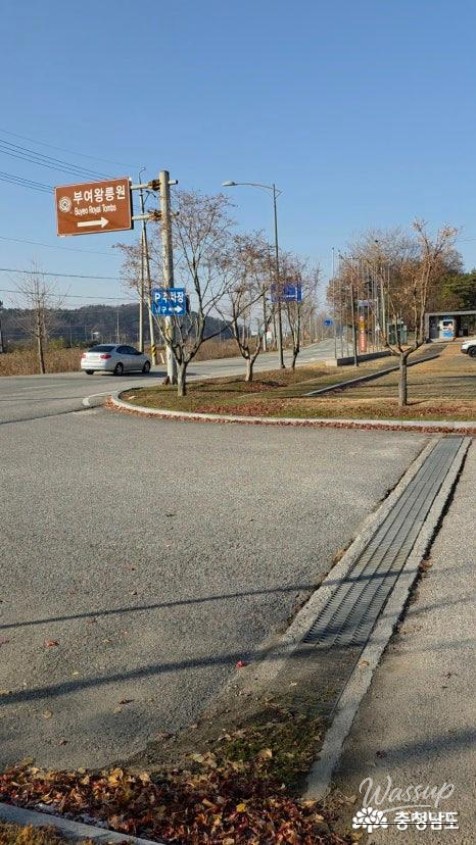
The entrance to the Buyeo Royal Tombs features a ticket booth that allows visitors to explore the rich history of Baekje for a modest fee. Along the walking paths, information engraved on the ground guides you through the footsteps of the Baekje kings.
The Buyeo Royal Tombs consist of seven large tombs arranged in two rows, surrounded by smaller ones, illustrating the scale of the royal burial grounds. Officially renamed in September 2021, the site emphasizes its significance as a royal tomb.
After losing their capital to Goguryeo in 475 AD, Baekje experienced turmoil until King Seong (26th king) restored power and moved the capital to Sabi in 538 AD, marking a new era. This period saw the flourishing of Baekje culture under remarkable rulers like King Seong, King Wideok, and King Mu, lasting approximately 122 years.
The tombs are primarily constructed in the stone chamber style, allowing for easy access to the interior after burial. Notably, the tomb known as Donghachoong (Tomb No. 1) features exquisite murals of the Four Guardian Deities, showcasing cultural exchanges between Baekje and Goguryeo.
Enhancing the experience, the Buyeo Art Museum offers a digital exhibition combining advanced ICT technology with art, allowing visitors to engage with the royal culture of the Sabi period. Key themes include VR galleries of the tombs, holographic displays of artifacts, and augmented reality experiences of the surrounding fortifications.
To the west of the Royal Tombs lies the site of Neungsanri Temple, where the National Treasure, the Baekje Bronze Incense Burner, was discovered in 1993. This artifact exemplifies Baekje's artistic excellence and religious beliefs.
The Buyeo Royal Tombs connect to the Buyeo Fortress, providing a scenic walking route that offers views of the historical landscape. The final resting place of King Uija and his son, Buyeo Yong, serves as a poignant reminder of Baekje's tragic end.
Visiting the Buyeo Royal Tombs is not just a journey through burial mounds but an exploration of the dramatic history of Baekje, capturing the glory and sorrow of a once-great kingdom.

No comments yet.