Exploring Anseom Port: A Hidden Gem in Dangjin



Summer is calling with the allure of the sea. At the summer beach, one can enjoy water activities to cool off and indulge in romantic walks along the sandy shore.
The vast sandy beach is lined with parasols, bustling with people enjoying the sea.
There are also places that greet visitors with seasonal landscapes. Dangjin boasts two beautiful seas.
Among them, I discovered Anseom Port, known for its picturesque scenery throughout the year.
Anseom Port is a tranquil harbor located in Godae-ri, Songak-eup, Dangjin City.
It features a waterfront park and a mural village, with the preserved shrine where the Anseom Fishing Festival has been held for many years.
Once an island until the 1960s, it showcases traditional culture famous for its autumn mudflat octopus.
A waterfront park has been developed along the curved coastline, leading to Dangjin Port and a well-known kalguksu (noodle) restaurant.
The waterfront park stretches along the beach, perfect for a leisurely stroll.
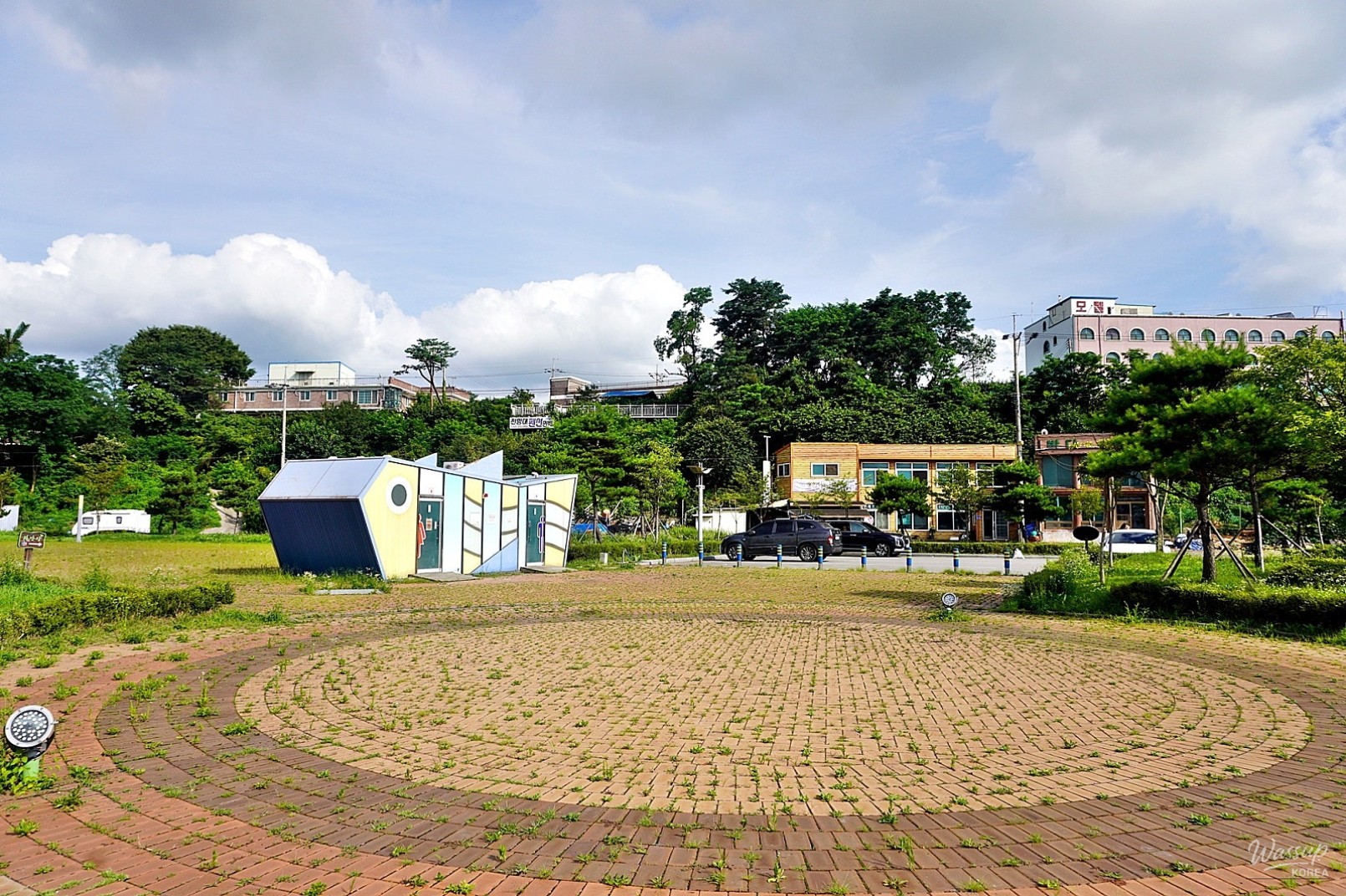
Colorful murals adorn the low wall that borders the beach, with green trees scattered throughout the outdoor stage and spacious plaza.
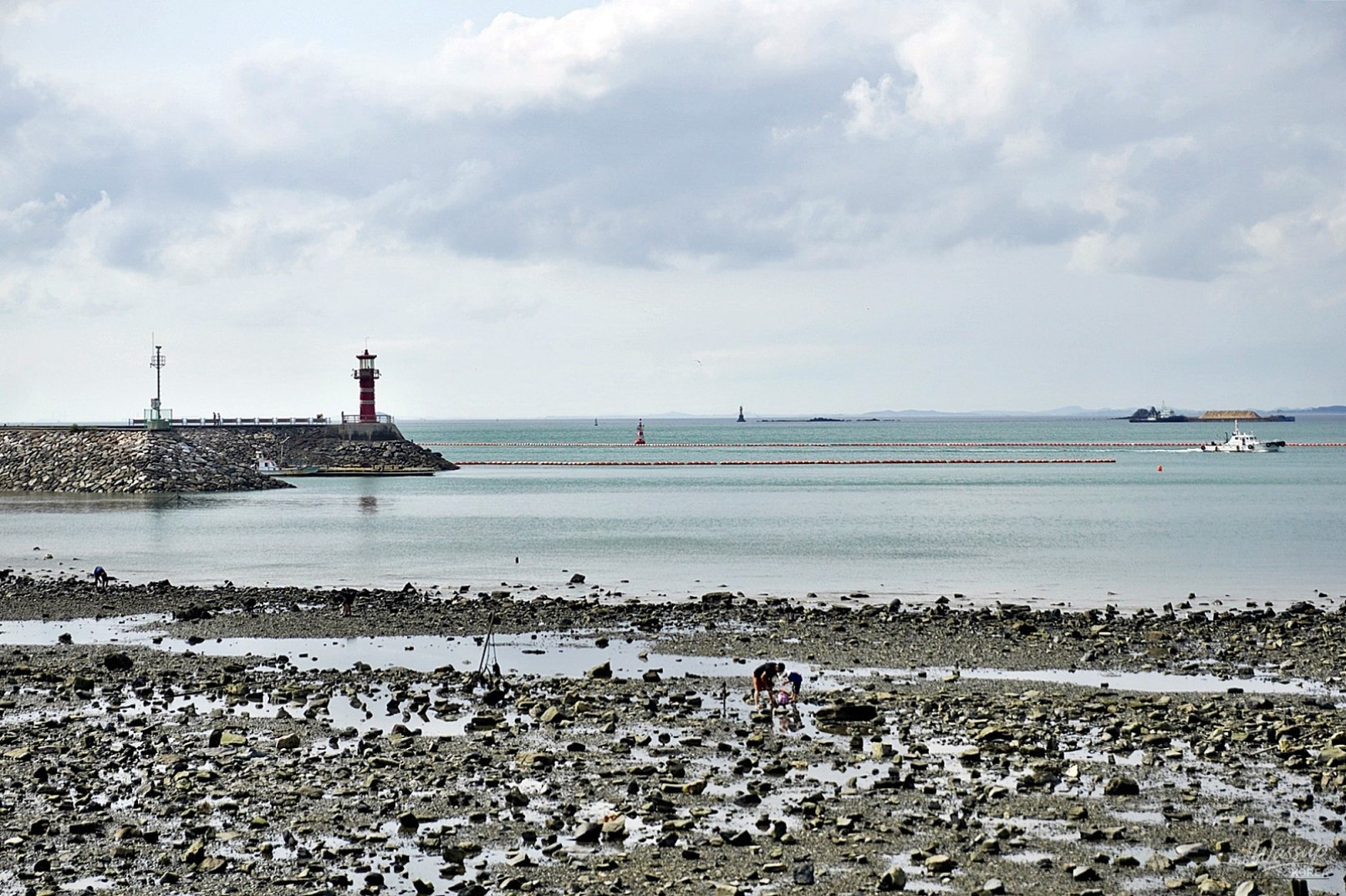
Twice a day, the tidal waters reveal the mudflats, with a red lighthouse visible across the way.
Hidden among the pine trees on the hill overlooking Dangjin Port is a small building.
This is the Anseom Fishing Festival, recognized as an intangible cultural heritage of Chungcheongnam-do. Anseom was once one of Dangjin's main fishing ports, known as Naedo.
Every New Year, rituals were held at the shrine to pray for a bountiful catch and the safety of fishing boats.
Designated as an intangible cultural heritage of Chungcheongnam-do, it continues to this day. The Anseom Fishing Festival is held publicly every March.
Anseom Port also guides visitors to the village fishing grounds of the ancient fishing community of Dangjin.
Lean fishing boats are docked, and the ebb and flow of the tides create a rich feeding ground.
The fleeting scenery of the rising and falling seawater is special, with the expansive mudflats becoming a playground for tourists exploring marine life.
The Anseom Fishing Boat, built in 1988, is docked here. Weighing 4.98 tons, it was the last wooden boat from Dangjin that fished for juvenile fish.
This boat embodies the lives of fishermen who have coexisted with the sea for many years, as well as the history of local fishing.
At the end of the waterfront park, there is a breakwater, with a beautiful red lighthouse at its tip.
The symbol of Anseom Port guides sailors along the vast seaway.
The red light blinks every four seconds, visible from about 11 km away.
As I reached the lighthouse, the sea hidden by the mudflats was revealed.
Gentle waves met the sky around the lighthouse.
When people think of Anseom Port, many immediately recall the kalguksu.
A street food village has formed around the breakwater near the red lighthouse.
Inside, which is surprisingly spacious, visitors can taste kalguksu and fresh seafood.
Finally, I continue my walk to discover the secret spaces of Anseom Port.
Facing the red lighthouse is another red lighthouse at Dangjin Port.
Dangjin Port is a national security facility and an international trade port, prohibiting photography and public access.
The Dangjin Port Support Center is just beyond the fence along the path.
Once famous for its autumn mudflat octopus, the old port is now home to industrial facilities and a trade port.
Lean fishing boats dock here, and the waterfront park allows for light strolls along the beach while viewing the mudflats. It was a peaceful harbor journey.


Source :https://blog.naver.com/dangjin2030/224367737573
No comments yet.