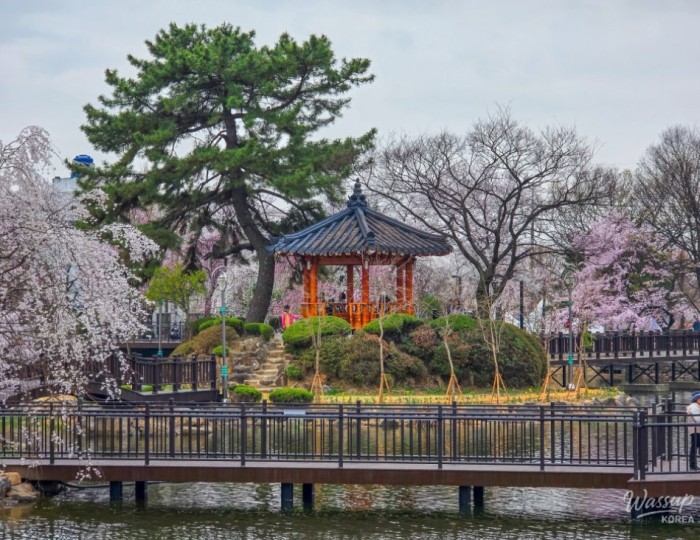
Exploring Aehanjeong Pavilion in Goesan



[ Goesan Travel ]
Attractions in Goesan County
Aehanjeong Pavilion, a historical site embodying seclusion, scholarship, and the breath of history
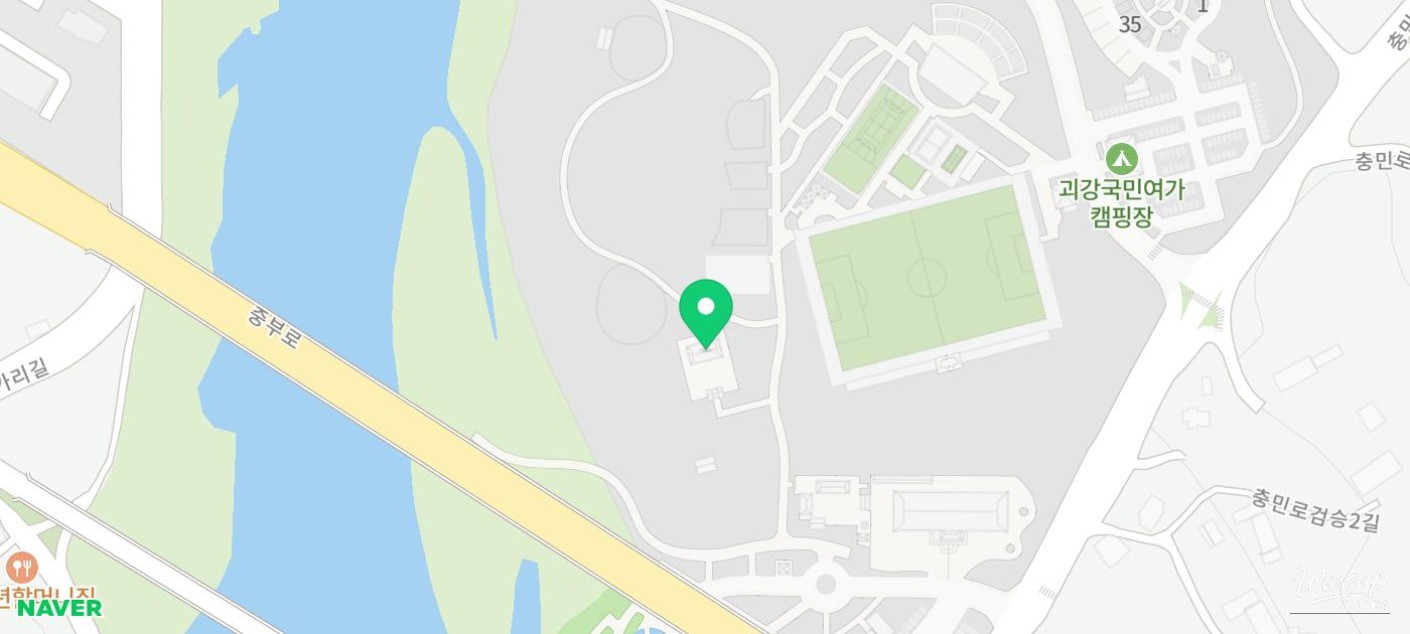
Located at 77 Geomsung-ri, Goesan-eup, Goesan-gun, Chungcheongbuk-do, Aehanjeong Pavilion (愛閑亭) is a historical building and cultural heritage that began as a retreat for Confucian scholars during the Joseon Dynasty. It was designated as Cultural Heritage Material No. 50 by Chungcheongbuk-do in 1978 and was renamed to its current title in 2013. The pavilion is known to have been established by the Confucian scholar Park Ji-gyeom during the mid-Joseon period.
Aehanjeong was built by Park Ji-gyeom, a Confucian scholar active during the reigns of King Seonjo to King Gwanghae. He rose to prominence for escorting King Seonjo to Uiju dressed in white during the Imjin War. However, he chose to retreat to his hometown of Goesan to dedicate himself to scholarship amid the political turmoil of King Gwanghae's rule. The pavilion, initially constructed in 1614, reflects his philosophy of seeking leisure and knowledge away from the bustle of the secular world.
In 1673, Park Ji-gyeom's grandson, Park Jeong-jun, rebuilt it with the help of county magistrate Hwang Se-gu. It was further restored during the reigns of King Sukjong and King Yeongjo, and a large-scale restoration in 1979 completed its current appearance. Originally a modest structure with three front rooms and one and a half side rooms, it was expanded to six front rooms and two and a half side rooms, showcasing the architectural evolution of the late Joseon period.
Aehanjeong retains the beauty of traditional hanok that emphasizes harmony with nature. Its unique roof, which rises at all four corners, conveys stability and grandeur while blending harmoniously with the surrounding forest. The use of eco-friendly materials allows it to integrate seamlessly with the seasonal changes of the landscape.
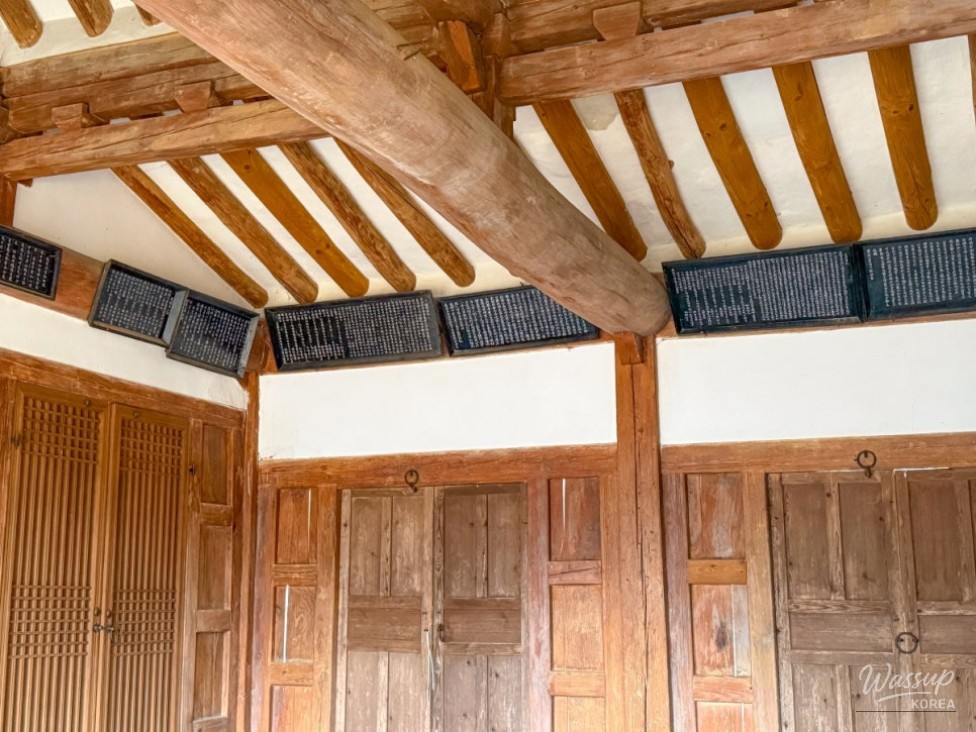
Inside, the central hall is flanked by rooms and a pavilion, with inscriptions of 'Aehanjeonggi' and 'Aehanpalgyeongyeongs' penned by Park Ji-gyeom on the walls. The plaque '愛閑亭' symbolizes his philosophical outlook on life. Additionally, the literary works 'Aehanjeongpalyeong' by contemporary poets like Lee Jeong-gu, Kim Deuk-sin, and Lee Ho-min highlight the pavilion as a place of literary exchange.
Designated as a cultural heritage site in 1978, Aehanjeong is an important historical site that provides insight into the seclusion and scholarly traditions of the mid-Joseon aristocracy. It is currently managed by Goesan County and is open to the public, allowing visitors to explore the pavilion and its surrounding trails. Every autumn, traditional cultural events are held nearby, offering a glimpse into the atmosphere of the Joseon era.
The area around Aehanjeong represents the pristine nature of Goesan, with dense forests encircling the pavilion and the Namhan River flowing nearby, creating a breathtaking landscape of plains and mountains. This environment exemplifies why Park Ji-gyeom named the pavilion "Aehanjeong," meaning "to love leisure." Aehanjeong symbolizes not just an old building but a spirit of seeking true freedom away from worldly distractions, conveying a timeless message for those who pursue inner peace over material success in modern society.





Source :https://blog.naver.com/goesan-gun/224242731379
No comments yet.