A Visit to Sungnyeolsa Shrine: Honoring the Legacy of Lee Sang-seol



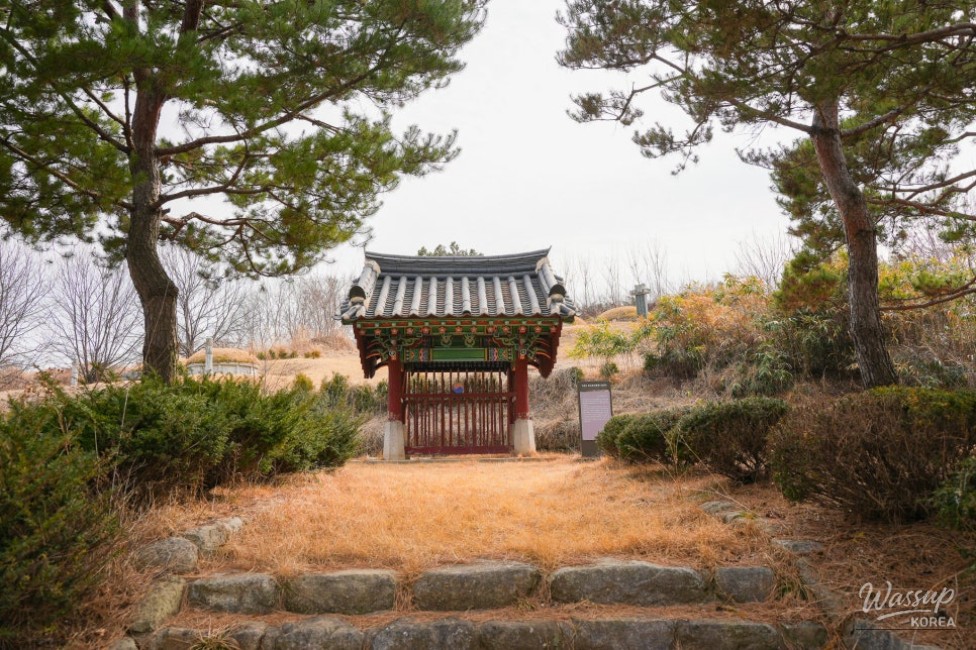
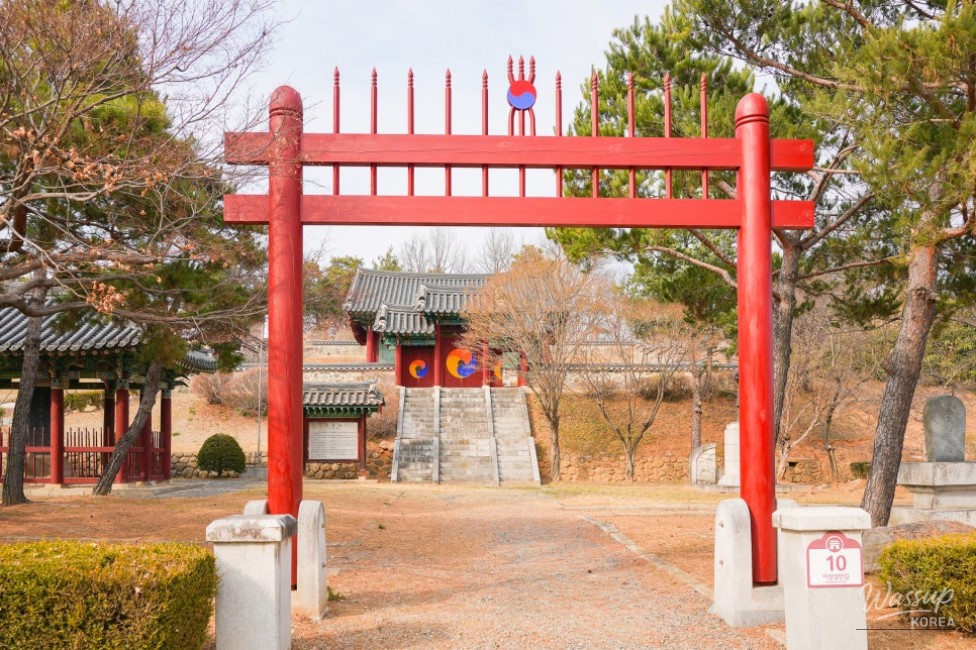
Sungnyeolsa Shrine is dedicated to honoring the local history and loyalty of its figures, providing a tranquil atmosphere where one can feel the traces of our history and its notable individuals. The surroundings blend harmoniously with nature, making it an ideal place for a leisurely stroll and a moment of calm away from the complexities of daily life.
This shrine is said to have been established to commemorate the loyalty of Lee Gyeong-seon, a scholar from the mid-Joseon period. It was built in 1730 in Gongse-ri, Giheung-eup, Yongin-si, Gyeonggi-do, but was lost during the Japanese occupation. It was restored in 2005 in front of the current location.
During my visit, I was able to enjoy a peaceful walk, taking my time to explore the area. I discovered the memorial stone, which allowed me to delve into the significance and historical context of this place.
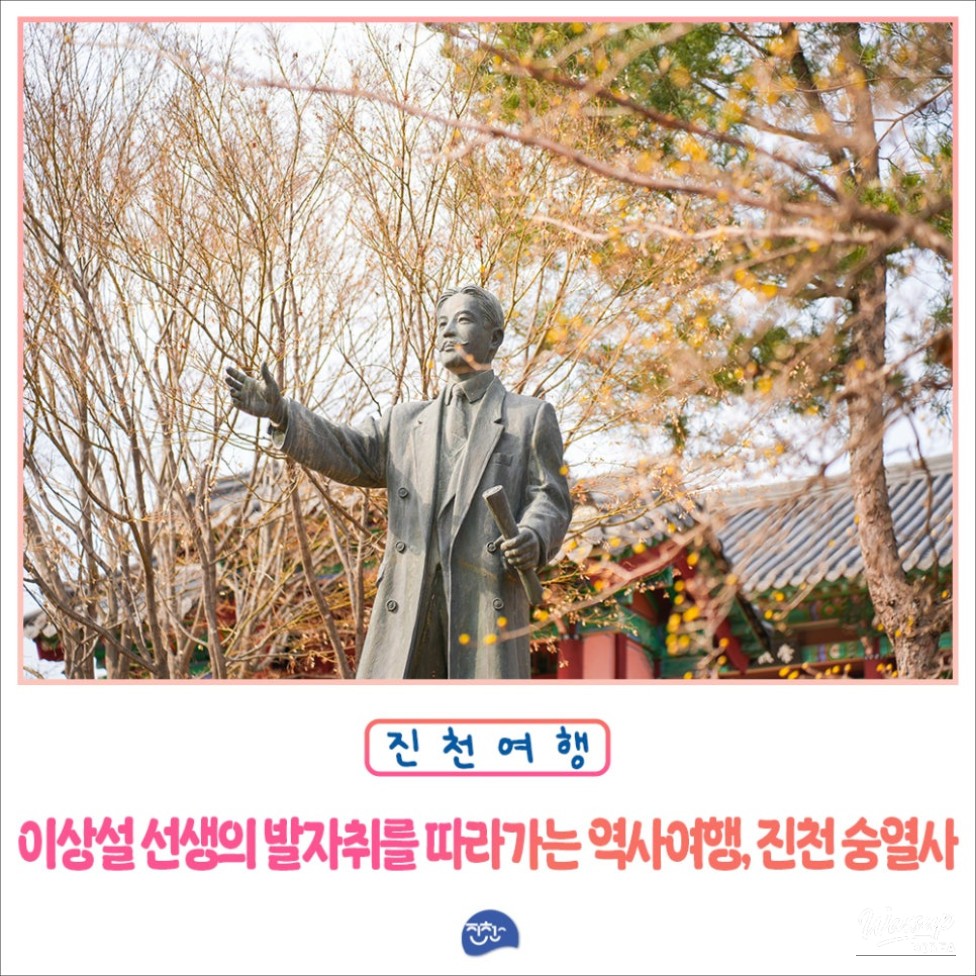
In front of the shrine, there is also a sculpture of Lee Sang-seol, prompting reflection on his achievements and their importance.
Sungnyeolsa Shrine houses the spirit of independence activist Lee Sang-seol, serving as a space to honor his ideals and accomplishments. Observing his expression in the sculpture conveyed a strong resolve and deep meaning for the nation, leaving me momentarily reflective.
Fortunately, the shrine was open during my visit, allowing me to explore the interior. Lee Sang-seol was originally from Gyeongju and was born in 1870 in Sancheokmal, Jincheon-eup, Jincheon-gun, as the son of scholar Lee Haeng-woo. At the age of seven, he was adopted by Lee Yong-woo.
In 1907, he was dispatched as a special envoy of King Gojong to the International Peace Conference, advocating against the injustice of the Eulsa Treaty and striving for national sovereignty, although he could not achieve his goals. He continued his independence activities in China and Russia before passing away in 1917 at the age of 47.
Sungnyeolsa Shrine is also notable for its wooden structure built in 1972 in Gyori, Jincheon-gun, which was relocated to its current site on March 2, 1997. The shrine has since been rebuilt to a size of 22 pyeong, with the inscription on the memorial stone written by Lee Eun-sang and the calligraphy by Lee Sang-bok.
There is a space dedicated to Lee Sang-seol, allowing visitors to feel his ideals and footsteps closely. It was a unique experience to connect with a historical figure I had only encountered in texts through photographs.
Visiting his birthplace provided a deeper understanding of his beginnings and background, enriching the historical significance of the site. Although modest, the space offered a natural understanding of his legacy.
As I explored his birthplace, I could easily imagine his growth and path as an independence activist, enhanced by the serene surroundings. This historical site, often difficult to access in daily life, deepened its significance with each step taken.
Sungnyeolsa Shrine is a meaningful space to reflect on the life and achievements of Lee Sang-seol and his aspirations for independence. It offers an opportunity to connect with the spirit of a historical figure beyond mere observation, prompting thoughtful contemplation in a peaceful setting.
My brief visit was a profound reminder of the significance of our history and figures. I highly recommend visiting if you have the chance.

Source :https://blog.naver.com/jincheongun/224262638078
No comments yet.