A Spiritual Journey to Gapsa Temple: A Gem of Gyeryongsan Mountain
567 Gapsa-ro, Gyeryong-myeon, Gongju-si, Chungcheongnam-do
갑사


The Famous Forest Path to Gapsa Temple
The journey to Gapsa is as significant as the destination itself. After parking at the entrance (parking fees range from 2,000 to 3,000 won for regular cars), visitors embark on the "Path to Gapsa." This gentle incline is lined with ancient trees draped in emerald moss, creating a serene atmosphere that has captivated writers and students for generations. A short 10-minute walk through this vibrant greenery leads you directly to the temple's main grounds.
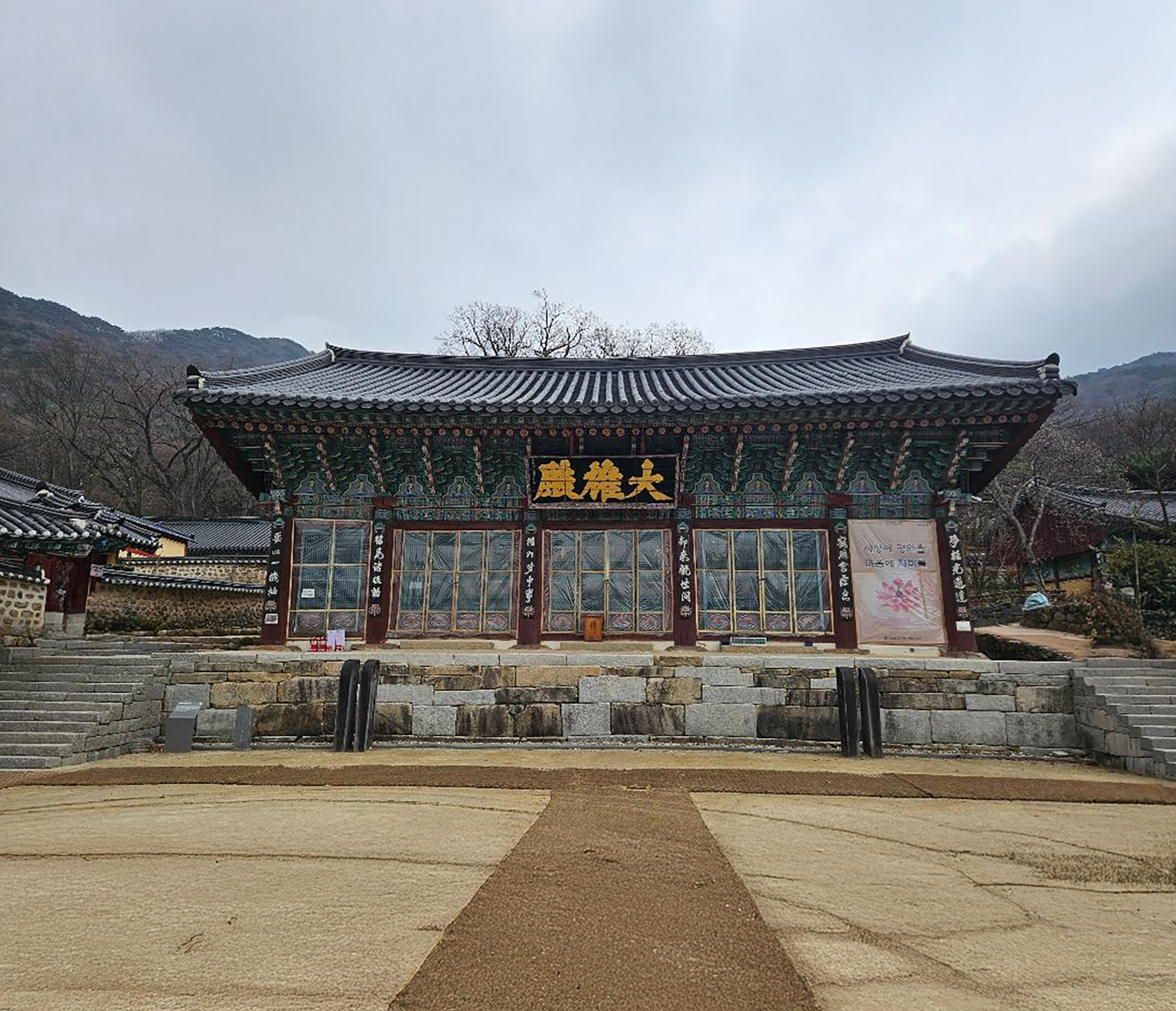
Architectural Grandeur and National Treasures
The current form of Gapsa dates back to a reconstruction starting in 1604, following its destruction during the Imjin War. The main hall (Daeungjeon) stands majestically against the open sky, embodying the dignity of ancient Korean architecture. To the right of the main hall, you will find a building housing the Wolinsukbo Woodblock, the only surviving woodblock of its kind in Korea, used for printing sacred Buddhist texts.
Healing and Spiritual Reflection
A highlight for many visitors is the Stone Medicine Buddha Statue located on the eastern side of the main hall. This revered figure is believed by many to possess the power to heal physical and spiritual ailments. Even for non-religious visitors, the tranquil environment around the statue offers a perfect moment to reflect and offer prayers for the health and well-being of loved ones.
Experience Tranquility: Gapsa Temple Stay
For those wishing for a deeper connection with Korean Buddhism, Gapsa offers a renowned Temple Stay program. Ranging from 40,000 to 70,000 won per day, the program allows participants to experience monastic life, tea ceremonies, and meditation. It is a rare opportunity to find true "healing" and mental clarity away from the urban noise of neighboring Daejeon or Gongju.
A Sanctuary for All Seasons
While winter at Gapsa is defined by a crisp, serene breeze and the quiet beauty of dormant nature, the temple transforms with every season. In spring, magnolia and plum blossoms hint at the coming warmth, while autumn brings a fiery display of maple leaves. The ongoing renovations to the Hydrangea Park at the entrance promise even more floral beauty for future travelers.
Whether you are a cultural heritage enthusiast or a nature lover, Gapsa Temple (갑사) provides an accessible yet profound getaway. Its geographical position at the border of Gongju, Gyeryong, and Daejeon makes it a convenient day trip that leaves visitors feeling spiritually rejuvenated and physically refreshed.
No comments yet.