A Culinary Journey Through Seosan Dongbu Market


Seosan, located in Chungcheongnam-do, is an ideal starting point for spring travel. The Seosan Yugi Bang House hosts a daffodil festival starting at the end of March, and by early April, cherry blossoms bloom at Gaeshimsa Temple, offering a delightful spring experience. No trip is complete without sampling local delicacies, and a visit to Seosan Dongbu Market is a must.
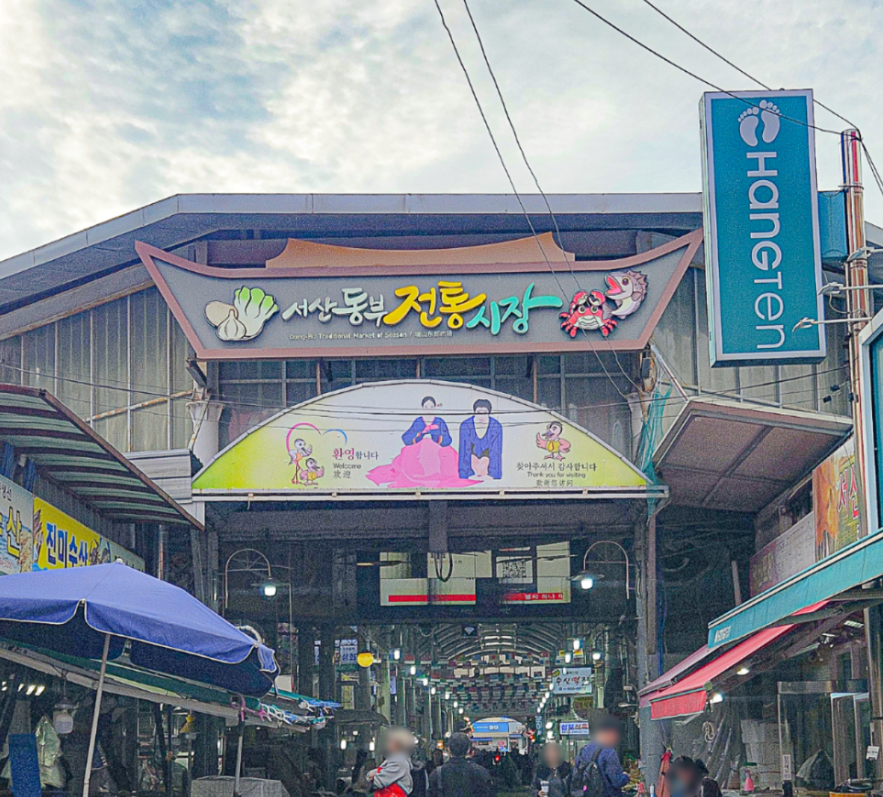
Seosan Dongbu Market, located in the heart of Seosan, has a rich history dating back to the Joseon Dynasty, where it was known as 'Eumnae Market' or 'Seosan Market.' Despite facing challenges such as the Korean War and major fires, the market has evolved through expansion, relocation, and modernization, now standing as a representative traditional market of Seosan. It is also a bustling area with the Seosan Public Bus Terminal, city hall, hospitals, and schools within a 5-10 minute walking distance.
The market is famous for its seafood, and it features a variety of shops, from traditional grocery stores like mills and rice cake shops to fashion and hardware stores. Being an open market, it operates year-round without specific market days. The market includes a resting area with benches in Ssamji Park and direct trade markets, making it a perfect spot to unwind. It is recommended to visit between 9 AM and 7 PM.
Even on weekdays, the parking lot at Seosan Dongbu Market is busy. Parking fees are 400 won for the first 30 minutes for small vehicles (including vans and trucks under 1 ton), and 200 won for every additional 10 minutes. For larger vehicles, the initial cost is 800 won for 30 minutes, with 400 won for each additional 10 minutes.
As you enter the main street of the market, you will encounter a variety of foods and local specialties. Seosan is known for its six-clove garlic, six-year-old ginseng, rockfish soup, nutritious oyster rice, seaweed, mudflat octopus, Tteumbugi rice, Palbongsan potatoes, ginger, crab stew, and flower crab sauce. Among these, I was particularly captivated by the 'Gamtai' seaweed, harvested from the Seosan sea. Did you know that the longevity of turtles is attributed to Gamtai?
If you visit Seosan Dongbu Market, Gamtai should be your top priority for tasting and purchasing. It costs 10,000 won for three packs. Known for its antioxidant properties and anti-aging benefits, it makes a perfect souvenir from Seosan. Some Gamtai shops in the market have been designated as 'Chungcheongnam-do Inherited Businesses,' and I had a delightful experience when an elderly lady offered me a taste of her seasoned Gamtai, showcasing the warm hospitality of traditional markets. Gamtai is delicious on its own, but when made into Gamtai kimbap, it becomes an extraordinary delicacy.
Entering the seafood market area, the atmosphere becomes even more vibrant. Fresh seafood, just caught from the Seosan coast, fills the market, providing a feast for the eyes. Many nearby restaurants offer to cook the seafood you purchase, allowing you to enjoy a fresh meal made from your selected ingredients.
The Seosan Dongbu Seafood Market is a delightful place to explore, from dried fish to fresh sashimi! If you're planning a trip to Seosan this spring, consider enjoying a 'Seosan Seafood Party' for one of your meals.
While the central corridor of Seosan Dongbu Market has been modernized, stepping into the alleys reveals the traditional market's unique charm. The 'Direct Trade Market' area, in particular, has a retro vibe that makes it a great photo spot.
Additionally, the market is home to several long-established eateries. 'Original Wang Tteokbokki' with a 30-year tradition and Kim Jin-sook's 'Market Original Hotteok,' featured on a popular TV show, are popular spots with long lines. Other notable mentions include 'Dongmun Sogok Kalguksu' for affordable prices, 'Cheol Jjamppong' recognized as a top restaurant, and 'Guksu,' which has received many positive reviews on social media. If you have your own hidden gem in Seosan, feel free to share it in the comments!
After enjoying delicious food, a final stop at Ssamji Park is a great way to digest. The area is surrounded by clothing and miscellaneous shops, perfect for a light stroll. With the recent trend of 'grandma vests' in retro fashion, finding your own 'traditional market look' could add a unique twist to your experience. In summary, a visit to Seosan Dongbu Market includes tasting Seosan's specialty Gamtai, exploring fresh seafood from the West Sea, discovering market foods and restaurants, and enjoying a walk and shopping near Ssamji Park.
After exploring the traditional market, I also recommend continuing your spring flower journey to Seosan Yugi Bang House or Gaeshimsa Temple. You can find detailed reviews of these destinations on the official Chungcheongnam-do blog.
Seosan Dongbu Market
Address: 7-2, Sijang 3-gil, Seosan-si, Chungcheongnam-do
Hours: Recommended to visit between 9 AM and 7 PM
Parking Fees: Seosan Dongbu Market (Small vehicles - including vans and trucks under 1 ton: 400 won for the first 30 minutes, 200 won for every additional 10 minutes; Special and large vehicles: 800 won for the first 30 minutes, 400 won for every additional 10 minutes)
Local Specialties: Six-clove garlic, six-year-old ginseng, rockfish soup, nutritious oyster rice, Gamtai, mudflat octopus, Tteumbugi rice, Palbongsan potatoes, ginger, crab stew, flower crab sauce, etc.
Source :https://blog.naver.com/sinmunman/224241037295
No comments yet.