Airport Strike Looms Ahead of Chuseok Holiday: What Travelers Need to Know




As the Chuseok holiday approaches, concerns about a potential nationwide airport strike have begun to surface among travelers. With many people planning domestic and international trips, uncertainty around airport operations is creating understandable anxiety.
This post breaks down why the airport strike is being discussed now, how it could affect travel during Chuseok, and what travelers can realistically do in advance to reduce stress and delays.
Why the Airport Strike Is a Concern Before Chuseok
According to recent reports, workers at 15 airports nationwide are planning a general strike starting September 19. The timing overlaps closely with the Chuseok holiday travel rush, raising concerns about congestion and service disruptions.
The key demands include changing the current three-shift, two-crew system to a four-shift, two-crew structure, increasing staffing levels, and restructuring employment conditions at subsidiary companies.
In response, airport authorities have activated emergency operation systems and announced plans to deploy substitute personnel and on-site information staff to minimize passenger inconvenience.
Possible Impact on Airport Operations
If the strike proceeds as planned, travelers may experience varying levels of disruption depending on airport size, time of day, and passenger volume.
Check-in and Security Procedures
Check-in counters and security screening checkpoints may see longer waiting times than usual, especially during peak morning and evening hours.
Baggage Handling and Flight Operations
Checked baggage processing could be delayed, and some flights may experience schedule changes, including delays or limited cancellations.
Airport Facilities and Transportation
Support services such as cleaning, information desks, and facility maintenance may be reduced. Airport buses, shuttles, and connecting transportation services could also be affected.
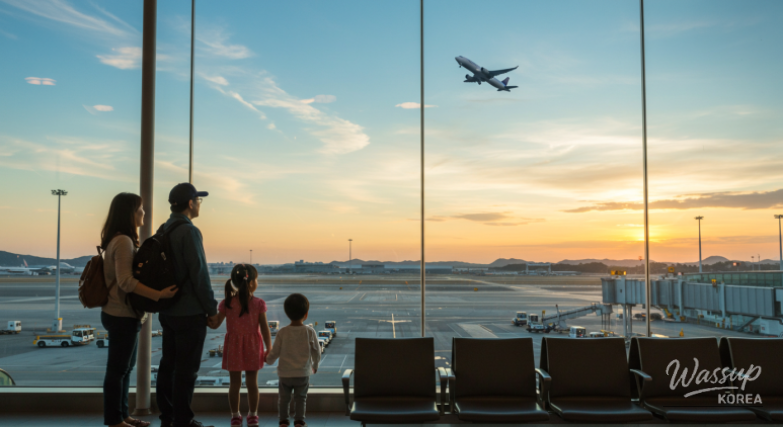
Practical Tips for Travelers During a Potential Strike
Even if the strike moves forward, there are realistic ways travelers can prepare to reduce inconvenience and uncertainty.
Arrive Earlier Than Usual
Arriving at the airport three to four hours earlier than your normal routine provides extra buffer time for unexpected delays at check-in or security.
Use Mobile and Online Services
If you are not checking luggage, mobile check-in and self-service kiosks can significantly reduce waiting time. Completing as many procedures online as possible helps avoid crowded counters.
Monitor Official Notifications
Regularly check airline apps, text messages, email alerts, and official airport websites so you can respond quickly to gate changes, delays, or boarding updates.
Prepare a Backup Plan
Understanding refund policies, rebooking options, and travel insurance coverage in advance can reduce stress if unexpected changes occur.
Pack Essentials for Waiting Time
Bringing snacks, water, a portable charger, and spare clothing can make extended waiting periods more manageable if airport congestion increases.
Check Transportation Schedules in Advance
Airport railroad, bus, and shuttle schedules may change during the strike period, so confirming routes and operating times before departure is strongly recommended.
Final Thoughts Before the Chuseok Holiday
The actual impact of the airport strike will depend on how negotiations and on-site operations unfold. While uncertainty remains, preparation is the most effective way to reduce inconvenience.
With realistic expectations and a flexible mindset, travelers can still navigate the Chuseok holiday period smoothly, even under less-than-ideal conditions.

No comments yet.