Zombie Birth Shock: Life and Horror Intersect in '28 Years Later'


‘28 Years Later’ is more than just another zombie apocalypse movie.
Set in a world 28 years after the initial outbreak, the film presents a shocking and symbolic scene: a “zombie birth.” This moment forces the audience to confront fundamental questions: ‘What is life?’ and ‘What is horror?’
This review delves into this scene—where childbirth becomes a source of terror—and contemplates the changes that have occurred over the 28 years depicted in the film.
Please be aware that spoilers are included, so it's best to read this after watching the movie.
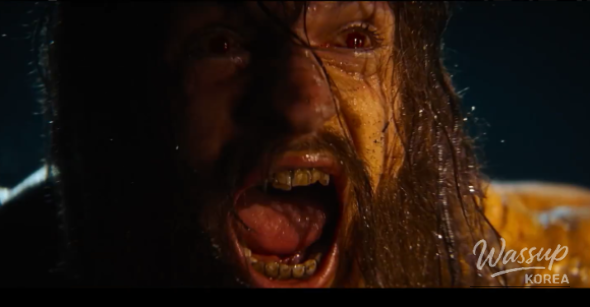
One of the most memorable moments in the film is undoubtedly the ‘birth scene.’
In a world ravaged by a zombie infection, the natural act of giving birth becomes a message to the survivors that **“nothing is safe anymore.”**
This scene isn't just for shock value.
Even in the extreme circumstances of infection and zombification, the inherently human act of ‘birth’ and ‘life’ still holds meaning. However, this meaning is ironically twisted into horror.
The sound of fetal movement, followed by the rising threat, creates a crossroads where the audience questions whether one should be born and whether one should live.
The weight of ‘28 years later’ is quite profound.
It's not just about the chaos immediately after the infection but about the lives of the survivors after things have settled.
You can feel the passage of time, where ‘daily life’ and ‘remnants’ coexist for those who had to survive in a ruined civilization.
Why 28 years?
This time frame isn't just a random number; it symbolizes an “irreversible change.”
The world is already different from what it used to be, and the boundaries between life and death, humans and zombies, have blurred.
That's why the ‘zombie birth’ setting works so well.
Does the belief in ‘birth’ still hold meaning after all this time, or does it transform that meaning? That's the question that remains.
What sets this film apart from other zombie movies is its context.
It goes beyond the formal flow of infection → chaos → survival and illuminates the humans and society that have changed over the 28 years.
Zombies are still a threat, but what's more significant is the state of humanity left after survival.
The ‘zombie birth’ setting isn't just a shocking device.
It expands to the message that the birth of a new generation can be a change and an opportunity but also an extension of threats and anxieties.
In that regard, this film isn't just a horror movie but unpacks the cycle of growth, recovery, and recurring life and death in the form of a zombie film.
Of course, not every element was perfect.
There have been criticisms about the plausibility of the setting and the development of the plot.
Nevertheless, the ‘attempt’ that this film makes is noteworthy.
The way it chooses a static narrative, puts the passage of time front and center, and combines the themes of life and birth with the zombie genre is at least worthy of being evaluated as a ‘new attempt.’
In particular, the mise-en-scène of cinematographer Anthony Dod Mantle and the directing style of director Danny Boyle create a subtle yet suspenseful sense of horror.
To better enjoy this movie, here are some recommended approaches:
It's a movie that lets you feel the flow of emotions and time rather than fast-paced action or simple thrills.
If you're familiar with zombie movies, pay attention to the changes in the narrative and the message.
Since the keywords of life, birth, and generational change are the themes, you can immerse yourself more deeply if you are sensitive to these elements.
If these elements are in the back of your mind, the ‘zombie birth’ scene you saw will come to you as a question the film poses, beyond a simple shock.
In summary:
| Category | Item A | Item B |
|---|---|---|
| Time Setting | 28 years after the incident | A new life is born in the remnants after survival |
| Main Motif | Zombie Birth | The boundary between life and death, the intersection of fear and hope |
| Emotional Line | Shock → Empathy → Reflection | The irony of the joy of childbirth turning into fear |
| Audience Reaction | “The setting is disappointing” vs. “Support the attempt” | Desire for novelty and longing for familiarity |
| Meaning Summary | Expanded from a zombie movie to a coming-of-age story | A work that faces ‘change,’ not life or infection |
| Conclusion | A shocking but meaningful challenge | Not perfect, but a movie worth watching |
A short scene remained in my head.
The moment of birth, the birth of life, unexpectedly became a horror in the world of zombies.
In it, the film asks: Why should we live, and how should we live?




Source :https://blog.naver.com/yooju0913
No comments yet.