Global 'K-Pop Demon Hunters' Craze Fuels Sales Boom Across Industries



The global popularity of the Netflix animated film ‘K-Pop Demon Hunters’ (KDH) is showing no signs of slowing down, sparking a ‘KDH effect’ across the retail industry. Analysts say that IP content blending a Korean worldview with K-pop and K-food has firmly established itself as a 'killer content,' driving sales in related industries beyond simple video consumption.
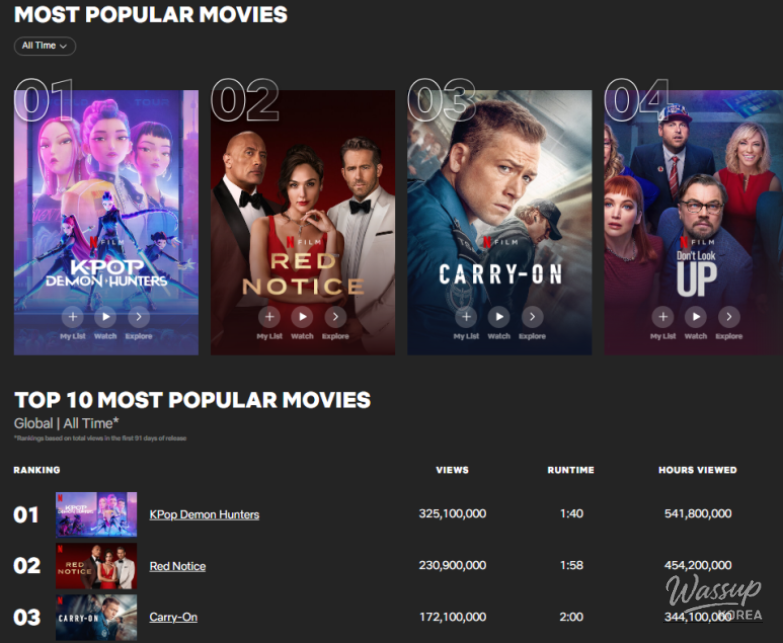
According to Netflix's official ‘Tudum’ site on October 13th, KDH has accumulated 320 million viewing hours, maintaining its position as the number one most-watched Netflix film of all time, even four months after its release.
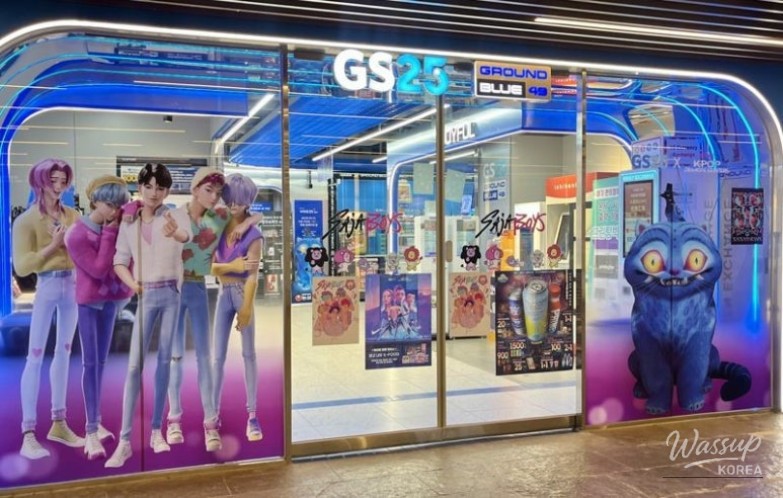
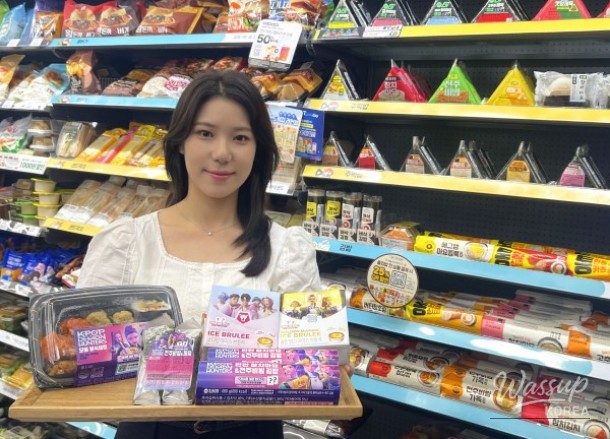
In particular, scenes featuring characters enjoying K-food like Kimbap and cup noodles, along with traditional Korean patterns and accessories such as 'gats' (traditional Korean hats), have created a global sensation, leading to explosive sales of collaboration products with retail companies. The five types of KDH collaboration convenience meals launched by GS25 last month in partnership with Netflix surpassed 1 million units in cumulative sales in just over a month.
GS25 effectively capitalized on the ‘KDH effect’ by including random seals in convenience meals and utilizing store wrapping and life-size standees featuring characters from the show. Specifically, in four specialized stores with high foreign visitor traffic, such as Incheon Airport T1 and T2, convenience meal sales increased by 67.3% in the two weeks following the launch.
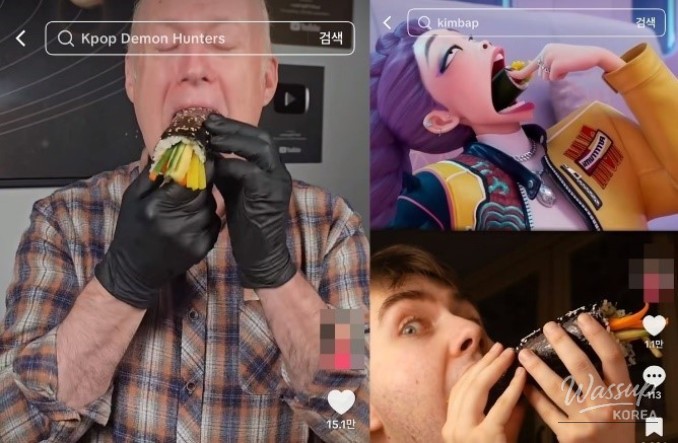
CU has also seen a surge in sales figures from foreign customers since the KDH craze began. In July and August, when KDH's global popularity took off, the number of transactions using international payment methods increased by 185% compared to the same period last year. During the same period, Kimbap sales increased by 231%, ramen sales by 99%, ready-to-eat meals by 143%, and snack sales by 53%. Furthermore, as a scene of the main character eating an entire roll of Kimbap in one bite went viral as a meme, CU launched a ‘K.Tong.Bulgogi Kimbap’ (K.Whole.Bulgogi Kimbap).
Fueled by this K-food craze, Seven-Eleven reported that foreign Kimbap sales at airport stores increased by 120% from July to October 12 compared to the previous year.
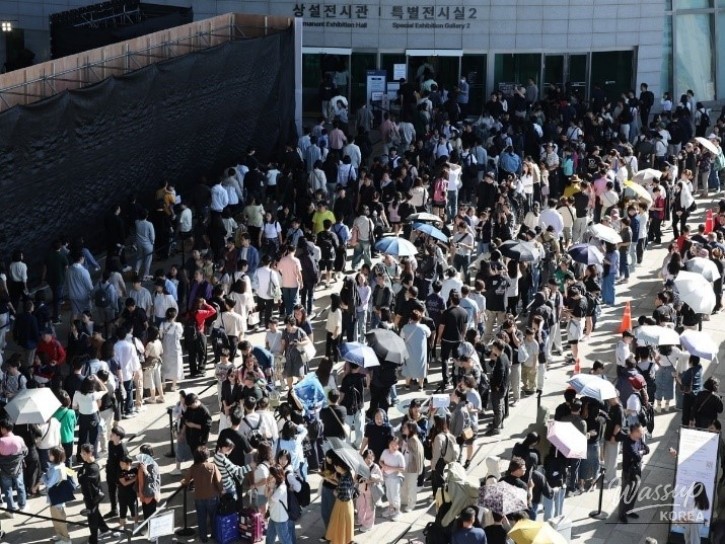
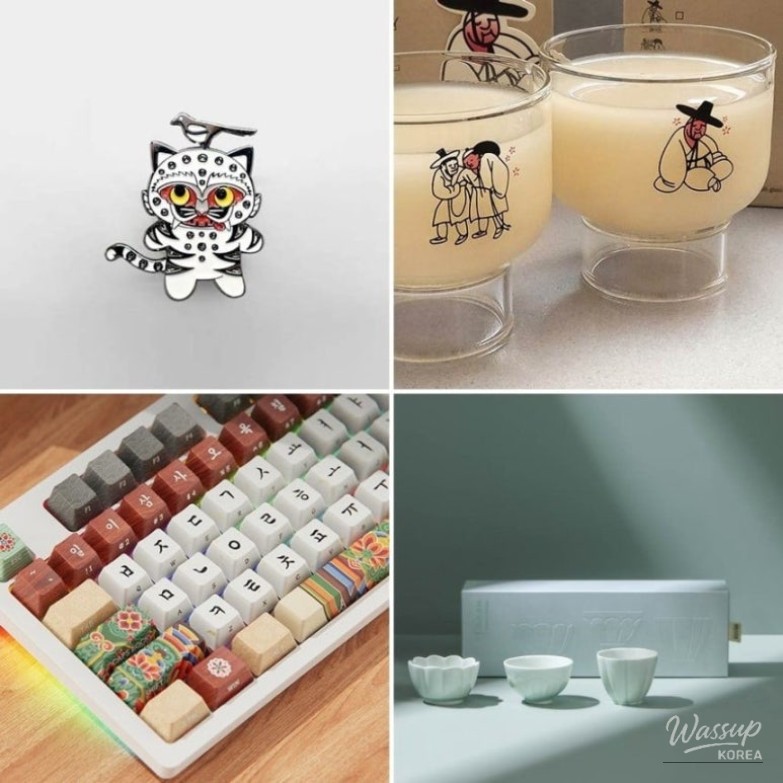
The demand for experiencing Korean culture has also increased since the KDH craze. Following the release of KDH, the cumulative number of visitors to the National Museum of Korea this year increased by 77% compared to the previous year, and sales of the goods brand ‘Myutzu’ (a combination of museum and goods) also increased by 73%. The 'Tiger and Magpie' badge, inspired by Joseon Dynasty paintings of magpies and tigers, has become a sold-out item due to word-of-mouth, as it resembles the characters 'Duffy (Tiger) and Seo (Magpie)' in the show.
As a result, the National Museum of Korea's official cultural product brand ‘Myutzu’ is expected to record its highest-ever sales this year. According to the National Museum of Korea Cultural Foundation on October 10, Myutzu's cumulative sales from January to August this year reached 21.8 billion won, exceeding last year's performance (21.3 billion won), and are expected to reach 30 billion won by the end of the year.
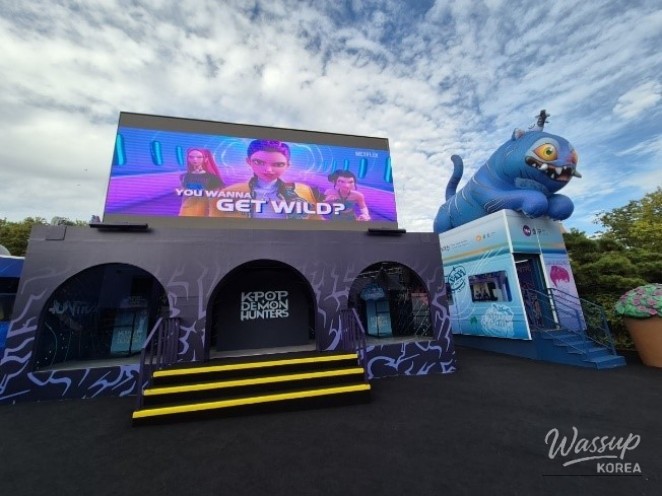
Collaboration with KDH has become an essential strategy not only in the retail industry but also across consumer goods industries such as food, fashion, and leisure. In the food industry, companies such as Nongshim and Paris Baguette have launched collaboration products, and related companies such as 8Seconds and Everland are engaging in extensive collaborations.
The retail industry is also evaluating that K-content has expanded from ‘content to watch’ to ‘experiential content’ that can be eaten, worn, and experienced thanks to KDH. An industry insider said, “Due to the KDH craze, sales are increasing not only for official collaboration products but also for products that incorporate related elements. It is expected to lead to continued interest in K-culture in general.”

No comments yet.