Soaking Away the Hangover: A Trip to Suanbo Hot Springs


After finishing our trip to Andong, we were on our way to Chungju. After drinking heavily the night before, we decided to visit a hot spring to cure our hangovers.
I have a favorite hot spring hotel in Suanbo.

Damas Camping Car parked here.

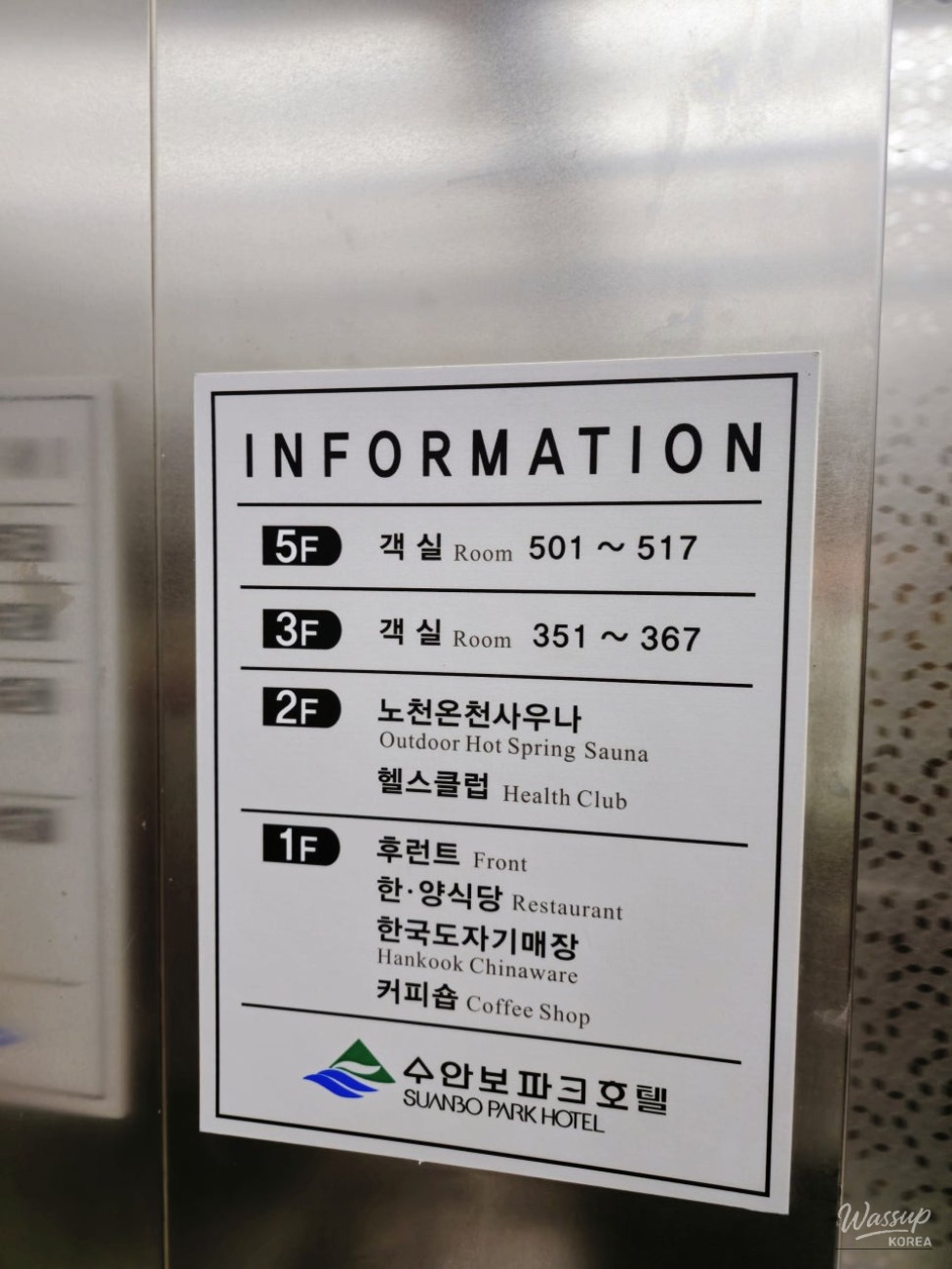
Suanbo Park Hotel.
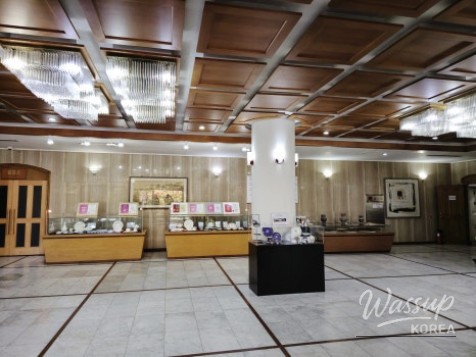
Lobby.
Suanbo is a region famous for its hot springs. We purchased admission tickets at the Park Hotel lobby and went inside.
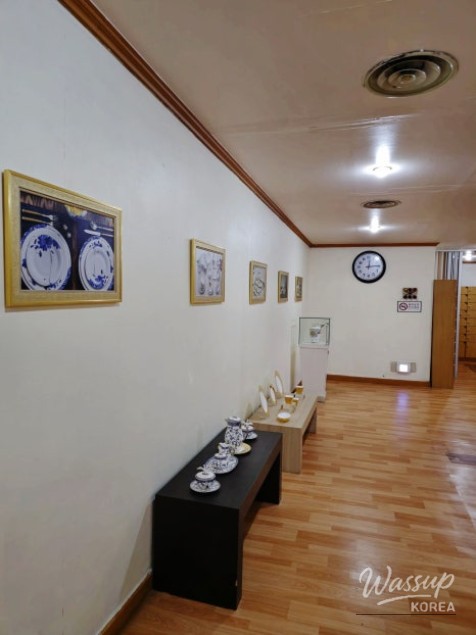
The path to the baths.
Suanbo Hot Springs Tourist Zone is a traditional hot spring resort. It is said to be Korea's first naturally gushing hot spring, dating back 30,000 years, and its benefits are well known. The hot spring water, which gushes from 250m underground, has a temperature of 53℃ and is mildly alkaline. The hot spring water, directly managed by Chungju City, contains far-infrared rays and various minerals that are beneficial to the human body. For this reason, Suanbo Hot Springs has long been visited by many people for the purpose of treating diseases and recuperation. Multang Park is located in the center of Suanbo Hot Springs.
According to records, Suanbo Hot Springs, which was once a royal hot spring, is Korea's first natural hot spring water that has been naturally springing up for 30,000 years. It is located on the northwestern slopes of Joryeong, called the Alps of Chungbuk, and has been known as the best quality water in Korea since it was developed in 1725 as the nation's first naturally springing hot spring.
The strata of the Suanbo hot spring area are composed of Okcheon metamorphic rock in terms of geological structure, with sedimentary elvan forming the main strata. It is a world-class hot spring water beneficial to the human body as it contains not only far-infrared rays but also various mineral components.

The water temperature is 53℃, the daily water collection is over 4,800 tons, and it is a slightly alkaline hot spring water with a pH of 8.3 that springs from 250ml underground. Chungju City is the only city in Korea that manages hot spring water through a centralized management system, and it is focusing on the preservation of hot spring resources. It has been evaluated by the Korea Institute of Energy and Resources as a high-quality hot spring containing various minerals beneficial to the human body.
There's also a restaurant.
Heading to the bath.

According to the [Annals of the Joseon Dynasty], Taejo Yi Seong-gye, the first king of Joseon, frequently visited Suanbo Hot Springs to treat his malignant dermatitis. In addition, the [Regulations of Onjeongdong] well expresses that it was crowded all year round with scholars such as Yeonchangwi An Maeng-dam, the son-in-law of King Sejong, Kwon Ram, the Right Minister of Sedo, and Kwon Sang-ha, a famous Confucian scholar during the reign of King Sukjong, as well as bathers gathered from all over the country. It is said that various patients with diseases that were not available in hospitals at the time flocked from all over the country.

The hot spring name Suanbo originates from the fact that Anbori was called Anbuyeok during the Joseon Dynasty, and Anbuonjeong and Yeonpungoncheong, which are place names of hot springs, were distinguished from Anbori, the place name of hot springs, and the Chinese character for water (水) was attached to the front of the Anbori place name to call it Suanbo.

During the reign of King Hyeonjong of Goryeo (A.D. 1018), it was recorded under the name Yuoncheon (有溫泉), and it is a hot spring with a long history that has been recorded in over 30 historical books, including [Annals of the Joseon Dynasty], [Dongguk Yeoji Seungnam], [Yeojido Seo], [Cheonggudo], and [Daedongyeojido].
After disrobing.
Suanbo hot spring water is said to be a "living and active hot spring water" that does not rot for more than a month.
It is Korea's first natural hot spring water that has been naturally springing up for about 30,000 years.
Suanbo Hot Springs' features Suanbo Hot Springs is the only hot spring in Korea that is managed by Chungju City through a central management system with a daily water collection of over 4,800 tons, and it is focusing on preserving hot spring resources. It has been evaluated by the Korea Institute of Energy and Resources as a high-quality hot spring water containing various minerals beneficial to the human body.

The structure of the strata determines the composition of the hot spring, and the strata of the Suanbo hot spring area are composed of Okcheon metamorphic rock with sedimentary elvan as the main strata. It is a world-class hot spring water beneficial to the human body as it contains not only far-infrared rays (Bio Stoxe) but also various mineral components.

Indoor bath.
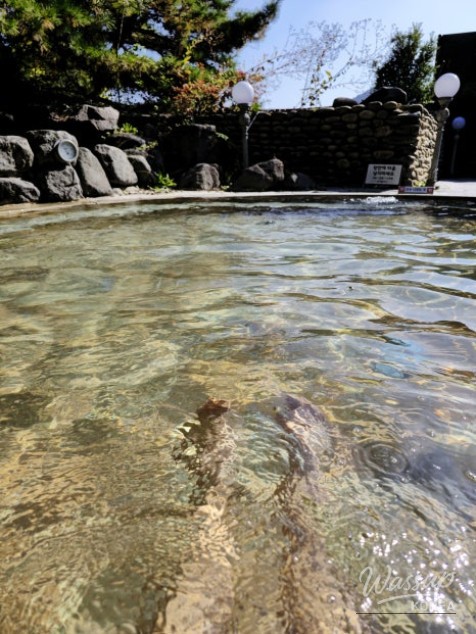
We moved straight to the open-air bath.

Suanbo hot spring water values colorlessness, odorlessness, tastelessness, and transparency.
Chungju City is the only city in Korea that manages all hot spring water through a central management system, so there is no separate original spring and all are of the same water quality. It uses only pure hot spring water and is committed to preserving hot spring resources.

It is Korea's first natural hot spring water that has been naturally springing up for 30,000 years along with the long history of the region and is a natural resource that illuminates the region.
Suanbo hot spring water is a slightly alkaline natural hot spring water with a pH of 8.3 that has been naturally spring since the beginning of time and is the best natural hot spring water at 53℃, which is beneficial to the human body.

There is a legend that a beggar passing through Suanbo in the middle of winter stayed in a place where steam was coming out, and when water came out from the land and he washed himself, his leprosy was completely cured.

According to the testimony of Roh Sang-am (deceased), the manager of the public bathhouse around 1940, he brought his daughter with leprosy from Andong, Gyeongsang-do, and cured her leprosy after taking a hot spring bath for 15 days. That year, he married off his daughter and received a gift of silk pants and jeogori in celebration.

A recent treatment effect was that Mr. Bae, who suffered from skin disease in Seoul around 1978, had difficulty being treated with various modern medical techniques, including the Department of Dermatology at Seoul National University, but was completely cured of his intractable skin disease after two weeks of hot spring bathing.

The minerals dissolved in the hot spring water are simple iron and ionic water quality, which have excellent chemical action and are very beneficial to the human body, so they have excellent effects in treating various diseases. In particular, there are many cases proven by bathers' experiences regarding the unique effect on treating incurable diseases as above. It is excellent for dandruff, hemorrhoids, skin diseases, neuralgia, gynecological diseases, and acne.

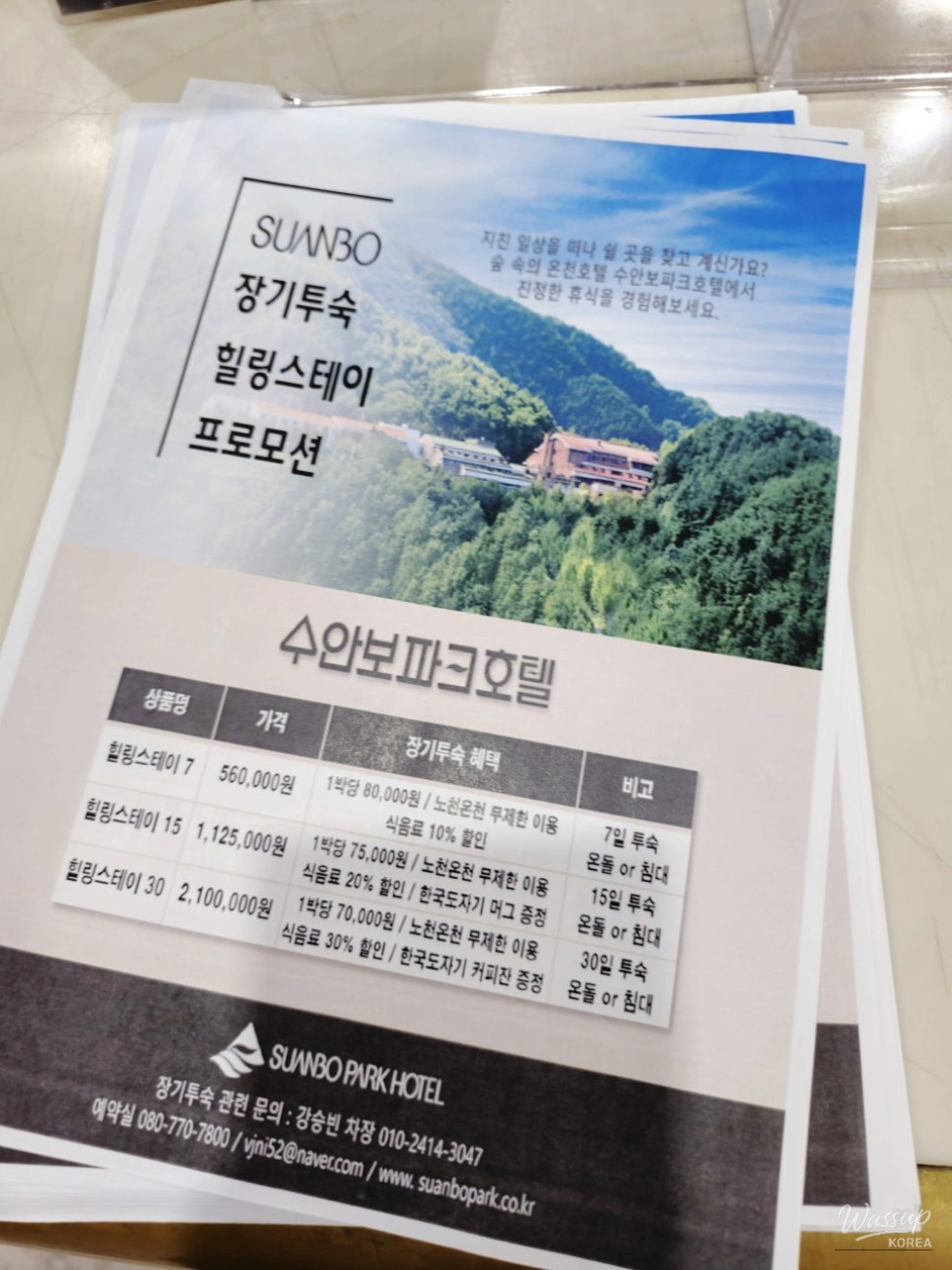
I think I might end up using it as a one-month package in the winter next time.

After finishing the hot springs like this, we come outside. We were hungry, so we decided to hurry to Chungju for lunch.

Efficacy and effects of hot spring water according to physical action

Vasodilatation effect: The heat acting on the skin reflexively dilates all blood vessels in the body, promoting blood circulation and diuresis, and is effective in treating chronic gynecological diseases and stomach diseases.
Analgesic effect: The high temperature of the hot spring water is effective in removing pain from arthritis and various types of neuralgia.

Sedative effect: As a slightly alkaline hot spring water, it changes the acidified human body to a neutral constitution, quickly relieves tension and fatigue, and has an excellent effect on relieving stress.

Antispasmodic effect: It has many benefits in relaxing muscle tension and relieving spasmodic muscles.
Buoyancy effect: The body becomes about 1/20 lighter than in the air, which greatly helps restore atrophied muscles, and is especially effective for stroke patients in a paralyzed state.

Metabolism-promoting effect: As body temperature rises by 1℃, the body's metabolism increases by about 10%, which has a good effect on promoting and maintaining health.

Effect on blood: The high temperature increases the number of white blood cells in the blood and improves the sterilization effect, preventing the invasion of germs, so it is effective in treating chronic inflammation and skin diseases.

Efficacy of hot springs

Hey you're watching fiction now.
You're watching fiction now.

Deathman will be released on a good day.

I am always grateful to those who are with me in my life.

D - 10.30.2024






Previous story
No comments yet.