The Symbolic Meanings of Seoul's Four Great Gates in the Joseon Dynasty
288 Jong-ro, Jongno-gu, Seoul
흥인지문



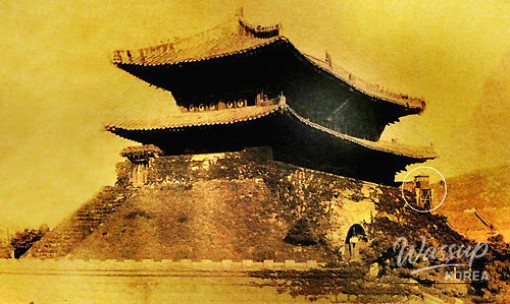
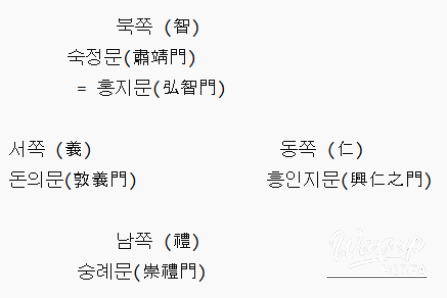
The Four Great Gates of Seoul—Namdaemun, Bukdaemun, Seodaemun, and Dongdaemun—were not merely functional entrances to the capital but were profound symbols of the Joseon Dynasty's founding ideology. Each gate was intentionally named after one of the four core Confucian virtues: Benevolence (In), Righteousness (Ui), Propriety (Ye), and Wisdom (Ji). This deliberate naming served to remind both the ruling class and the common people of the moral standards expected within a Neo-Confucian state.
Constructed in 1396 during the reign of King Taejo, these gates formed a symbolic boundary that balanced state administration with ethical governance. Among them, Heunginjimun Gate (Dongdaemun) holds a unique distinction with its four-character name, a decision rooted deeply in feng shui to protect the city's energy. Exploring these gates offers a fascinating glimpse into how philosophy, geography, and history converged to shape the heart of Korea.
The Four Gates and Their Symbolic Virtues
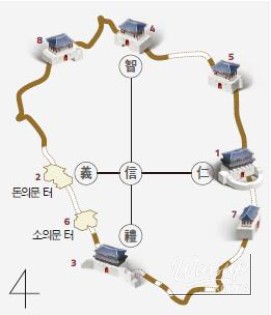
In the Joseon Dynasty, the layout of the capital was a physical manifestation of political ideals. The "order of the four directions" assigned specific virtues to each gate, creating a spiritual map of the city. Every traveler passing through these gates was symbolically greeted by a lesson in morality, reinforcing the state's educational mission.
Sungnyemun (Propriety) and Hongjimmun (Wisdom)
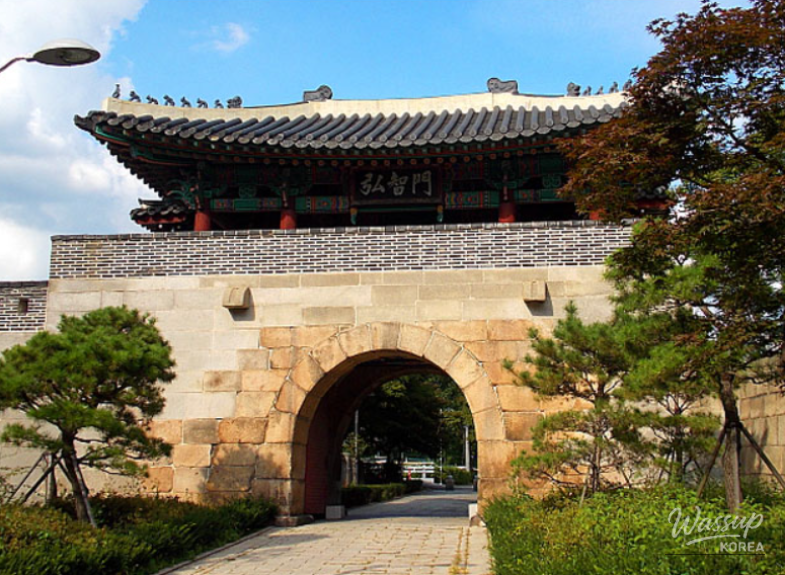
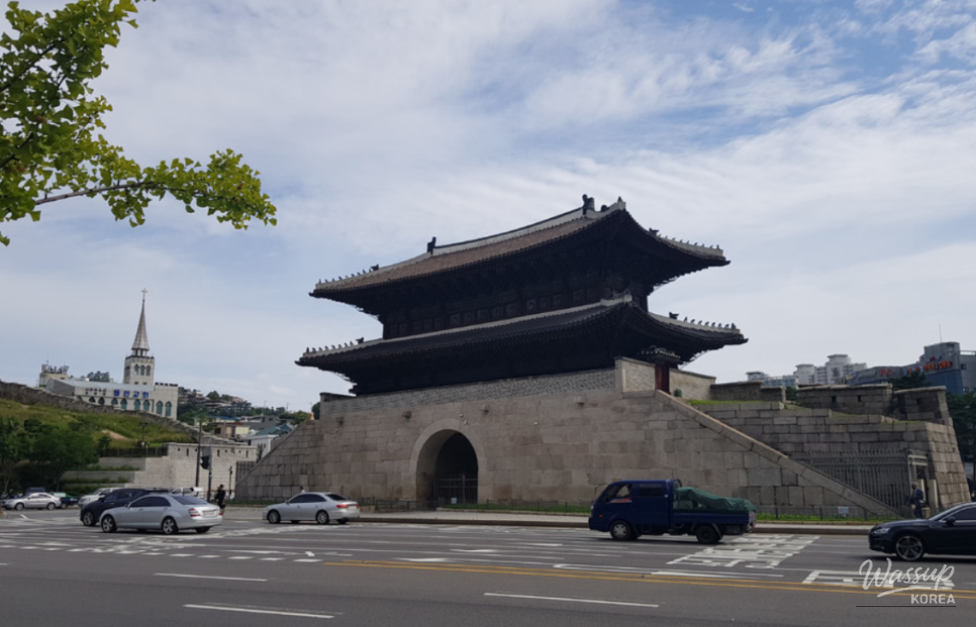
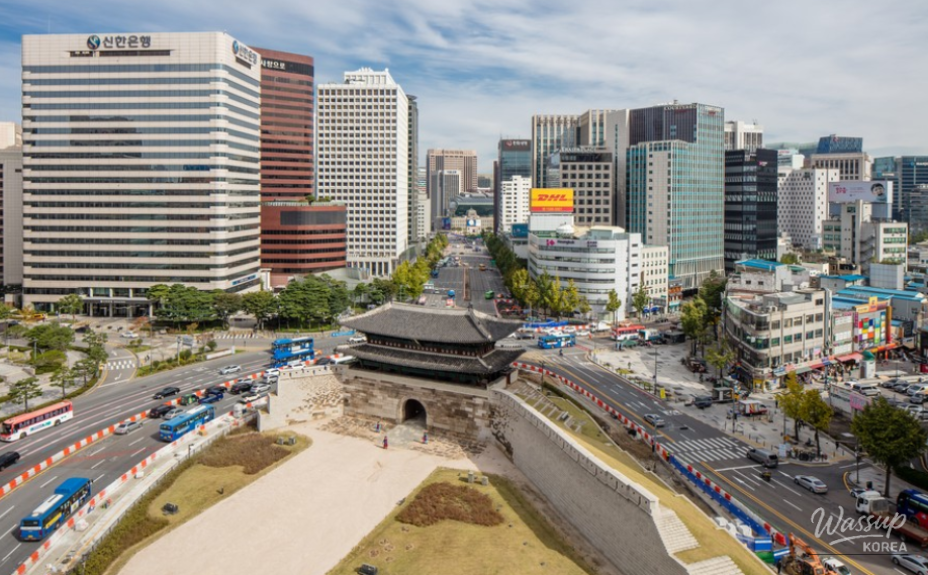
Sungnyemun (崇禮門), famously known as Namdaemun, stands to the south and means "to revere propriety." As the primary gateway for foreign envoys, it represented the highest level of etiquette. To the north stood Hongjimmun (弘智門), associated with "wisdom." While the gate in the northern wall is now commonly referred to as Sukjeongmun, the original philosophical assignment of "Ji" (Wisdom) remains central to its historical identity.
Donuimun (Righteousness) and Heunginjimun (Benevolence)
To the west lay Donuimun (敦義門), the gate of "righteousness," emphasizing the strength of moral character. Although currently undergoing plans for full restoration by 2035, its legacy as the Western Great Gate persists. To the east, Heunginjimun (興仁之門) was dedicated to "promoting benevolence," marking the direction where the sun rises and life begins.
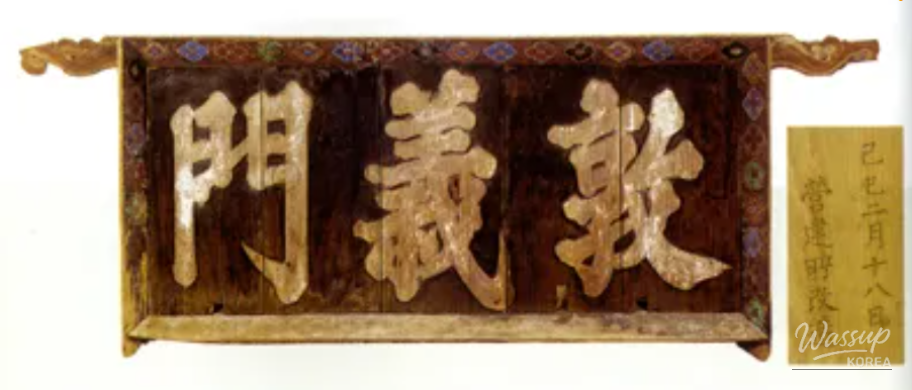
The Mystery of the Fourth Character 'Ji (之)'
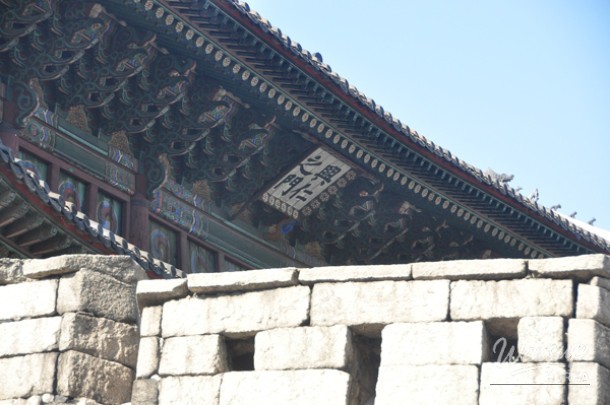
A common question among historians and visitors alike is why Heunginjimun has four characters while the other gates only have three. The answer lies in the ancient practice of Feng Shui. It was believed that Naksan Mountain to the east was lower and its topographical energy was weaker compared to the other surrounding mountains of Hanyang.
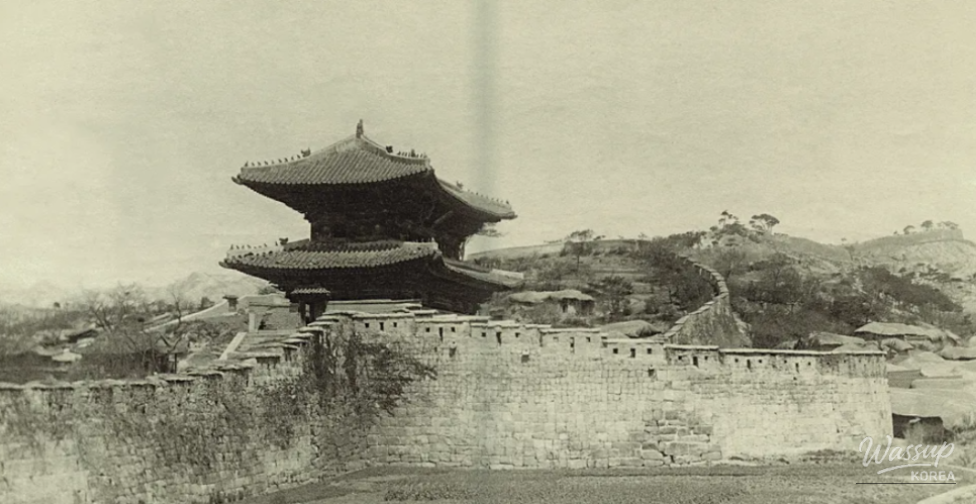
To compensate for this perceived lack of "earth energy" (Jigi), the character '之'—which resembles a winding mountain range—was added to the name. Historical records from the *Diary of the Royal Secretariat* show that even King Yeongjo discussed this issue, finding the explanation that the extra character boosted the city's eastern energy to be highly "convincing."
Historical Visuals of Hanseong's Gates
Old photographs and records provide a glimpse into how these gates anchored the city's identity during the late Joseon period. They were not just stone and wood; they were the spiritual pillars of the nation. Even today, as modern skyscrapers surround them, the gates continue to serve as a bridge between Korea's profound past and its vibrant present.
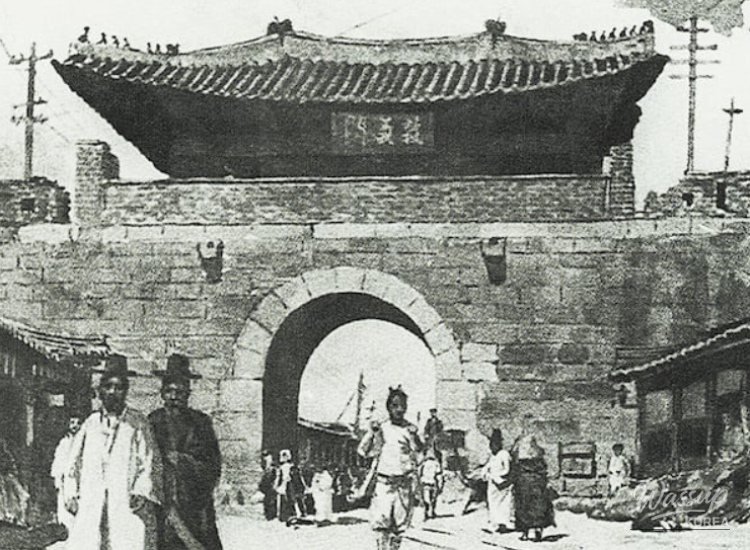
Historical Gate Photo Gallery
Which of these four Confucian virtues—Benevolence, Righteousness, Propriety, or Wisdom—do you think is most important for a modern city today? If you're interested in the hidden history of Seoul, would you like me to find a recommended walking course along the remaining sections of the Seoul City Wall?
No comments yet.