Exploring the Symbolism and Artistic Value of the Dual Lion Lantern at Beopjusa Temple
405 Beopjusa-ro, Naesongni-myeon, Boeun-gun, Chungcheongbuk-do
법주사



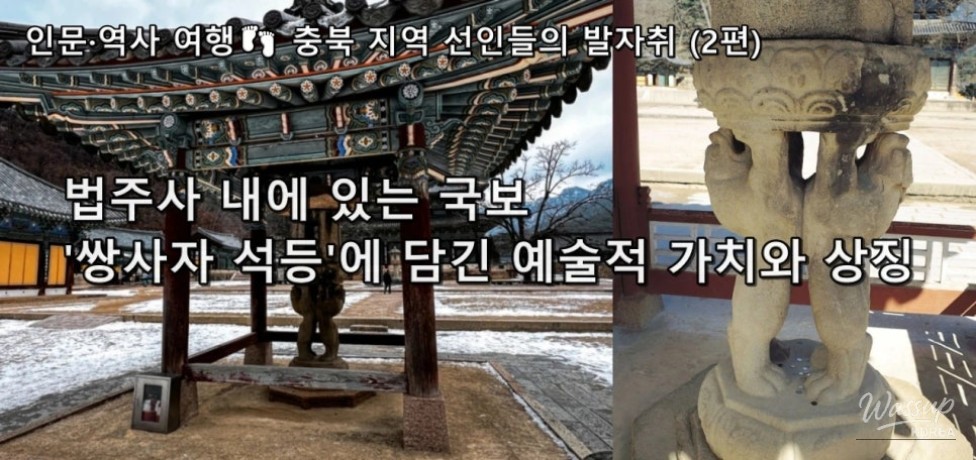
The Dual Lion Lantern at Beopjusa Temple is widely considered the pinnacle of Unified Silla stone craftsmanship. Unlike traditional lanterns, this National Treasure features two lifelike lions supporting a light chamber, symbolizing the strength and wisdom of the Buddha's teachings. It stands as a profound testament to the artistic and spiritual heights reached by ancient Korean artisans.
This masterpiece transcends mere architectural function, embodying the "Lion's Roar" that dispels ignorance and lights the path to enlightenment. By examining its unique structure and symbolic placement within the temple grounds, we can appreciate how the sages of a thousand years ago sought to illuminate the world with eternal truth.
Masterpiece of Unified Silla: Artistic Value and Innovation
The Dual Lion Lantern (National Treasure No. 5) breaks the conventional mold of Korean stone lanterns. Instead of the standard octagonal pillar, it utilizes two muscular lions standing on their hind legs to support the massive fire stone. This radical design showcases an incredible harmony between structural engineering and delicate artistry.
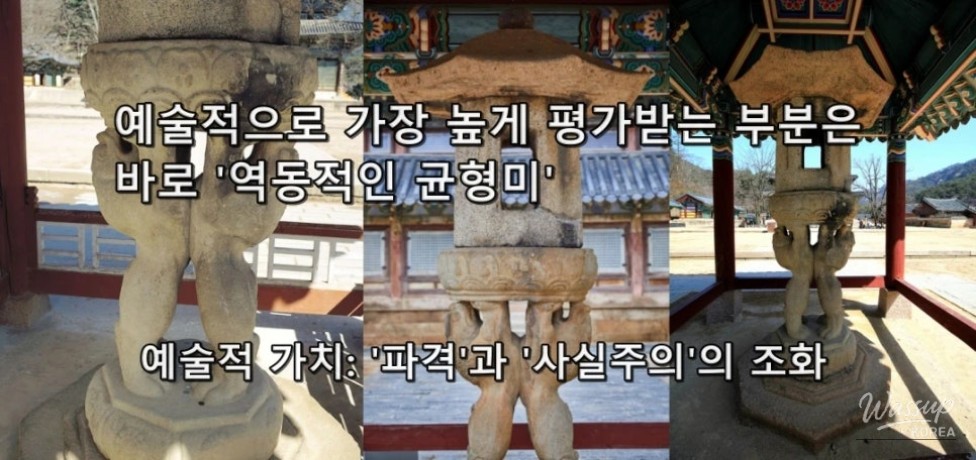
A Dynamic Balance in Stone
The realism found in the lions' manes and muscular tension is breathtaking. Despite the heavy load of the upper stone structures, the figures appear light and full of movement. This suggests that the Silla stonemasons possessed an advanced understanding of load distribution and the physical properties of granite, allowing them to create a work that feels both grounded and ethereal.

Buddhist Symbolism: The Wisdom of the Lion's Roar
In Buddhist tradition, the lion is the "king of beasts" and a symbol of the Buddha's majesty. The light held by the lions represents the wisdom of the Buddha, which dispels the darkness of ignorance. This metaphor, known as the "Lion's Roar," signifies the power of truth to reach all corners of the world and awaken sentient beings.
Spatial Significance and the Maitreya Faith
The lantern is strategically placed between the Hall of Eight Scenes (Palsangjeon) and the Main Buddha Hall (Daeungbojeon). This placement is not accidental; it represents a spiritual bridge between the past and the future, central to the Maitreya faith of Beopjusa. It serves as a visual reminder to keep the light of truth burning eternally within the temple's sacred space.

Legacy of a Thousand Years: The Eternal Smile
The Dual Lion Lantern is more than just a relic of the past; it is a physical manifestation of ancient prayers for peace and enlightenment. Standing before it in the quiet air of the temple, one can feel the dedication of the craftsmen who carved their faith into stone. It continues to inspire awe in visitors today, just as it did over a millennium ago.

When you look at the intricate details of the lions, what kind of emotions do you think the ancient Silla artisans wanted to convey to future generations? If you're visiting Beopjusa, would you like to explore the nearby hiking trails of Songnisan National Park as well?
No comments yet.