Exploring the Historical Significance of Yeonpung Hyangcheong
충청북도 괴산군 연풍면 삼풍리 165-1




Yeonpung Hyangcheong is a historic Joseon-era government building located in Yeonpung-myeon, Goesan County. Once a core administrative space, it offers a glimpse into how local governance functioned in rural Korea centuries ago.
Beyond architecture, the site reflects layers of history, from Joseon administration to Japanese occupation and later religious use as a Catholic chapel.
Today, it stands as a quiet but meaningful cultural heritage site, connecting local administration, transportation history, and regional faith.
Overview of Yeonpung Hyangcheong
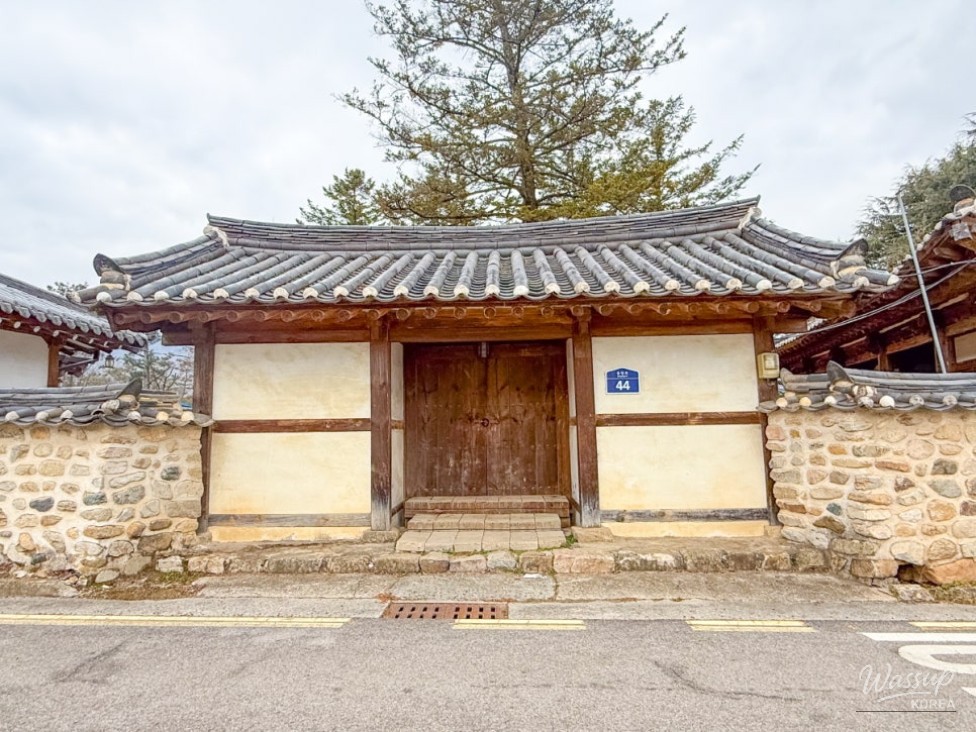
Yeonpung Hyangcheong is located at 44 Jungang-ro, Yeonpung-myeon, Goesan-gun, in North Chungcheong Province. It served as the central administrative and public safety facility of Yeonpung-hyeon during the Joseon Dynasty.
Originally constructed in 1691 during the reign of King Sukjong, the building continued to be used as a government office during the Japanese occupation period.
In 1963, the Catholic Church purchased the structure and repurposed it as a chapel, adding another layer to its historical narrative.

Meaning of Hyangcheong in Joseon Administration
The term Hyangcheong refers to a local administrative office where regional officials supported the provincial governor and influential local figures gathered to discuss governance.
These spaces functioned similarly to modern local government councils, handling taxation, public order, and citizens’ grievances.
At Yeonpung Hyangcheong, local scholars and officials worked together, while also providing a system of mutual oversight that helped balance the power of local governors.
Strategic Importance of Yeonpung Region
Historically, Yeonpung was a key transportation hub connecting Hanyang and Yeongnam, making it an area of both military and administrative importance.
Its proximity to Joryeong, also known as Yeonpungsaejae, meant that defense and traffic control were critical responsibilities of the local government.
Despite being a small town, Yeonpung-hyeon developed a relatively systematic governmental facility, reflecting its strategic role in regional administration.

Architectural Characteristics
The architecture of Yeonpung Hyangcheong represents the typical style of late Joseon government buildings.
It is a modest wooden structure focused on practicality and functionality rather than decorative elements.
The courtyard-centered layout emphasizes its role as a public space where meetings, discussions, and official duties were carried out.

Present Condition and Nearby Sites
Yeonpung Hyangcheong has survived through multiple restorations and repairs over time.
Although not all original structures remain intact, the existing buildings and site layout allow visitors to infer the scale and function of the former government office.
Nearby historical sites include remnants of the Yeonpung-hyeon office and the Yeonpung Martyrs Shrine, enriching the overall historical experience.

Yeonpung Martyrs Shrine and Religious History
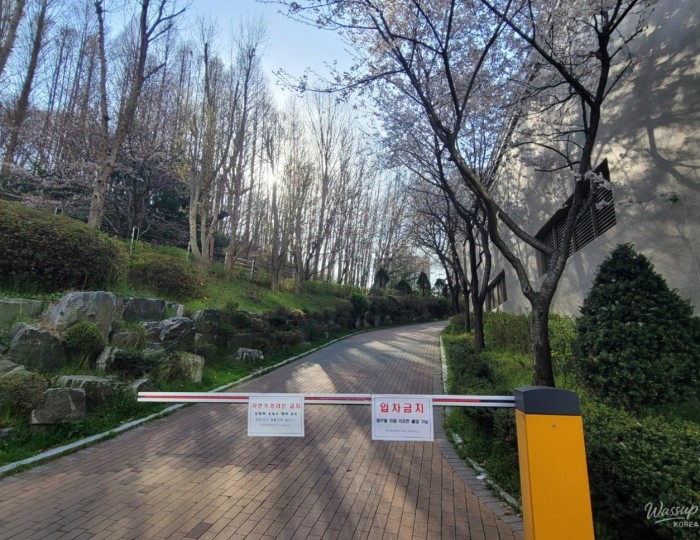
Today, the main gate of Yeonpung Hyangcheong remains closed, and visitors must enter through the Yeonpung Martyrs Shrine to view the site.
Adjacent to the Hyangcheong stands a statue of Archbishop Nicholas Oh, the first Korean bishop.
The statue commemorates the 45th anniversary of his episcopal ordination, highlighting the site’s later role in Korea’s Catholic history.


No comments yet.