Exploring the Hanyang Doseong and Naksan Park
288 Jong-ro, Jongno-gu, Seoul
흥인지문



The Hanyang Doseong (한양도성), or the Seoul City Wall, offers a unique way to experience the capital’s 600-year history through a series of scenic trails. This specific route begins at the majestic Heunginjimun Gate and winds through peaceful museums and the ridge of Naksan Mountain, blending historical landmarks with the quiet charm of local neighborhood streets.
Rather than a strenuous mountain hike, this walk is a reflective journey designed for those who appreciate city views and layered historical narratives. From the well-preserved fortress walls to the vibrant cultural spots near Hyehwa Gate, it is a course that showcases the harmonious coexistence of Seoul's ancient past and its bustling present.
Starting the Journey at Heunginjimun
Observing the Architectural Grandeur of Dongdaemun
The walk begins at Heunginjimun (흥인지문), commonly known as Dongdaemun. While many pass by this gate daily, a closer look reveals the unique "Ongseong" (outer wall), a semi-circular defensive structure that wraps around the gate. This architectural feature, rarely seen in other city gates, adds a sense of fortress-like security and mystery to the site.
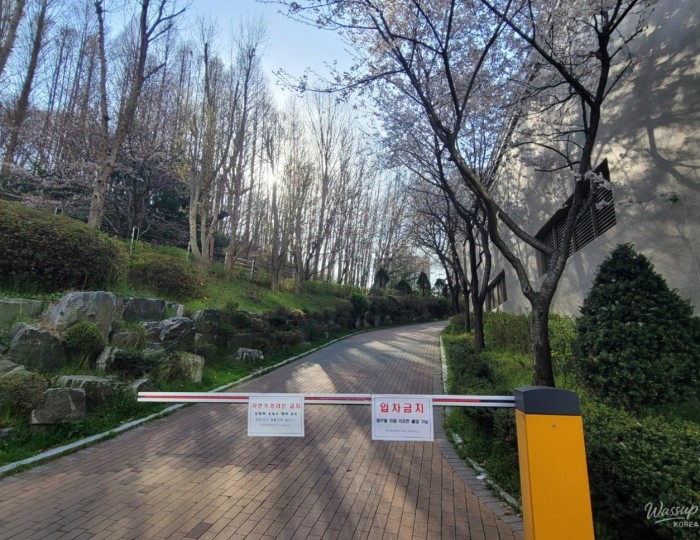
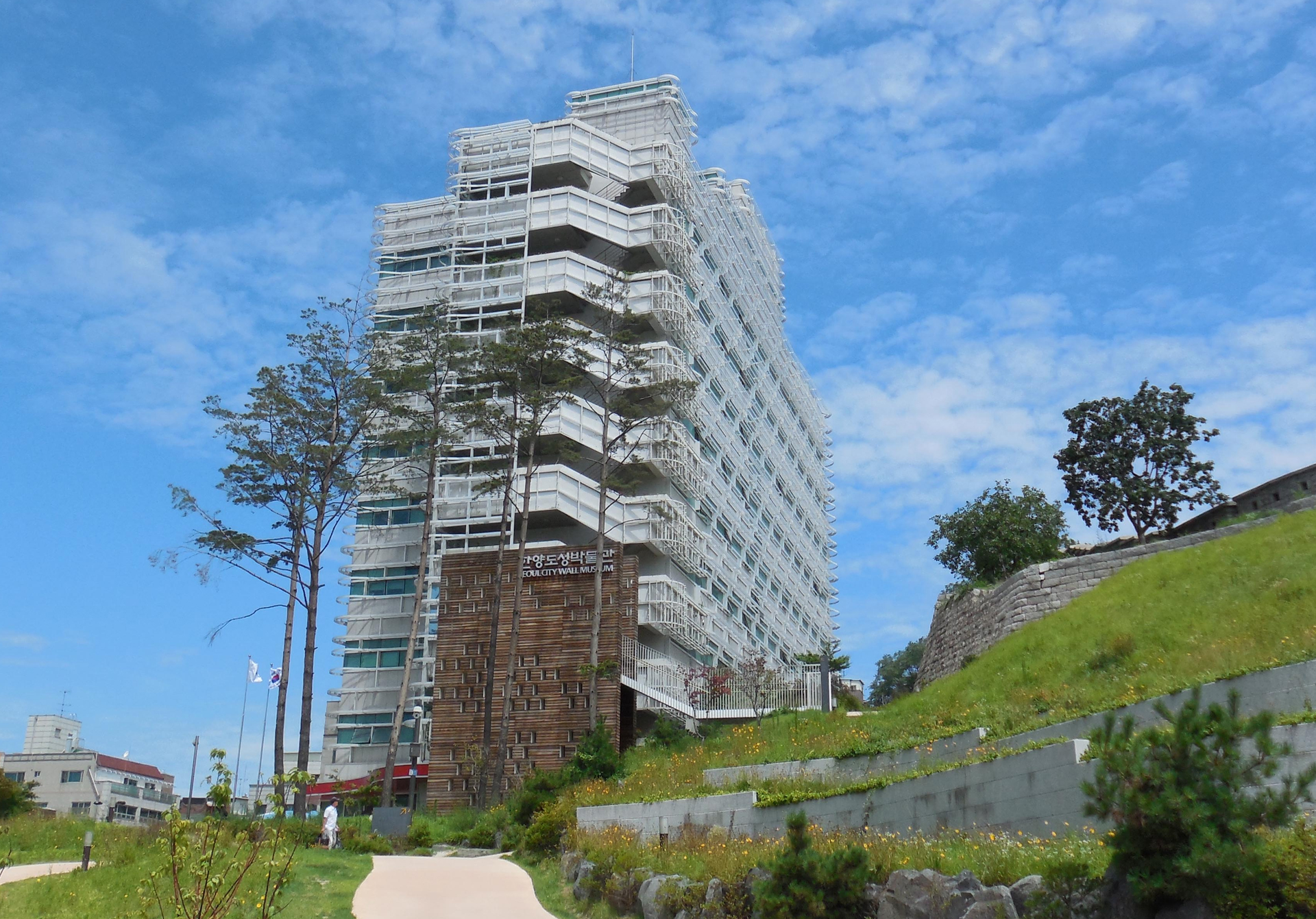
Directly across from the gate is Heunginjimun Park, a rising slope that offers an immediate escape into greenery. As you ascend, the busy city traffic fades away, replaced by the rhythmic stones of the city wall leading toward the Hanyang Doseong Museum, which sits quietly on the hill overlooking the historic district.
Deep Dive into the Hanyang Doseong Museum
Understanding the Life and Restoration of the Wall
Housed within the Seoul Design Foundation building, the Hanyang Doseong Museum is a three-story facility dedicated to the wall's construction, management, and restoration. The first floor provides a broad introduction, while the second floor features a resource room and a poignant special exhibition on the wall's destruction during the Japanese colonial period.
The third floor offers the most comprehensive look at the fortress’s long history, detailing the labor-intensive construction techniques of the Joseon Dynasty and the modern efforts to restore its original glory. It serves as a perfect educational pause, giving visitors the context needed to appreciate the stones they will walk alongside during the rest of the trek.
Climbing the Scenic Ridge of Naksan
Panoramic City Views from the Summit
Leaving the museum, the trail follows the inner fortress path toward Naksan (낙산). At a modest height of 124.3 meters, it is the lowest of Seoul’s four inner mountains, making it an easy climb for walkers of all levels. From the summit, the jagged peaks of Bukhansan unfold in the distance, providing a stunning contrast to the urban skyline below.
Descending slightly from the peak leads into Naksan Park, a popular filming location for numerous K-dramas. The park’s playground and resting areas offer a space for families and couples to enjoy the view, making it one of the most romantic spots in the city, especially as the evening lights begin to flicker across the capital.
Outer Fortress Path and Hyehwa Gate
A Blend of Traditional Walls and Modern Cafes
For a different perspective, exiting to the outer fortress path allows you to walk right at the base of the massive stones. This section is lined with charming cafes and quiet residential alleys, where the ancient wall serves as a backyard fence for local homes. It is here that the lived history of Seoul feels most intimate and accessible.
The wall briefly breaks at the busy Changgyeonggung-ro but reappears at Hyehwa Gate (혜화문), also known as Dongsoomun. Passing through the vibrant energy of Daehak-ro and returning toward Naksan Park completes a full loop of historical discovery, leaving walkers with a deep sense of calm and a renewed appreciation for Seoul's enduring heritage.
The Hanyang Doseong trail offers a different atmosphere depending on whether you walk the inner or outer path. Have you ever explored a city where ancient ruins are so seamlessly integrated into daily life? If you're planning to finish your walk near Hyehwa Gate, would you like me to recommend some famous local eateries in the nearby Daehak-ro area to recharge after your journey?
No comments yet.