Experience History: Winter Vacation Program at the National Museum of Korea
137 Seobinggo-ro, Yongsan-gu, Seoul
국립중앙박물관


The National Museum of Korea (국립중앙박물관) in Seoul offers a specialized winter vacation history program designed specifically for elementary school students. Hosted by Live Museum, this "Elementary History Experience" provides a unique educational journey where children can step out of the classroom and engage directly with Korea's rich cultural heritage through real artifacts and professional storytelling.
By blending expert docent explanations with interactive elements, the program transforms the museum into a vibrant classroom. It is an ideal winter activity for parents seeking to foster a natural interest in history within their children, offering a meaningful way to spend the school break while exploring one of the world's most significant cultural institutions.
Engaging Winter History Special Lectures
A Curated Educational Path for Young Historians
The winter special lecture is carefully structured to make complex historical timelines easy and enjoyable for children to grasp. Covering various eras of Korean history, the docents use child-friendly language to explain the significance of the museum's major exhibits, ensuring that every student remains engaged and curious throughout the session.
This program goes beyond mere observation; it encourages active participation. Children are invited to ask questions and share their thoughts, creating a dynamic learning environment. This interactive format is particularly effective during the winter break, keeping students' minds sharp and inspired while they enjoy their time away from school.
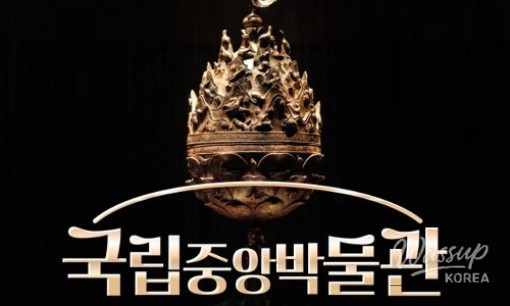
Hands-on Learning with Authentic Artifacts
The Power of Real-World Observation
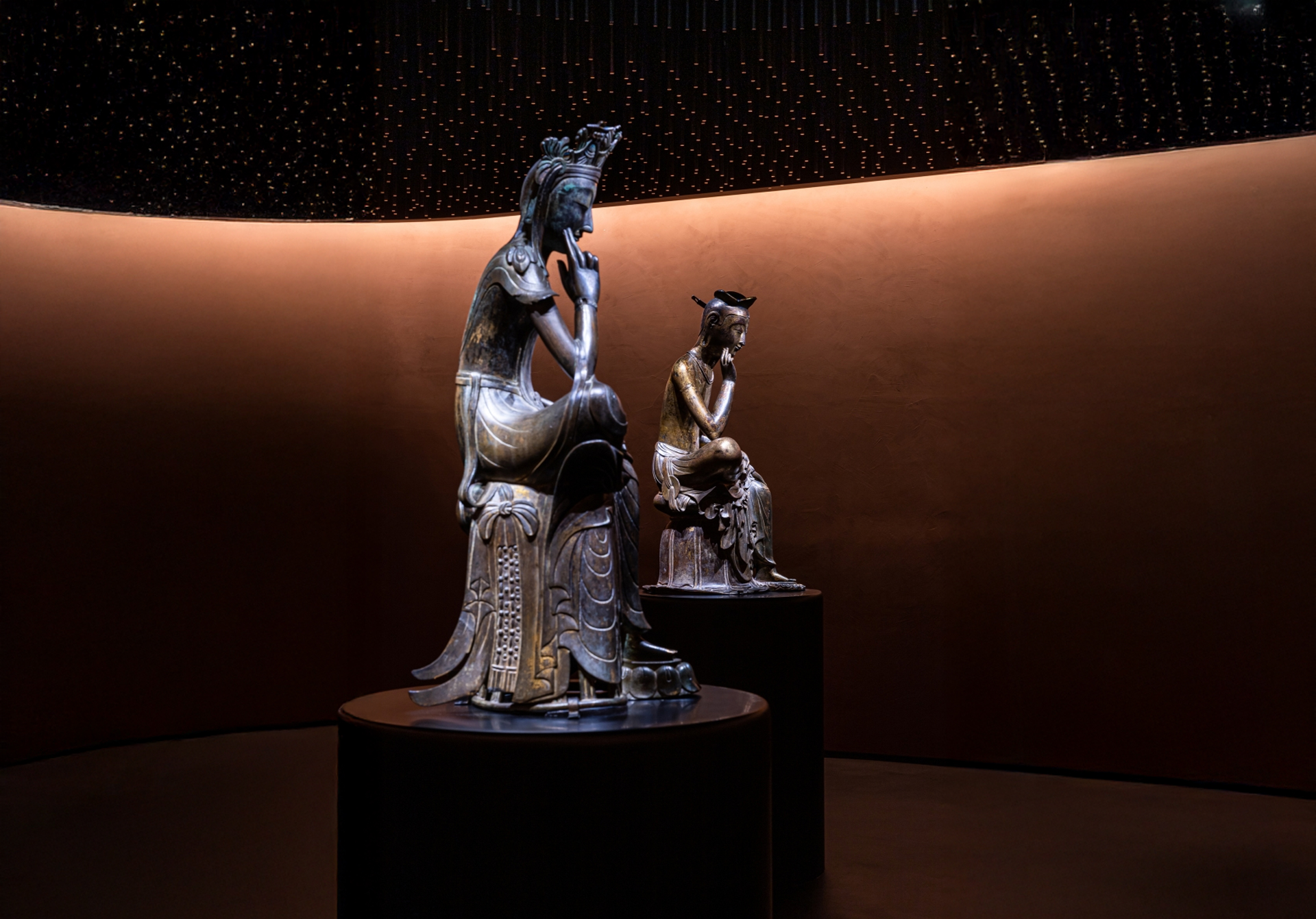
One of the greatest strengths of the Live Museum program is the opportunity for students to stand directly in front of real historical treasures. Seeing the scale, texture, and detail of authentic artifacts helps children absorb knowledge more effectively than through textbooks alone. It bridges the gap between historical facts and the tangible reality of the past.
Whether examining ancient pottery or intricate royal ornaments, the sensory experience of being in the gallery helps solidify historical concepts. This "live" aspect of the museum visit sparks a genuine curiosity that often leads to a lifelong appreciation for culture and history, a sentiment that resonates with the participating parents as well.
Participant Feedback and Experiences
Enthusiastic Reactions from Children and Parents
The reactions from the children are overwhelmingly positive, with many showing a newfound excitement for historical discovery. Parents have noted that their children often continue to discuss what they learned long after the program ends. The experience serves as a powerful reminder of how joyful and effortless learning can be when presented in an engaging, hands-on format.
While the enthusiasm for the program is high, some participants have noted that the session feels a bit short because the children are so immersed in the topics. This feedback highlights just how successful the program is at capturing the attention of its young audience, leaving them wanting even more time to explore the vast collections of the National Museum.
Planning Your Winter Museum Visit
Tips for a Successful Educational Outing
For parents interested in this program, it is essential to check the official National Museum of Korea or Live Museum websites for specific schedule updates and reservation details. These winter lectures are highly popular and often require early booking to secure a spot for your child. The museum itself is free to enter, though specialized programs like this may have a separate participation fee.
Beyond the lecture, the museum features excellent facilities including a dedicated Children's Museum, comfortable resting areas, and a gift shop filled with educational souvenirs. It is conveniently accessible via Ichon Station (Line 4 and Gyeongui-Jungang Line), making it a stress-free destination for a productive and fun-filled winter day in Seoul.
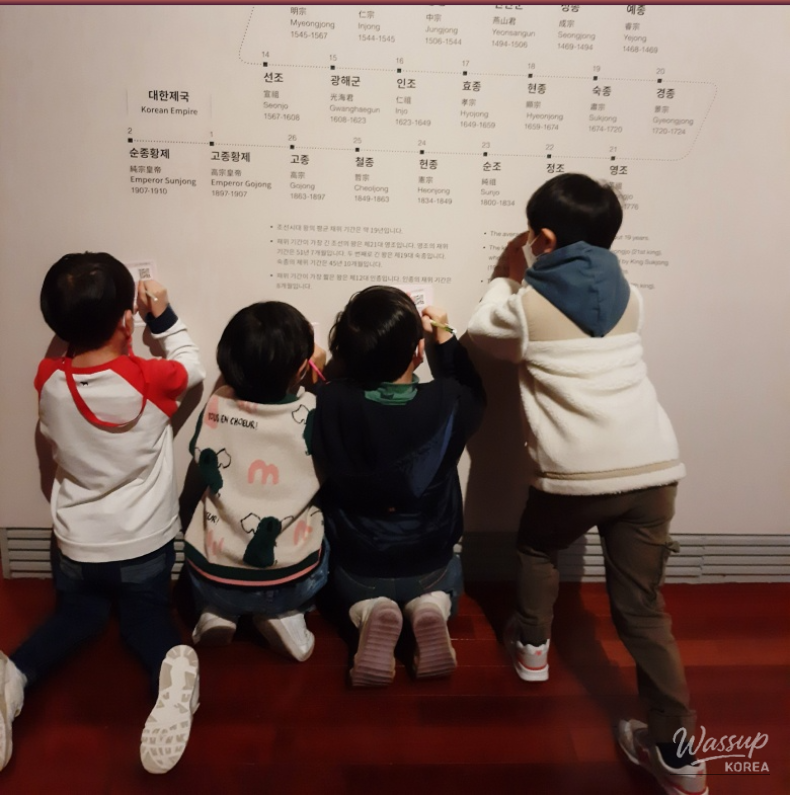
Engaging with history through real artifacts can change a child's entire perspective on the world. What part of Korean history—from the Three Kingdoms period to the Joseon Dynasty—do you think your child would be most fascinated to see in person? Would you like more information on how to reserve a spot for the next session or perhaps tips on the best child-friendly restaurants near the museum?
No comments yet.