Commemorating the 80th Anniversary of Korean Liberation: An Exhibition of Anti-Japanese Heritage at Deoksugung Palace
99 Sejong-daero, Jung-gu, Seoul
덕수궁


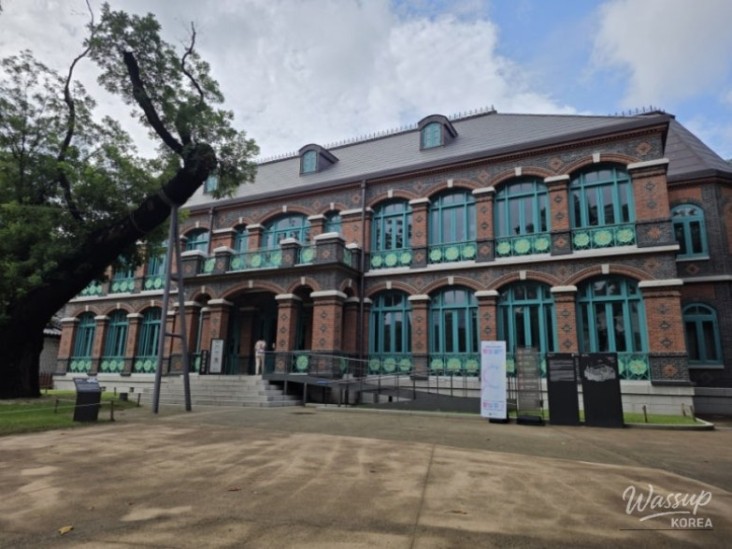
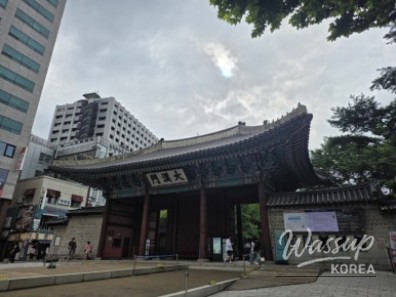
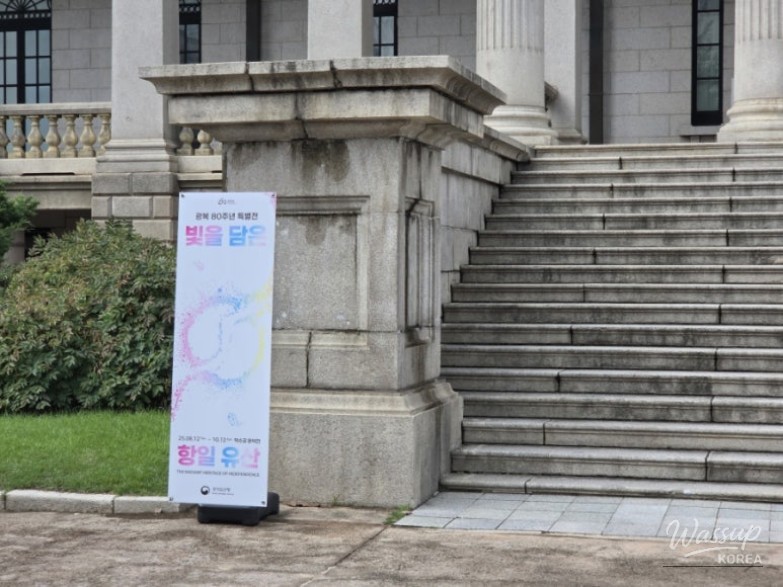
To commemorate the 80th anniversary of Korean Liberation in 2025, a moving special exhibition titled 'Anti-Japanese Heritage Imbued with Light' is being held at Deoksugung Palace (덕수궁). Located specifically within the beautifully restored Dondeokjeon Hall, this exhibition serves as a solemn tribute to the independence activists and righteous armies who fought tirelessly against imperial Japanese rule. The Dutch-style stone building provides a historical backdrop that contrasts the struggle for sovereignty with the Western influence of the era.
Visitors can explore rare artifacts and documents, including the Japanese 'blacklist' of Korean rebels and personal records of martyrs like Min Yeong-hwan and Yu Gwan-sun. This exhibition is more than just a historical display; it is a space for reflection on the purpose and resilience of the people who defended the nation's spirit when its sovereignty was at stake. It offers a profound look at the leaders and anonymous citizens whose combined efforts eventually bore the fruit of liberation.
Honoring the Sacrifice of the Righteous Army
The exhibition begins by highlighting the stark contrast between the traitors of the Eulsa Treaty and the righteous armies who rose up in indignation. Documents from the Japanese colonial administration reveal the surveillance of independent righteous armies, including figures like General Hwang Sun-il. His words, "If the people do not have the military, what can they believe in," resonate deeply throughout the hall.
One of the most poignant stories is that of Min Yeong-hwan, who chose to end his own life rather than see his country annexed. It is said that a 'blood bamboo' grew at the site of his sacrifice, symbolizing an unyielding spirit. These stories of purposeful leaders and patriotic commoners remind us that the nation's defense was a collective endeavor fueled by raw courage.
Intellectual Resistance and the Youth Movement
From the February 8 Declaration to the March 1st Movement
A significant portion of the exhibition is dedicated to the young intellectuals and students who pioneered the independence movement abroad. The February 8 Declaration of Independence by Korean students in Tokyo was a spark that eventually ignited the nationwide March 1st Movement. Seeing the mugshots and records of surveillance targets like Ahn Chang-ho and the youthful martyr Yu Gwan-sun is a heart-breaking experience that brings the reality of their suffering to life.
The exhibition also showcases the original 'Malmoe' (the first Korean dictionary manuscript), which represents the battle to preserve the Korean language. From the enlightenment movements of Yun Bong-gil to the diplomatic efforts of Lee Dong-nyeong and Jo So-ang, every artifact illustrates a different facet of the cultural and political resistance that ultimately secured Korea's freedom.
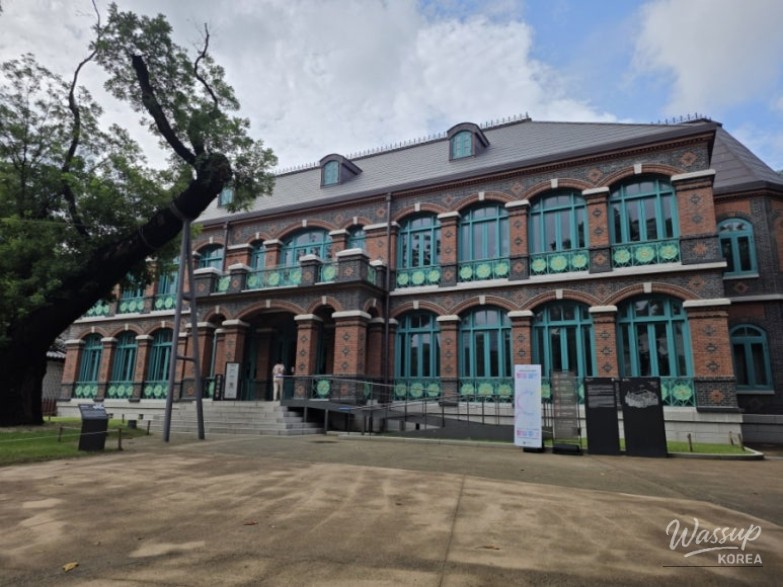
Dondeokjeon: A Symbol of Restoration and Remembrance
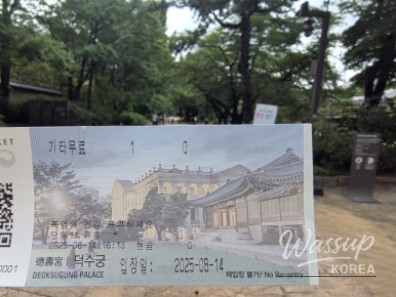
While many visitors flock to the famous Seokjojeon Hall, which requires a prior reservation, Dondeokjeon Hall offers a more accessible yet equally significant experience. This Dutch-influenced stone building, which once served as a guest house for foreign envoys, has been reborn as a space for historical education. By supporting the National Trust for Cultural Heritage, visitors can contribute to the preservation of sites like this while enjoying free admission to many royal palaces.
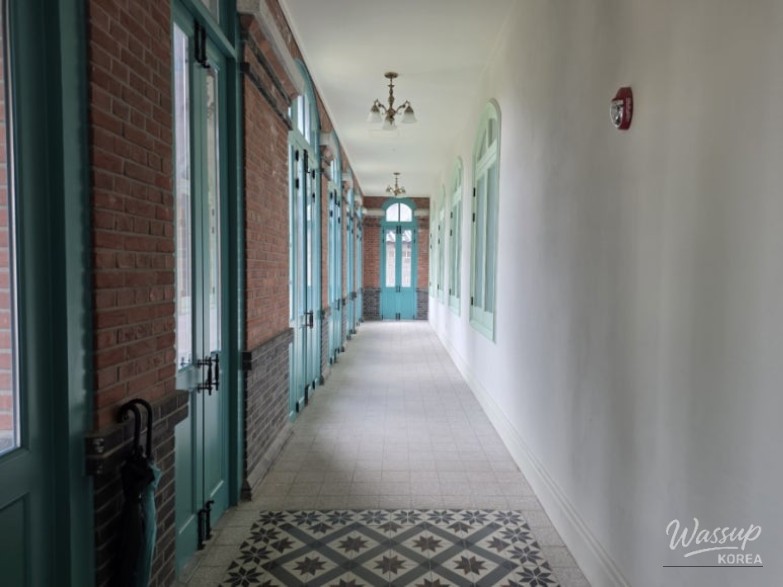
Walking through the 'Anti-Japanese Heritage Imbued with Light' exhibition is a special moment of education and emotion. As the City Hall plaza across the street prepares for festive celebrations, the quiet halls of Dondeokjeon provide the necessary context for why liberation is celebrated so fervently eight decades later. It is a must-visit for anyone wishing to understand the soul of modern Korea.
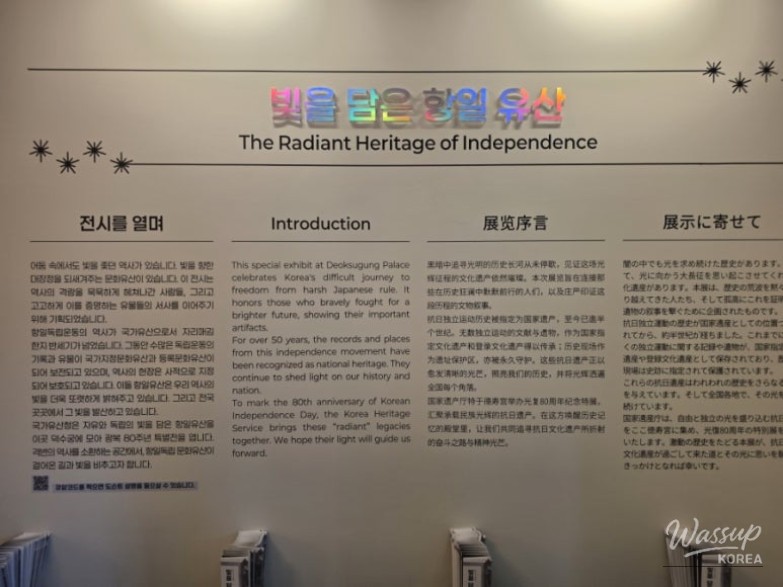
Are you more interested in the intellectual history of the student movements in Tokyo, or do the stories of the grassroots righteous armies resonate more with you? If you are planning to visit Deoksugung soon, would you like me to find the best time to see the changing of the guard ceremony or recommend a nearby cafe with a view of the palace wall?
No comments yet.