Autumn Memories at Sejong Im Nan-su Ginkgo Tree Historical Park
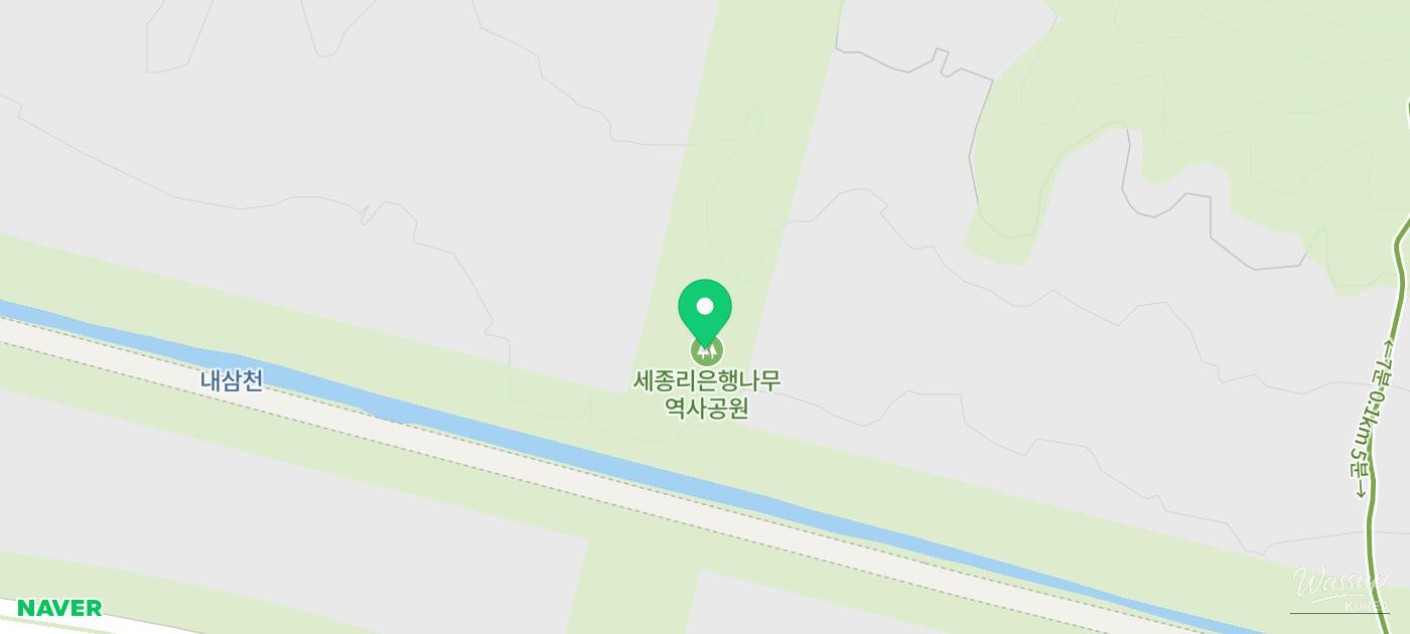
Sejong-ri, Sejong-si (Near the Sejong Traditional Culture Experience Center)
세종 임난수 은행나무 역사공원



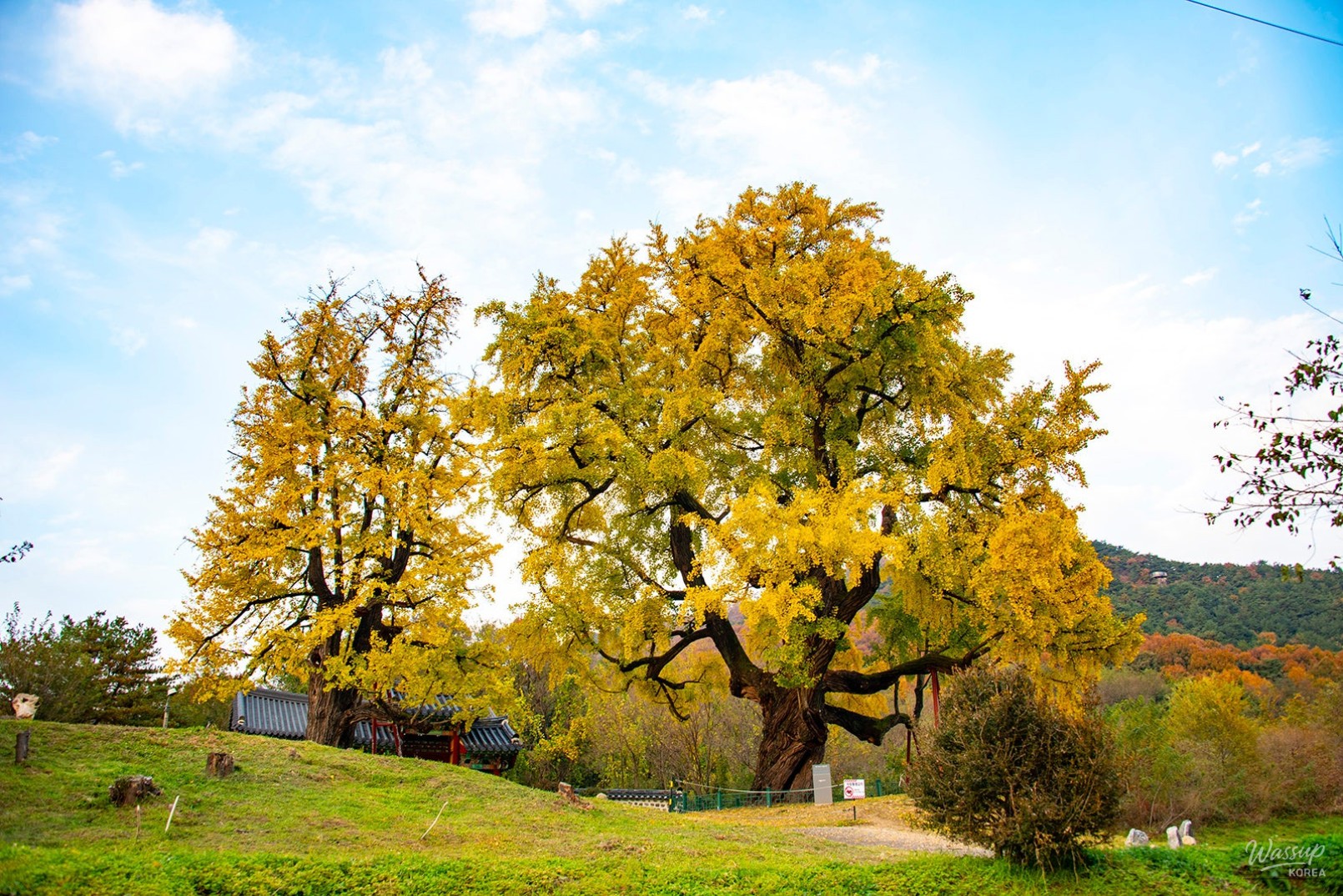
At the foot of Jeonwol Mountain in Sejong City, two majestic ginkgo trees stand as silent sentinels of history. These trees, designated as Natural Monument No. 565 in 2022, are known as the 'Sejong Im Nan-su Ginkgo Trees.' Planted over 600 years ago, they tell a poignant story of loyalty, resilience, and the enduring bond of a pair that has weathered centuries together.
Once part of Yanghwa-ri, the ancestral home of the Buan Im clan, the surrounding area has been transformed by the development of Sejong City. Today, only this historical park remains, preserving the trees and the shrine of General Im Nan-su. A visit here offers a rare chance to witness a "golden wave" of foliage while reflecting on the steadfast spirit of a Goryeo loyalist who chose this peaceful spot to maintain his devotion to a fallen kingdom.
The Legend of General Im Nan-su
A Warrior's Loyalty Planted in the Soil
General Im Nan-su (1342-1407) was a famed warrior of the late Goryeo Dynasty. Legend has it that during the conquest of Tamna in 1374, he was so fierce that when his right arm was severed by an enemy, he simply tucked the arm into his quiver and continued to fight. When the Goryeo Dynasty fell to Yi Seong-gye (the founder of Joseon), the General chose exile over serving a new king. He moved to this site, planting these two ginkgo trees to symbolize his undying loyalty to Goryeo.
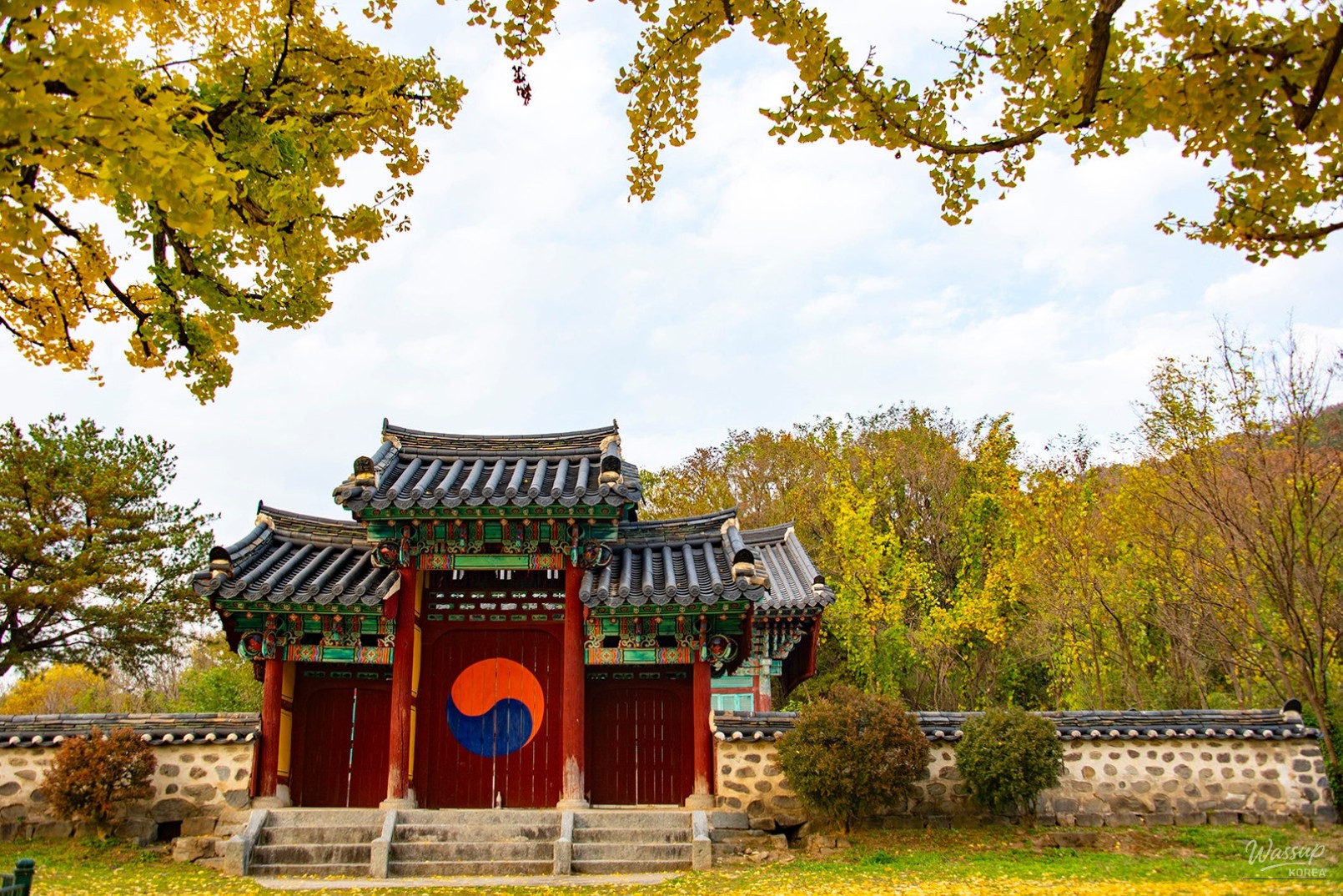
The Sungmogak shrine, located between the trees, commemorates his life. While the main gate (Sotsul Sammun) is usually closed to protect the site, the shrine stands as a "bujomyoo," a permanent place of honor granted by King Sejong the Great, acknowledging that even an enemy's loyal subject deserves eternal respect.

A Pair Beyond Time: Male and Female Trees
Masculine Strength and Feminine Grace
What makes this site unique is the distinct personalities of the two trees. Standing side-by-side, they appear as an affectionate couple holding arms:
- The Male Tree (Left): Features rugged, "muscular" bark and branches that spread wide and horizontally, exuding a sense of protective strength.
- The Female Tree (Right): Grows straight and slender toward the sky. Despite being over 600 years old, it still bears a bountiful harvest of ginkgo fruit every year.
The contrast between the two creates a balanced harmony. In mid-November, their leaves turn a vivid, uniform yellow, creating a spectacular golden ceiling that glows even more brilliantly against a clear autumn sky.

Autumn Serenity and Sunset Views
A Hidden Spot for Photography and Reflection
As the sun begins to set over Jeonwol Mountain, the park undergoes a magical transformation. The yellow leaves catch the orange glow of the sunset, and the white clouds turn the color of autumn foliage. It is a quiet, contemplative space far removed from the city's construction noise, perfect for those looking to "log out" and enjoy a moment of peace.
Even after the leaves begin to fall, the park remains beautiful. The ground becomes a thick carpet of gold, inviting visitors to walk softly and create final autumn memories. It is a reminder that while the foliage is fleeting, the history rooted in this ground is eternal.
Visitor Tips
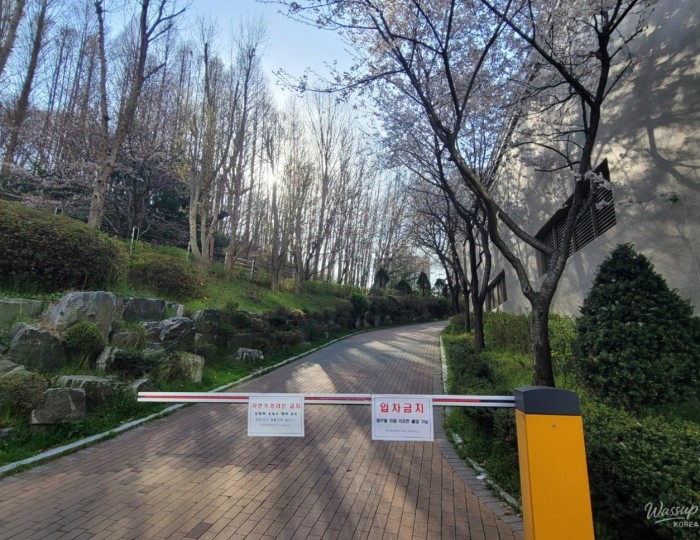
- Finding the Entrance: The park is currently surrounded by construction fences. Enter through the Gwangjesa (Sejong Traditional Culture Experience Center) and follow the small signs on the right toward the historical park.
- Parking: A small, convenient parking lot is located just across the stream bridge from the trees.
- Best Time to Visit: Mid-November is peak season for the golden foliage. Late afternoon visits are recommended to catch the sunset between the two trunks.


The story of General Im Nan-su and his ginkgo trees is a testament to the fact that some values—like loyalty and love—never fade. Have you ever visited a natural monument that felt like it had its own personality? If you're heading to Sejong, would you like me to find a nearby traditional tea house where you can warm up after your walk through the golden leaves?
No comments yet.