Are the Statues in Front of Gwanghwamun Really Haechi? The Case of the Stone Guardians
161 Sejong-daero, Jongno-gu, Seoul
광화문



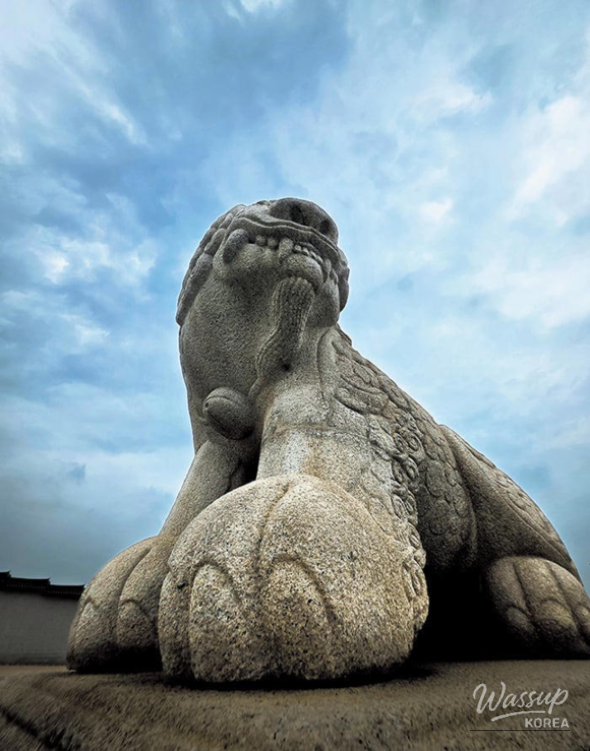
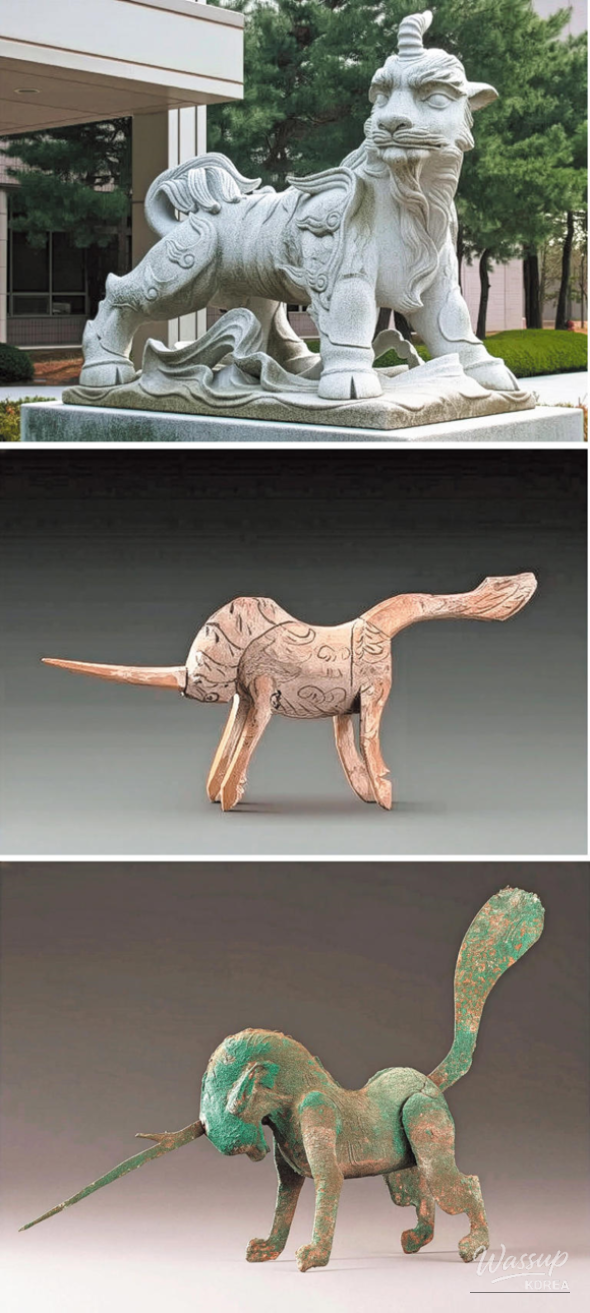
The stone statues standing in front of Gwanghwamun (광화문) are widely known today as 'Haechi,' the mythical creature of justice. However, a closer historical and anatomical examination suggests a surprising possibility: they are likely lions. Traditionally, these beasts served as boundary markers and protectors of the palace, but the distinction between the hornless lion and the single-horned Haechi has been blurred over centuries of administrative errors and cultural shifts.
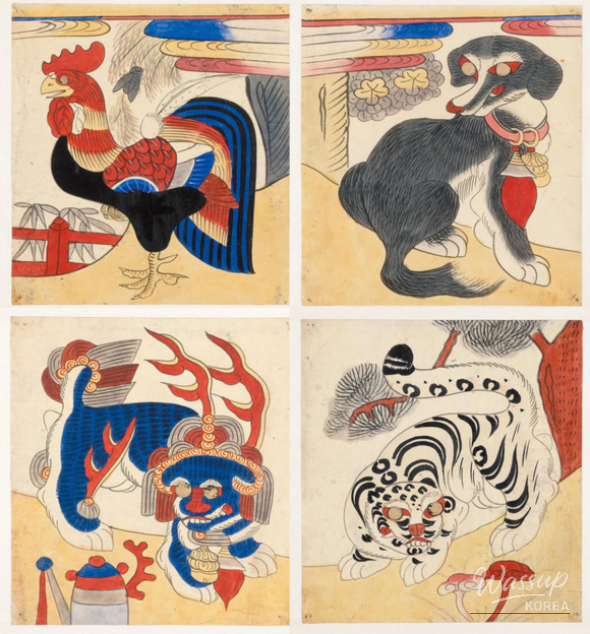
From folk paintings used to ward off evil spirits to the formal insignia of Joseon officials, animals like chickens, dogs, lions, and tigers played a vital role in Korean belief systems. This post explores the fascinating journey of how a misconception by King Gojong and the influence of Buddhist art transformed these guardian lions into the modern symbol of Seoul, the Haechi.
The Folklore of Protective Animals: Gyegyeonsaho
In the late 19th century, Joseon society relied on 'Munbaedo'—paintings of animals attached to doors—to ward off evil. These animals, collectively known as Gyegyeonsaho (Chicken, Dog, Lion, and Tiger), each had a specific post. While tigers guarded the main gates, lions were typically assigned to kitchen or attic doors. These folk-style lions were often depicted with drooping ears, bulging eyes, and distinct collars with bells.
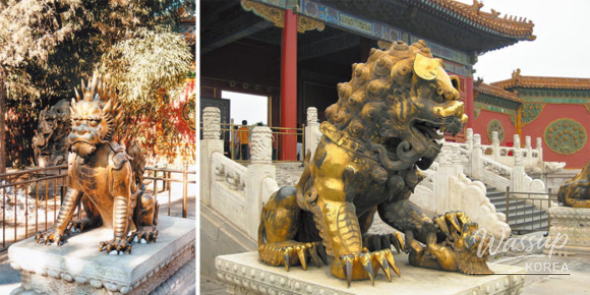
Lions have globally symbolized power and authority, from the bronze statues of Beijing’s Forbidden City to the stone guardians of Seoul. Over time, the plain folk style of the lion merged with Buddhist aesthetic influences, resulting in the humorous, circular-patterned manes we see on military insignia and palace sculptures today.
Haechi: The Legendary Creature of Justice
The Symbolism of the Single Sharp Horn
The true defining characteristic of a Haechi is its single, sharp horn. According to ancient legends, this creature used its horn to ram or bite those who were unrighteous. This made the Haechi a symbol of law and justice, which is why it was embroidered on the insignia of the Grand Censor (Daesaheon) during the Joseon Dynasty. Without a horn, the creature loses its mythological ability to punish evil.
The Gwanghwamun Identity Crisis
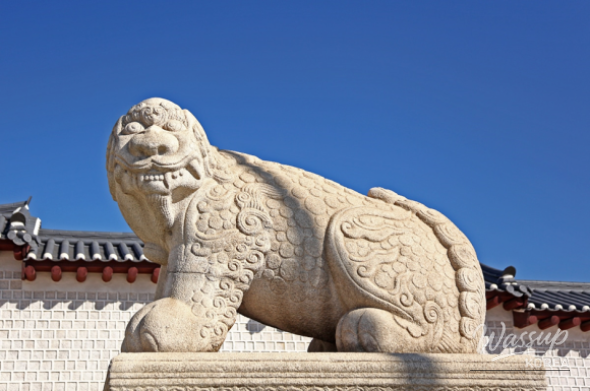
If a Haechi must have a horn, why do the statues at Gwanghwamun lack them? Historical records from the Annals of the Joseon Dynasty show that King Gojong referred to these stone beasts as Haechi when ordering officials to dismount their horses. Because the King called them Haechi, the name stuck, despite the statues possessing the physical traits of lions—specifically the lack of a horn and the presence of a decorative collar with a bell.

Scholars note that the spiral patterns on the heads of these statues are often mistaken for horns, but they are actually Yeouidumun (Ruyi head patterns) common in Buddhist art. This suggests that the Gwanghwamun guardians are specialized lions meant to prevent fire and guard the royal boundary, rather than the judicial Haechi found in traditional legal institutions.
A Modern Symbol Born from Misconception
Throughout the colonial period and into the 21st century, the identity of these beasts wavered between lion, Haechi, and Haetae. Today, the Haechi has become firmly established as the official mascot of Seoul. While the anatomical evidence points toward lions, the cultural significance of the 'Gwanghwamun Haechi' has created a new legacy of justice and protection that defines the heart of the city.
Photo Gallery
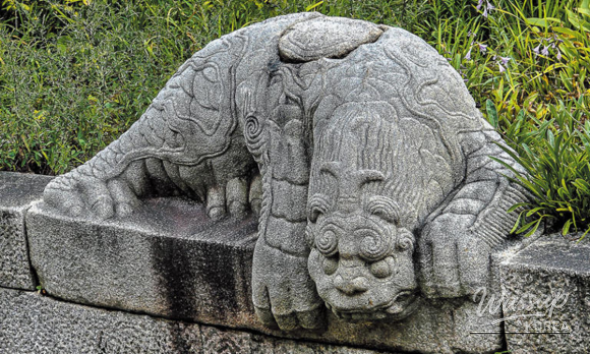
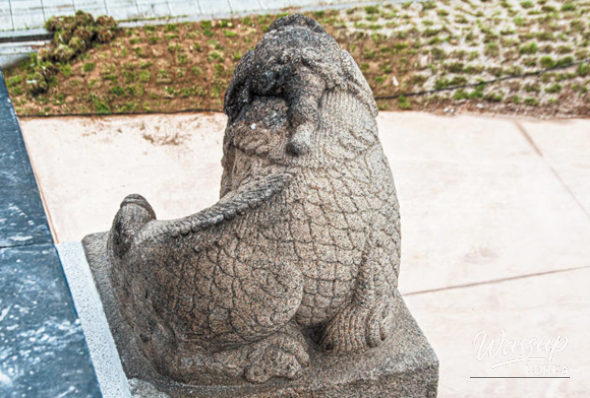
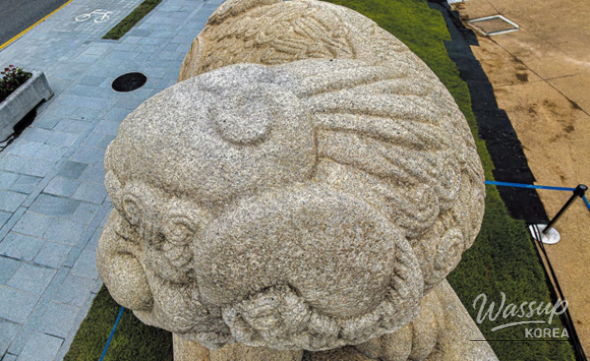
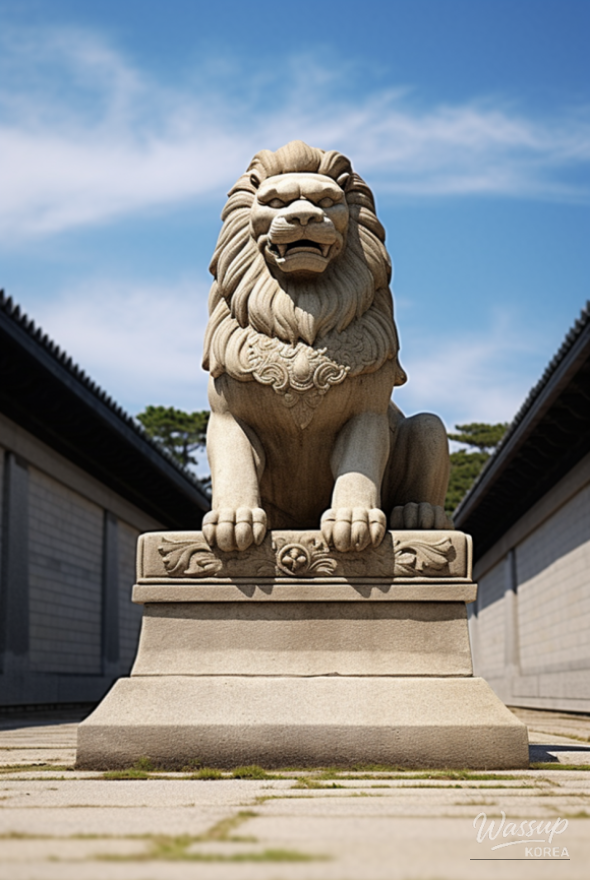
Do you believe these statues should be called by their historical anatomical name as lions, or do you prefer the modern cultural identity of the Haechi? When you visit Gyeongbokgung Palace next time, why not take a close look at their foreheads to see if you can spot a horn or a bell for yourself?
No comments yet.