A Meaningful Visit to the Special Exhibition Honoring Lee Sun-sin




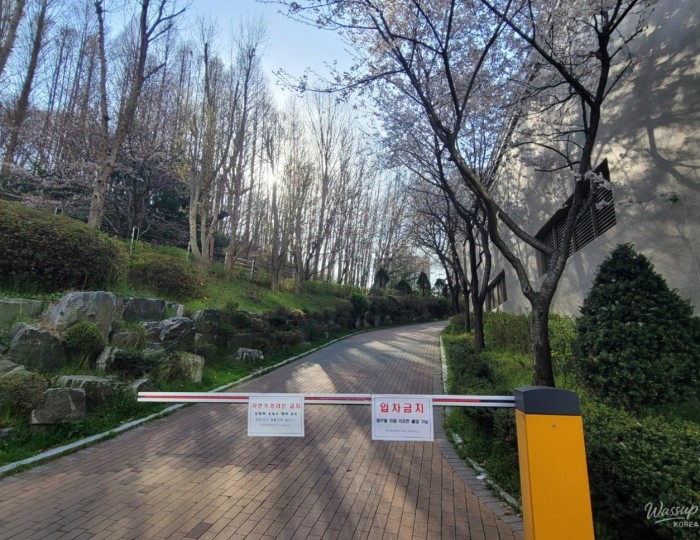
I visited the special exhibition “Our Admiral Yi Sun-sin” at Gukjungbak with my senior fishing buddies.
The exhibition brought together an extraordinary number of authentic historical artifacts rarely seen in one place.
Beyond the famous battles, it offered deeper insight into the character and decisions that shaped Joseon’s fate.
Why Yi Sun-sin Still Stands Alone
According to the Annals of the Joseon Dynasty, there were actually nine admirals named Yi Sun-sin.
Yet when we hear the title “Admiral Yi,” only one figure comes to mind.
Perhaps it is not only his military victories, but the strength of his character that sets him apart.
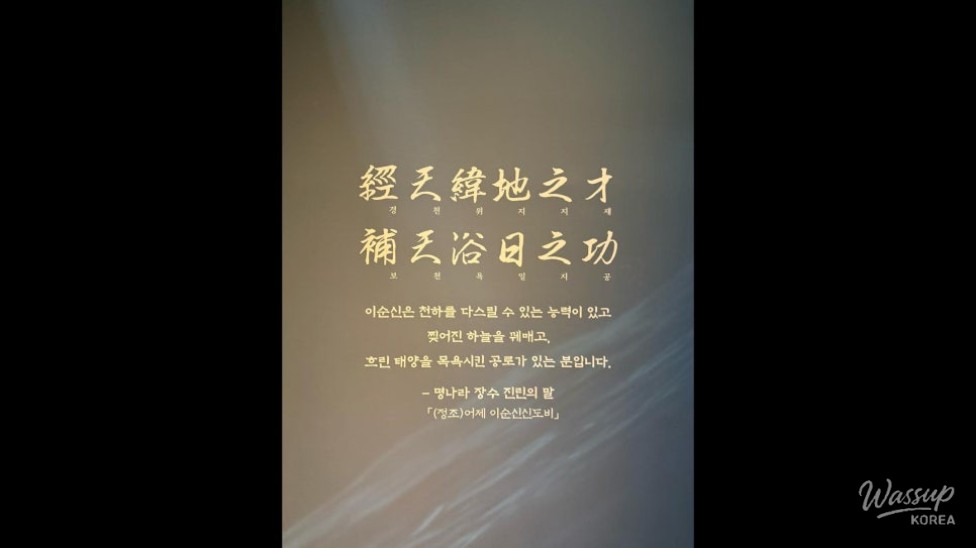
During the Imjin War, the Ming naval commander Jin Lin described Yi Sun-sin in a single phrase, one so complete that nothing could be added or removed.
A royal document from King Seonjo’s 24th year appointed Yi as Left Naval Commander of Jeolla Province, granting him independent authority to mobilize troops.
This decision allowed him to prepare weapons, ships, and supplies in advance of the invasion.
A Risky Appointment That Changed History
At the time, Yi Sun-sin was a minor local official.
With one decree, he was promoted five ranks to a third-rank naval commander.
It raises the question of what King Seonjo was thinking, and what might have happened if this appointment had never occurred.

The document even used the Ming Dynasty’s era name “Wanli,” a subtle reflection of Joseon’s fragile political position.
Two years into the war, Yi became commander of the combined naval forces of Gyeongsang, Jeolla, and Chungcheong.
This decision was met with fierce opposition from political rivals such as Won Gyun.
Politics, Betrayal, and Return
Ultimately, political infighting led to Yi Sun-sin’s dismissal.
Won Gyun replaced him and promptly destroyed the once-unbeaten navy at the Battle of Chilcheollyang.
Despite this disaster, Won Gyun was later honored, revealing the harsh reality of Joseon politics.

Another document, displayed at Hyeonchungsa, records Yi Sun-sin’s reappointment after this failure.
If placed in his position, many would have refused.
Yet Yi returned without hesitation, a difference that separates true heroes from ordinary men.
Those Who Protected the Admiral
Officials such as Yi Won-ik and Jeong Tak risked their lives to submit petitions opposing Yi’s execution.
Without their courage, Yi Sun-sin may never have returned to command.
Because of such people, history took a different path.

The Sword and the Turtle Ship
Yi Sun-sin’s long sword leaves a powerful impression.
One inscription reads, “With this three-foot sword, I swear to heaven; may mountains and rivers tremble.”
Another declares, “With one strike, I sweep away blood-stained lands.”

The cross-section model of the turtle ship reveals its ingenious design.
The lower deck served as storage and an armory, the middle level housed rowers and cannons, and the deck was covered with iron plating.
Based on naval academy research, this reconstruction is likely the closest to the original.
Beyond One Man
Also displayed were the swords of General Kwak Jae-woo and General Yi Eok-ki.
Though overshadowed by Yi Sun-sin, their roles were crucial in defending the nation.

The instigator of the war, Toyotomi Hideyoshi, died alone during the conflict.
His lineage was later destroyed, while the land he sought to conquer endured.
A Quiet Expression of Gratitude
Thanks to Yi Sun-sin, we live in safety.
Thanks to King Sejong, we live with our own language.
To both, heartfelt gratitude remains.
Photo Gallery


No comments yet.